What's the Best Roof for Hurricane Season in Charleston, SC?
RoofingBaker Home Exteriors
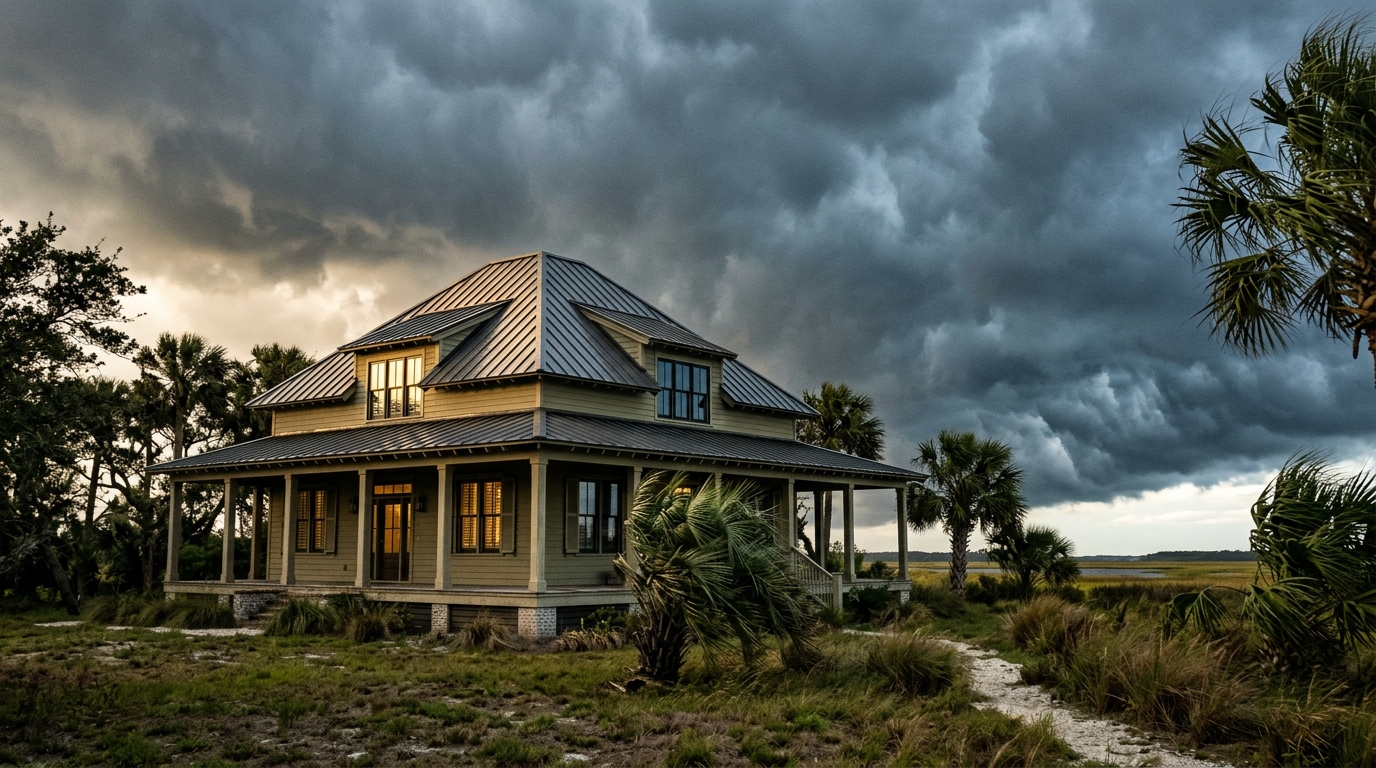
After a named storm passes through the Lowcountry, the damage is never evenly distributed. Two houses on the same street, built the same decade, and one has lost half a slope while the other looks untouched. That difference is rarely luck.
It usually comes down to four things: the shape of the roof, how it is attached to the house, what it is covered with, and how well the edges were detailed. Material choice matters, but it matters less than most people expect — and less than the parts nobody can see from the street.
This guide is about what actually survives. If you want to document the wind-resistant features your home already has and claim the insurance credit for them, that is a different exercise and we cover it in our guide to wind mitigation inspections in Charleston.
Which Roof Types Stand Up Best to Hurricanes in Charleston?
If you want the short answer: a properly installed metal roof — standing seam in particular — on a hip structure, fastened and edged to a recognized wind standard.
Standing seam performs well for a structural reason rather than a marketing one. Its fasteners are concealed inside the raised seams rather than driven through the face of the panel, so wind-driven rain has far fewer paths to exploit, and there are no exposed gaskets aging in the sun waiting to fail.
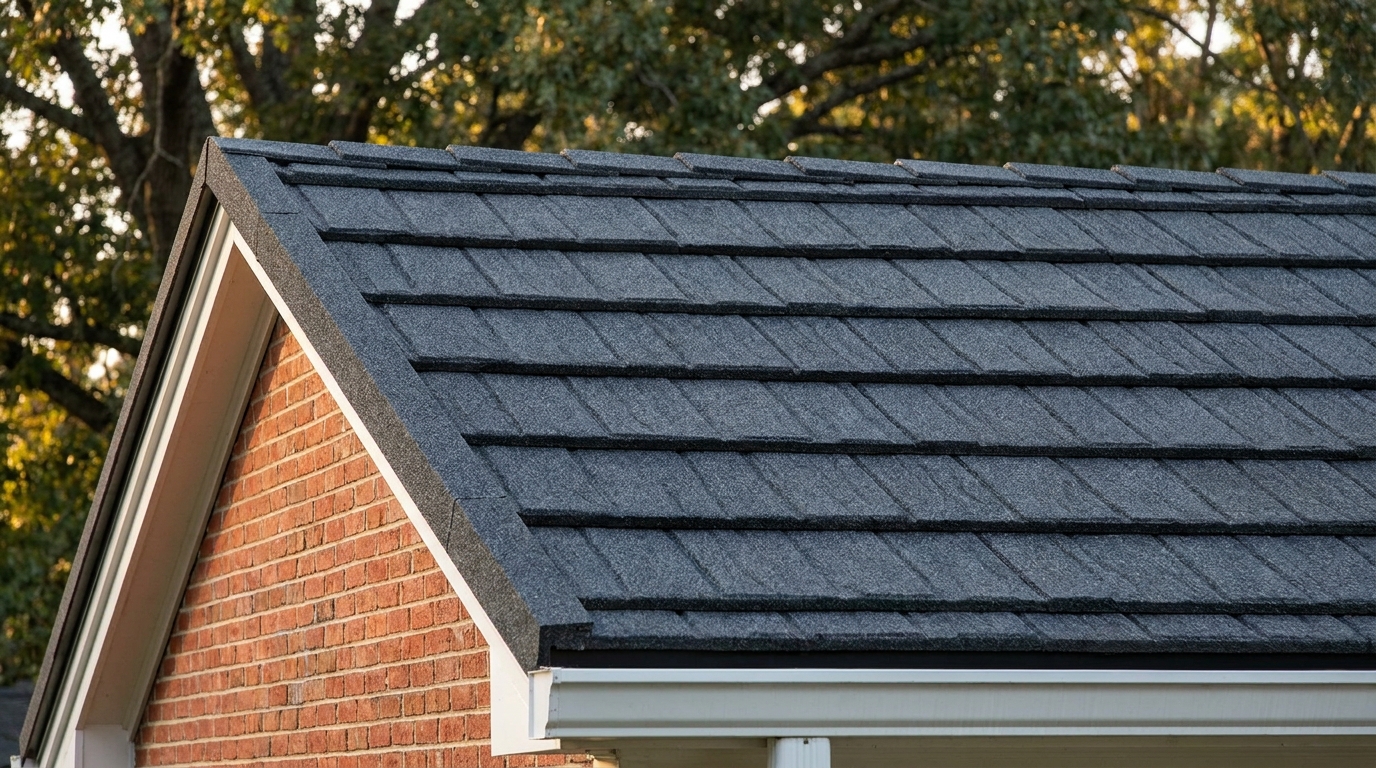
Close behind, and far more common on Charleston homes, are high-wind-rated architectural asphalt shingles. A quality architectural shingle carrying a Class H wind rating — the top class under the ASTM standard described further down — and installed with the correct nailing pattern and starter course is a genuinely capable hurricane roof. It is also a fraction of the cost of metal, which is why it remains the sensible answer for most homes here.
Worth saying plainly: the gap between a well-installed shingle roof and a poorly installed metal roof is much wider than the gap between the two materials. Installation quality outranks material choice, and we would rather you spent your money on a good install than on an upgrade badly fitted.
What Makes a Roof Hurricane-Resistant for Charleston Homes?
Hurricane damage is mostly an uplift problem, not a weight problem. Wind moving across a roof creates negative pressure above it — the same effect that lifts an aircraft wing — and the roof is pulled upward. Failures start where that suction finds an edge to get under.
That makes a hurricane-resistant roof a chain of connections, and the chain fails at its weakest link:
- The covering has to stay attached to the deck.
- The deck has to stay attached to the trusses.
- The trusses have to stay attached to the walls.
- The walls have to stay attached to the foundation.
A premium roof covering nailed to sheathing that is stapled to the trusses is a strong link bolted to a weak one. When Lowcountry roofs come off in one piece, it is almost always the deck-to-truss or roof-to-wall link that let go, not the shingles.
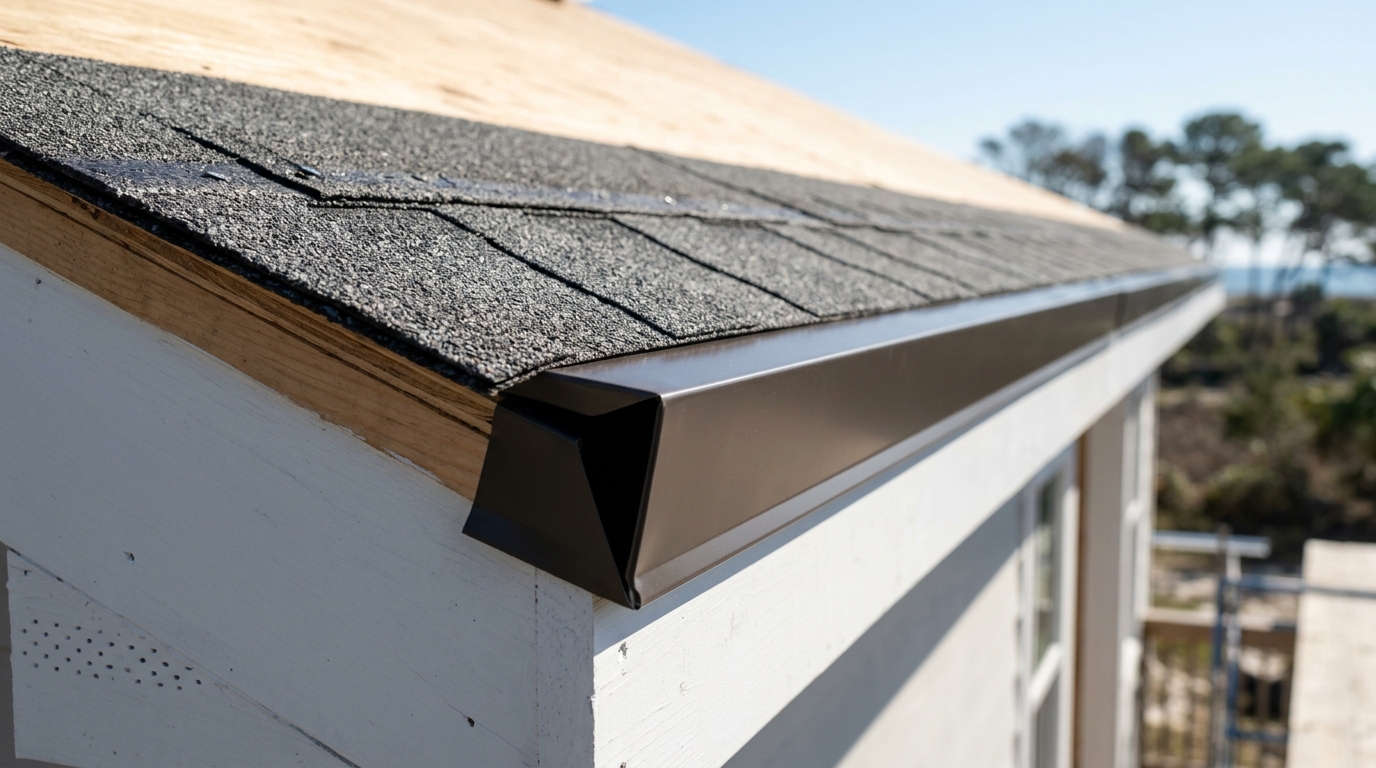
Edges and corners deserve special attention because that is where uplift pressure concentrates — several times higher at a corner than in the middle of a slope. Which is why the perimeter details, the starter course and the drip edge, matter out of all proportion to their cost.
Does Roof Shape Matter in a Hurricane? Hip vs Gable in Charleston
It matters a great deal, and it is the one factor you cannot change without major structural work.
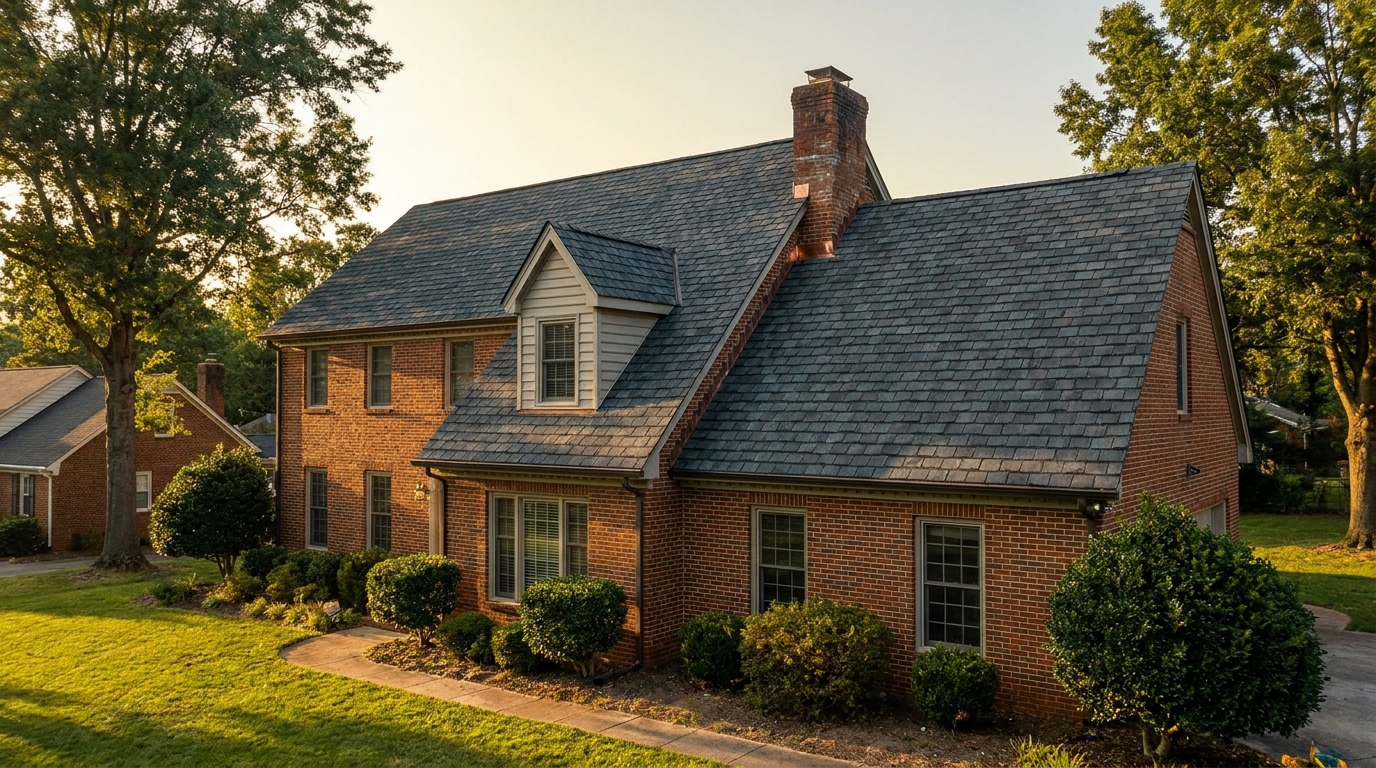
A hip roof slopes on all four sides. Wind hitting it from any direction meets an inclined plane, pressure distributes across four slopes, and there is no large flat vertical surface for the wind to push against. Hip roofs consistently outperform in high wind, and insurers credit them for exactly that reason.
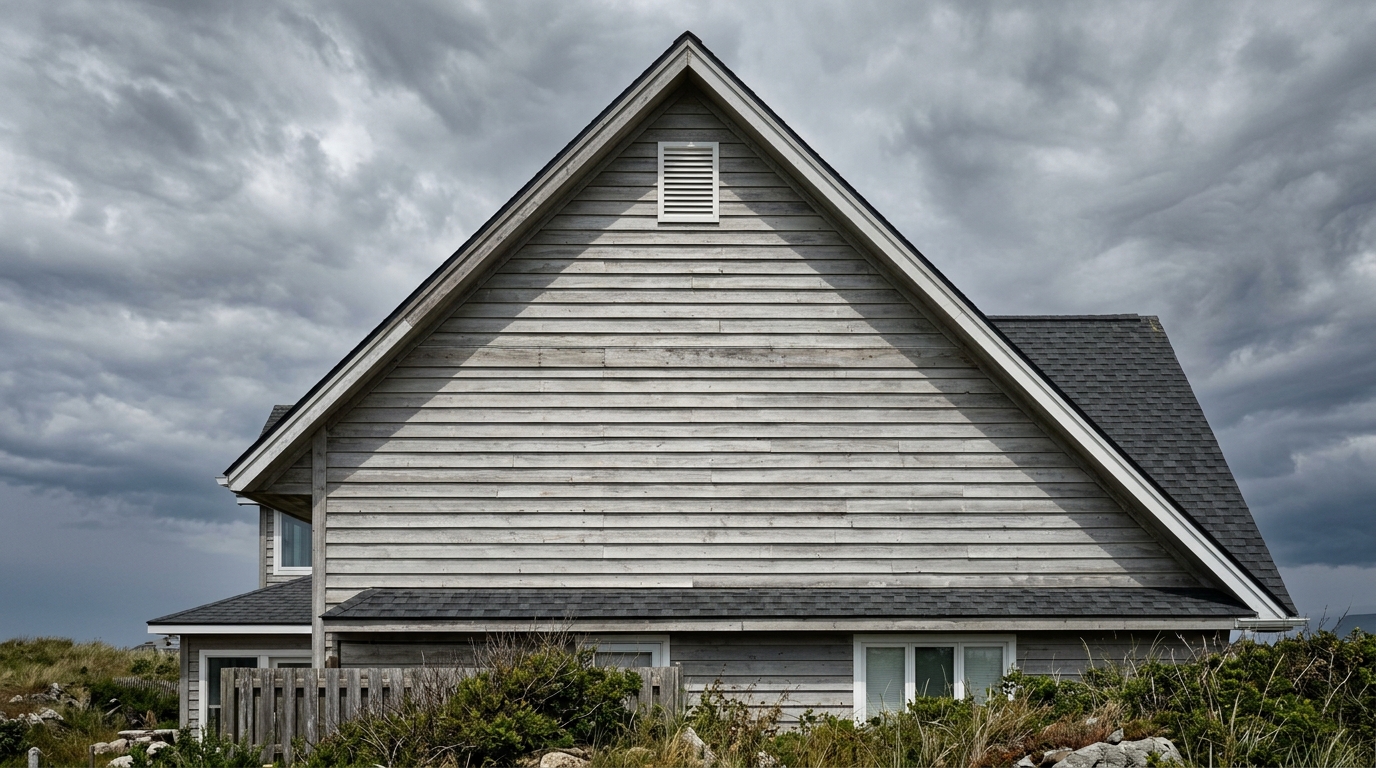
A gable roof has two slopes and two vertical triangular end walls. That gable end is effectively a sail. Wind striking it square exerts significant force on a wall that is often inadequately braced, and a common failure sequence in coastal storms starts with the gable end failing, which pressurizes the attic and pushes the roof off from underneath.
If you have a gable roof, you are not doomed and you should not re-frame your house. Gable-end bracing is a well-established retrofit that addresses the specific weakness, and it is far cheaper than a structural change. If you are building or adding on in the Lowcountry, though, hip is the better default.
How Do Metal Roofs Compare to Shingles in Charleston Hurricanes?
Both can perform. They fail differently, and that is the useful comparison.
Metal, correctly installed, resists uplift very well and does not lose individual pieces the way shingles shed tabs. Its weak points are the perimeter and penetrations: if the edge trim or the ridge detail lifts, wind gets under the panel and can peel a long run at once. Metal failures tend to be dramatic and start at an edge.
Asphalt shingles fail progressively. Wind lifts a tab, breaks the seal strip, and each lost shingle exposes the one below. That is worse for cumulative damage but better for partial survival — losing twenty shingles is a repair, while losing a panel run is not.
Two Charleston-specific notes. Salt air attacks exposed steel components, so on a metal roof the fasteners, flashing and trim must match the panel’s corrosion resistance — a detail we cover in our guide to standing seam metal roofing in Charleston. And an asphalt roof’s wind resistance depends on its seal strips being properly bonded, which means a shingle roof installed in cold weather and never heat-sealed is weaker than its rating suggests.
Which Roofing Materials Fall Short in a Charleston Hurricane?
Some materials are a poor fit for this coast, and it is worth being direct about them.
Three-tab asphalt shingles. The old flat-profile shingle, typically rated to 60 to 70 mph. That is well below what a Lowcountry hurricane delivers. If your roof is three-tab and more than a decade old, it is the single most likely thing on your house to fail in a serious storm.
Older or lightweight tile. Clay and concrete tile can be secured to perform, but mortar-set or inadequately fastened tile becomes airborne debris — and in a hurricane, debris from one roof damages the next.
Aged wood shake. Attractive, and poorly suited to a humid coastal climate. Shakes dry, curl, and lose fastener grip, and they carry a fire-rating question of their own.
Anything at the end of its service life, regardless of material. A twenty-year-old roof does not still perform to the rating it carried when new. Sealant bonds weaken, fasteners loosen, and the number on the paperwork stops describing the roof on the house.
What Wind Ratings Should Charleston Homeowners Look For in Roofing?
Ratings are the most concrete thing you can specify, so it is worth knowing what to ask for.
For asphalt shingles, look for products tested to ASTM D7158 Class H — the top class in that standard, and the one rated for the highest basic wind speeds. Class G sits below it, and Class D below that. Many architectural shingles carry Class H, and the price difference over a lesser class is usually small, which makes it one of the easiest upgrades to justify.
Be careful with the mph numbers attached to these classes, because you will see two sets and they differ by a lot. The NRCA describes Class G as having passed a Vult up to 150 mph and Class H up to 190 mph, where Vult is the ultimate design wind speed measured as a three-second gust. Older material — and plenty of contractor websites — quote roughly 120 mph and 150 mph instead, because those figures use the earlier allowable-stress convention (Vasd) for the same classes. Same shingle, different yardstick. If a quote cites an mph figure, ask which convention it is using; if it cites the class, you are on firmer ground.
For metal, look for UL 580 or UL 1897 uplift testing, and confirm the rating applies to the panel system as installed, including the clips and fastener spacing, rather than to the bare panel.
One critical caveat that catches people out: a wind rating is conditional on the installation matching the tested assembly. Fastener count, pattern, starter course, and edge detail all have to match what was tested. A Class H shingle installed with four nails instead of six is not a Class H roof. When you compare quotes, ask whether the installation follows the manufacturer’s high-wind specification — it is a different nailing pattern and it costs slightly more labor.
How Do Hurricane Straps Anchor a Charleston Roof Against High Winds?
Hurricane straps — more precisely, metal connectors — tie the roof structure to the walls so uplift cannot separate them. They are the link that turns a roof and a house into one structure.
They come in a rough hierarchy. Toe-nails are the weakest, just nails driven at an angle, and are what many older Charleston homes have. Clips are a formed metal connector fastened to both truss and wall plate. Single wraps pass over the truss and fasten on both sides. Double wraps do the same on both faces and are the strongest common option.
The performance difference between toe-nails and a proper wrap is substantial, and it is one of the largest single credits on a wind mitigation report — a genuine case of the same upgrade improving both survival and premium.
On an existing home, retrofit is done from inside the attic, and the practicality depends entirely on access. Some Charleston attics allow it straightforwardly; some older homes with finished or inaccessible attic space make it difficult. The honest answer is that it needs eyes on your specific framing before anyone can tell you what is feasible.
Should Your Next Charleston Roof Meet FORTIFIED Standards?
For a coastal Charleston home, our view is yes — if you are re-roofing anyway, the incremental cost is usually modest against the benefit.
FORTIFIED is a construction standard from the Insurance Institute for Business & Home Safety, built on two decades of full-scale wind testing. The entry tier, FORTIFIED Roof, specifies three things beyond a standard re-roof: a sealed roof deck so water stays out if the covering is lost, ring-shank nails at a defined pattern for deck attachment, and upgraded edge detailing where uplift concentrates.
Those are precisely the failure points described throughout this guide, addressed deliberately rather than incidentally. The higher FORTIFIED tiers add roof-to-wall connections and opening protection.
The financial case is real: designation is recognized by many coastal carriers, and South Carolina’s SC Safe Home grant program through the Department of Insurance exists to help coastal homeowners fund exactly this kind of retrofit. Between a grant on the front end and a wind-premium credit every year after, the math on a FORTIFIED re-roof in Charleston is better than most homeowners assume.
When Should You Replace an Aging Roof Before Hurricane Season Hits Charleston?
Timing is its own decision, separate from what to install.
Replace ahead of the season if the roof is within a few years of its expected life, if it is three-tab, if it has been repaired repeatedly, or if you can see curling, cupping, or bare patches where granules have gone. A roof in that condition will not improve by waiting, and it is the one most likely to turn a storm into an interior claim.
The scheduling reality matters too. Hurricane season runs June through November, and demand for roofing rises with it. Replacing in late winter or early spring means better crew availability, less weather disruption, and no competition with post-storm emergency work. Deciding in August that you want a new roof before the next system means joining a queue.
There is also an insurance-timing angle worth knowing: many carriers will not bind new coverage or process changes while a named storm is in the forecast cone. If a re-roof is part of an insurance plan, doing it outside that window avoids an avoidable delay.
The Bottom Line on Hurricane-Ready Roofing in Charleston
The best hurricane roof for a Charleston home is a hip structure, covered with either standing seam metal or a Class H architectural shingle, fastened with ring-shank nails at a tight pattern, tied to the walls with wraps rather than toe-nails, and detailed properly at every edge. Built to FORTIFIED, ideally.
But if you take one thing from this: the covering is the part everyone shops for and the least likely thing to decide the outcome. Roofs fail at connections and edges. A mid-priced shingle installed to a high-wind specification will outlast a premium roof fitted carelessly, every time.
If you want to know where your roof sits — what shape it is, how it is attached, and what a re-roof would actually change — our Charleston team will walk it and tell you straight. Schedule a free inspection before the season gets busy.