Is a Spanish Clay Tile Roof Worth It? What Carolina Homeowners Should Know
RoofingThomas Noel
Quick Answer
Spanish clay tile’s curved barrel profile does more than look distinctive, it channels water efficiently, resists UV and salt air, and can last 50-100+ years.
The tradeoffs are real: premium installed costs of $8 to $22 per square foot and structural requirements that not every home can meet without reinforcement. Learn more about Baker’s clay tile roofing services here.
Related Guides
- Clay Tile Overview
- Tile Roof Repair vs. Replacement
- Terracotta Roofing
- Clay Tile Cost
Spanish clay tile roofs are easy to recognize. The curved, layered profile stands out immediately, giving homes a distinctive look that’s associated with Mediterranean, coastal, and high-end custom design. That visual appeal is real, but so are the tradeoffs.
Spanish tile roofing is heavier, more expensive, and more specialized than most other materials. For some homeowners, it’s a long-term investment that adds both durability and lasting value.
For others, it may not make practical or financial sense. If you’re considering this style for your Carolina home, this guide can help you decide whether it’s worth it for your specific home, budget, and long-term plans.
What Is a Spanish Clay Tile Roof?
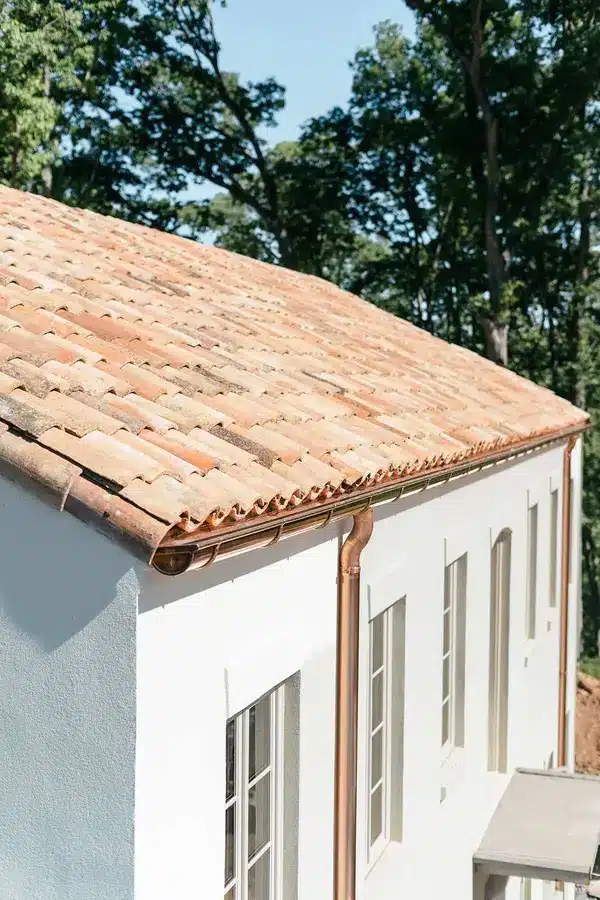
A Spanish clay tile roof is defined by its shape. Instead of flat or interlocking tiles, Spanish tile uses curved barrel tiles that create a wave-like pattern across the roof surface. That design isn’t just aesthetic. The alternating curves create natural channels that move water off the roof efficiently, which is one reason the style has been used for centuries in regions with heavy rain and strong sun.
Most Spanish tiles are made from clay, and many are terracotta, meaning they’re formed from natural, unglazed clay that develops a warm reddish-orange patina over time. Some Spanish tiles are glazed or treated for different colors and finishes, but the curved barrel profile is what defines the style regardless of how the surface is finished.
Spanish Tile vs. Other Clay Tile Styles
Spanish tile is one of several clay tile profiles. Here is how it compares to both flat and interlocking tiles.
| Feature | Spanish Tile | Flat Tile | Interlocking Tile |
|---|---|---|---|
| Look | Curved, bold | Clean, subtle | Modern/traditional hybrid |
| Drainage | Excellent | Good | Very good |
| Cost | Higher | Moderate | Moderate |
| Best For | Mediterranean homes | Modern homes | Mixed styles |
Spanish tile tends to cost more than flat or interlocking profiles because the curved layout requires more labor and more precise installation.
Why Homeowners Are Drawn to Spanish Tile Roofs
For most homeowners, the decision starts with appearance. Spanish tile creates a bold architectural statement that’s hard to create with other materials. Mediterranean, Spanish Revival, and coastal homes often look incomplete without a curved tile roof. In those cases, Spanish tile isn’t just a roofing material; it’s part of the home’s overall design language, and a flat or interlocking profile simply doesn’t deliver the same effect.
Beyond aesthetics, Spanish tile roofs offer long lifespans. Spanish clay tile roofs commonly last 50 years or more, with many installations lasting significantly longer when properly maintained. Compared to asphalt shingles, which wear down and need replacing every 20 to 30 years, a well-installed Spanish tile roof is something you can count on for half a century or more.
That lifespan shifts the conversation from short-term cost to long-term value in a way that changes how most homeowners think about the upfront price.
How Much Does a Spanish Tile Roof Cost?
According to This Old House, clay tile materials run $3 to $7 per square foot, with total installed costs ranging from $8 to $22 per square foot depending on tile profile and project complexity. Spanish tile, with its curved profile and more labor-intensive installation, tends toward the higher end of that range compared to flatter tile systems.
But the upfront cost is only part of the equation. When you spread that investment across a 50 to 100 year lifespan, the annual cost often becomes more competitive than it looks at first glance.
The question that matters most is whether you plan to stay in the home long enough to benefit from that longevity. For homeowners thinking in decades, the math usually works. For those with shorter-term plans, other materials like asphalt shingles, metal, or slate may make more practical sense.
How Spanish Tile Performs in Carolina Conditions
Spanish tile’s curved profile is a functional advantage in the Carolinas. The channels created by the barrel shape move water off the roof efficiently during heavy rain, which matters in a region that regularly sees intense summer downpours and the occasional tropical systems moving inland.
Heat performance is another real strength. Clay doesn’t degrade under UV exposure the way asphalt does, and clay tiles can reduce heat transfer by up to 70% when paired with proper attic ventilation. That’s a meaningful difference during long Carolina summers, and it can make a real impact on cooling costs over time.
Spanish tile’s weight also works in its favor for storm-resistance. Heavy tiles stay in place better than lighter materials when winds pick up, which is an advantage for both coastal homes near Charleston and inland properties that see strong summer storms.
For coastal homes specifically, Spanish tile has one more advantage worth noting: it doesn’t corrode in salt air. Unlike metal components that can degrade over time in coastal areas, clay holds up well and can be a great choice for coastal Carolina properties.
The Structural Question
Clay tile is significantly heavier than asphalt or most metal roofing systems, and Spanish tile is no exception. The first question to answer when looking into Spanish tile is whether your home can support it without structural reinforcement.
A structural evaluation is a standard part of any clay tile project, and if reinforcement is needed, that cost needs to be factored into your budget early. It’s a good idea to get that assessment before you’re committed to a material.
Pros of Spanish Clay Tile
Spanish tile can provide significant advantages when it’s the right fit for a home.
The extended lifespan is probably the biggest advantage. Very few roofing materials can match the 50 to 100 or more years of real-world performance that clay offers. The material is also non-combustible for better fire resistance, plus it offers strong resistance to UV, moisture, and pests. Spanish tile holds up in a way that asphalt simply doesn’t.
Spanish tile also creates an architectural identity that stands out. Unlike materials that fade or look worn over time, clay tile develops a patina that adds character with age. For homes where the style calls for it, that visual impact carries genuine long-term value.
Cons of Spanish Clay Tile
With any roofing material, the tradeoffs are worth being honest about before you commit.
The upfront cost is the most obvious barrier for many homes. Spanish tile sits at the premium end of roofing material costs, and the curved profile typically means higher labor costs than flatter clay tile alternatives. For homeowners who aren’t staying long enough to benefit from the lifespan, that initial price is hard to justify against materials that cost significantly less.
The added weight of clay tile also introduces structural considerations that add complexity and cost before installation even begins. And while the tiles themselves are extremely durable under normal conditions, they can crack under improper foot traffic or heavy debris impact. Repairs require experience and matching materials, which makes them typically more expensive than simple shingle replacements.
Is Spanish Clay Tile Worth It for Your Carolina Home?
Spanish tile tends to be worth it when it matches your home’s architectural style, you’re planning to stay long enough to benefit from the lifespan, and the structure can support it without adding extensive reinforcement costs. For coastal properties, homes with Mediterranean or Spanish Revival design, or any project where durability and architectural impact matter over the long term, it’s a compelling choice.
It’s harder to justify when you are working with a stricter budget, when any structural work outweighs the benefit, or when the home’s style doesn’t naturally call for a curved tile profile. In those cases, a flat clay tile, high-quality metal, or synthetic slate often delivers a better balance of performance and cost.
Spanish tile is a long-term decision that rewards the right homes. Getting a proper assessment right at the start will help you determine whether it’s a great investment or an unnecessary one.
Frequently Asked Questions About Spanish Clay Tile Roofs
Are Spanish tile roofs the same as terracotta roofs?
Not exactly. Many Spanish tile roofs are made from terracotta clay, but the terms describe different things. “Spanish tile” refers to the curved barrel profile, while “terracotta” refers to the natural unglazed clay material. A Spanish tile roof can be terracotta, but it can also be glazed or finished in other ways.
- How long does a Spanish tile roof last?***
Most last 50 years or more, with many exceeding that when properly installed and maintained. The long lifespan is one of the reasons homeowners accept the higher upfront cost. When you spread it across decades of service, the investment looks very different than it does on day one.
- Do Spanish tile roofs crack easily?***
They’re very durable under normal weather conditions. Where they’re more vulnerable is under foot traffic. Walking on a clay tile roof incorrectly can crack tiles. Any inspection or repair work should be done by someone who knows how to move across the surface without causing damage.
- How do Spanish tile roofs handle Carolina storms?***
They can handle Carolina storms well, when properly installed. The added weight helps tiles stay in place during high winds, and the barrel profile channels water efficiently during heavy rain. Proper fastening and underlayment are what make the difference in severe conditions.
- Can any home support a Spanish tile roof?***
Not without evaluation. Because clay tile is significantly heavier than most roofing materials, a structural assessment is a standard part of any tile project.
- Is a Spanish tile roof worth the cost?***
For long-term homeowners whose home style genuinely calls for it, usually yes. For shorter-term ownership or homes where the architecture doesn’t naturally fit a curved tile profile, other materials may make more practical sense. The best starting point is an honest conversation about your home, your goals, and your timeline.
A Roof That Earns Its Place Over Time
Spanish clay tile roofing offers something most materials can’t match: a combination of architectural impact, long-term durability, and a look that gets better with age. For the homes it fits, it’s not just a roofing upgrade, it’s a defining feature.
Baker Home Exteriors has been helping homeowners across North Carolina and South Carolina with tile roofs for more than 110 years. Our partnership with Ludowici means we work with one of the finest clay tile manufacturers in the country, and our team has the experience to assess whether Spanish tile is the right fit for your specific home structurally, aesthetically, and financially.
If you’re considering it, request a free inspection and we’ll give you a straight answer on whether it makes sense and what it would actually take to get it done right.
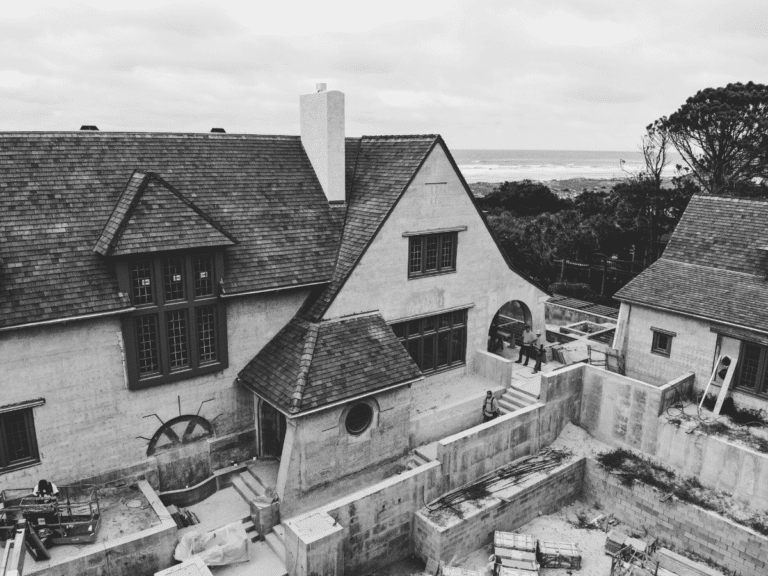
Tile Roof Repair vs. Replacement, 3 Things You Should Consider
Read More
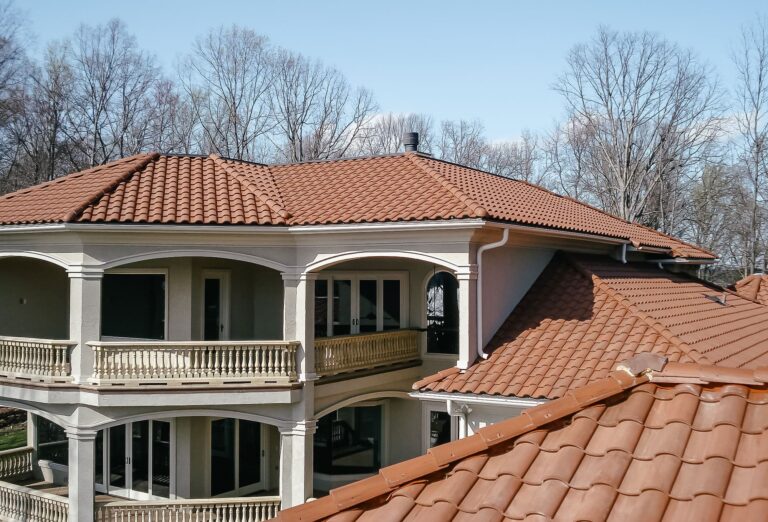
Terracotta Roof Options for Carolina Homes: What to Know Before You Build
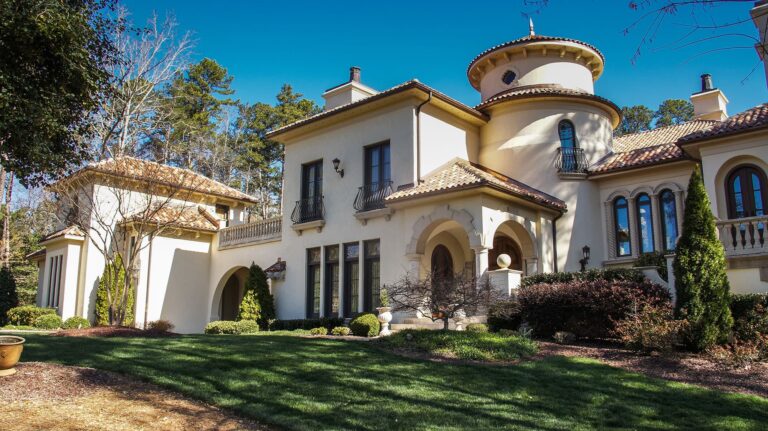
How Much Do Clay Tiles Cost for Carolina Roofs?

Written by Thomas Noel Based in Charlotte, North Carolina, Thomas Noel is a writer with more than 10 years of experience writing and editing content that helps homeowners make smart, confident decisions. He previously managed a home design site and has written about everything from eco-friendly home upgrades and smart-home products to heating and cooling solutions like HVAC systems and furnaces. He brings a practical eye and hands-on knowledge to every home improvement story he tells.