Rooftop Clay Tiles: Costs, Styles, and What Carolina Homeowners Should Know
RoofingThomas Noel
Quick Answer
Few roofing materials match clay tile’s 50-100+ year lifespan, fire resistance, and heat performance, but the investment is significant. Installed costs run $8 to $22 per square foot, and many homes require structural reinforcement to support the weight.
For the right home, it’s a once-in-a-lifetime roofing decision. Learn more about Baker’s clay tile roofing services here.
Related Guides
- Tile Roof Repair vs. Replacement
- Clay Tile Roofing Cost
- Spanish Clay Tile Guide
- Terracotta Roofing
Clay tile roofing is one of the most durable and visually distinctive roofing materials available. It’s also one of the oldest, used for centuries in regions where heat, sun exposure, and long-term durability matter.
More homeowners in North Carolina and South Carolina have started considering clay tile as a premium alternative to asphalt shingles, metal, or even slate.
But clay tile roofing isn’t just a design upgrade. It comes with specific structural requirements, higher upfront costs, and a different set of performance characteristics than most homeowners are used to.
If you’re evaluating roofing options and wondering whether clay tile makes sense for your home, this guide breaks down how it performs, what it costs, and how to think about rooftop clay tiles for Carolina homes.
What Are Rooftop Clay Tiles?
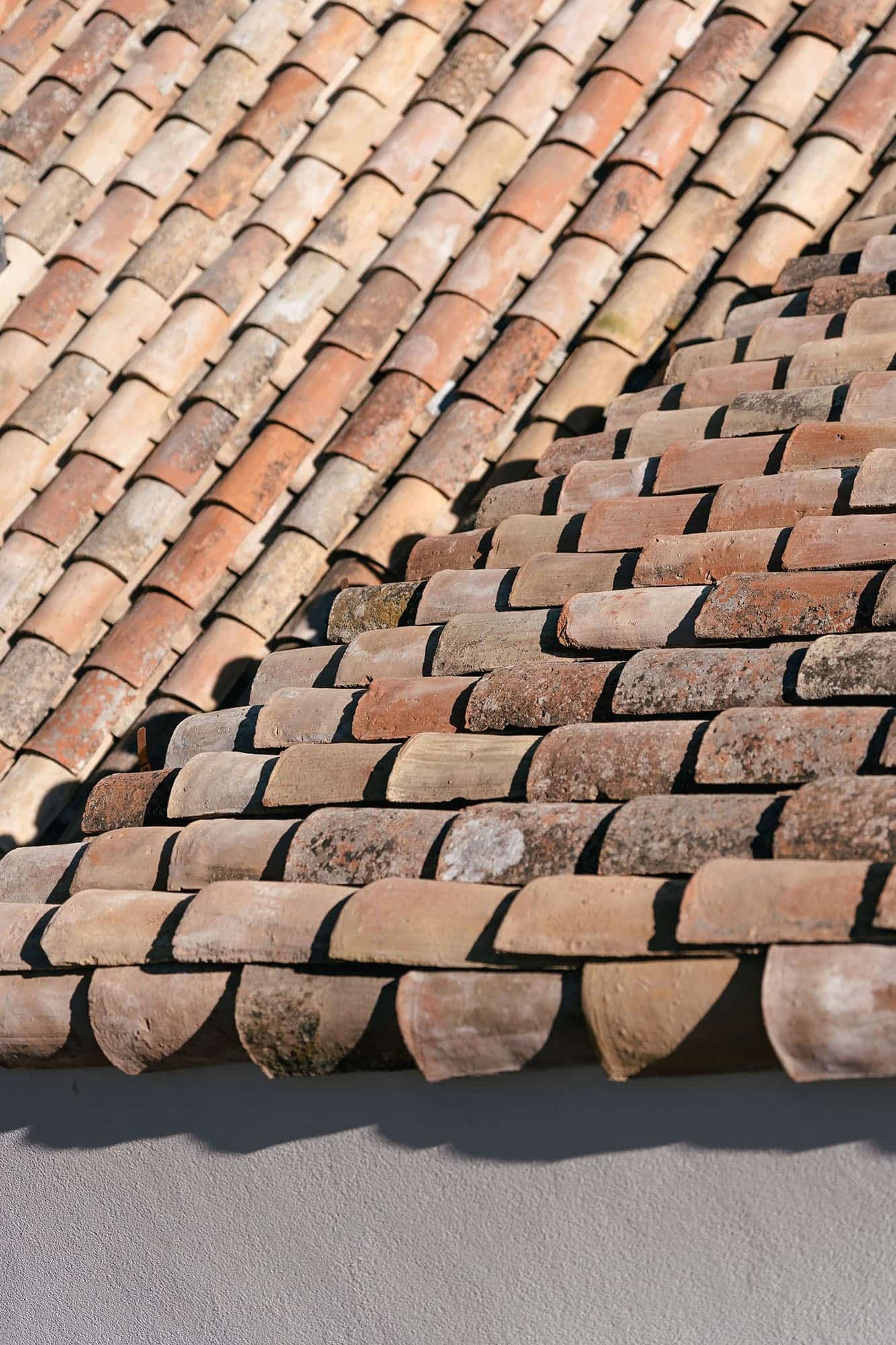
Clay tiles are roofing materials made from natural clay that is molded, dried, and then kiln-fired at high temperatures. That firing process is what gives the tiles their durability, color stability, and weather resistance. Unlike asphalt shingles, which rely on layered overlap to shed water, clay tiles create a more rigid system where each tile channels water down the roof while protecting the structure underneath.
Because clay is a natural mineral material, it doesn’t rot, attract insects, or break down under UV exposure the way wood or asphalt products do over time. Clay tile has been used in construction for hundreds of years. In some parts of the world, original clay tile roofs are still performing after a century or more of service. That durability is part of what makes clay tiles such a compelling option for homeowners thinking long-term.
Why Homeowners Choose Clay Tile Roofing
Many homeowners choose clay tile roofing based on a combination of performance goals and design preferences.
Longevity is the biggest draw. Clay tile roofs commonly last 50 to 100 years or more, which puts them in the same category as slate roofing in terms of lifespan. For homeowners who want to avoid future roof replacements, that kind of durability changes the math on the upfront cost significantly.
Clay tile also offers aesthetic benefits. It creates a look that’s genuinely hard to replicate with other materials. Whether it’s a classic barrel tile roof or a more modern flat tile profile, clay adds architectural character that stands out immediately and holds up visually as it ages.
From a performance standpoint, clay is highly resistant to heat, UV radiation, and fire. It doesn’t degrade in the sun the way asphalt does, and it holds its color over time without fading. Baker’s clay tile partner, Ludowici, hand-shapes and hand-glazes each tile from clay sourced on-site. This means the color and character of the tile are built in from the start, not applied as a surface coating.
All of that said, those benefits come with real tradeoffs, especially when it comes to cost and structural requirements.
Clay Tile Styles and Design Options
One of the reasons clay tile appeals to so many homeowners is the variety of styles available. These aren’t just cosmetic differences. They also affect how the roof performs and how well it fits your home’s architecture.
Spanish or Mission (Barrel Tile)
This is one of the most recognizable clay tile styles. The tiles have a curved, half-cylinder shape that creates a wave-like pattern across the roof. That curved profile isn’t just for looks, it channels water efficiently down the roof, making it well-suited for areas that see heavy rain. It’s commonly associated with Mediterranean and Spanish Colonial architecture but shows up on coastal and high-end homes throughout the Southeast as well.
Flat Clay Tiles
Flat tiles offer a more modern, streamlined appearance. Instead of the curved barrel profile, these lie closer to the roof surface and create a cleaner, more uniform look. They rely on proper installation and underlayment to manage water flow, so getting the details right at installation matters even more than it does with curved styles. They’re a natural fit for contemporary homes.
Interlocking Clay Tiles
Interlocking tiles are designed with edges that fit together more tightly than traditional systems. That tighter fit improves water resistance and can enhance wind performance when installed to manufacturer specifications. For homeowners in areas that see strong storms or coastal wind exposure, this style can offer meaningful added protection.
Decorative and Specialty Tiles
Some clay tile systems include decorative shapes like scalloped or French-style tiles. These are typically used for architectural detail rather than large-scale roof coverage, but they can add a distinctive visual element when incorporated thoughtfully into the right design.
How Long Do Clay Tile Roofs Last?
Clay tile is one of the longest-lasting roofing materials available. A properly installed clay tile roof can last 50 to 100 years or more, and well-maintained systems can surpass a century of service. Baker’s partner Ludowici describes clay tile as the final roof a home will ever need, which is a claim that holds up given the material’s track record.
It’s worth separating the lifespan of the tiles from the lifespan of the full roofing system, though. The underlayment beneath the tiles, along with flashing and fasteners, will likely need attention over time even if the tiles themselves remain intact. That’s a maintenance reality worth factoring in, but it doesn’t diminish the overall value of a clay tile roof. You’re still looking at a system that far outlasts asphalt, cedar, or most metal roofing options.
What Do Rooftop Clay Tiles Cost?
Clay tile roofing is a premium investment, and the price reflects both the material and the specialized labor required to install it correctly. According to This Old House, clay tile materials typically run $3 to $7 per square foot, with total installed costs ranging from $8 to $22 per square foot depending on tile profile and project complexity. Where your project lands within that range depends on roof size, pitch, the specific style you choose, and local labor rates. Larger or more complex homes can push costs well beyond that upper figure.
Several factors influence where your project price lands. Roof size is the starting point, but complexity often has a bigger impact. A straightforward roofline costs significantly less to work on than one with multiple slopes, valleys, dormers, or a steep pitch.
Material selection matters, too. Different tile profiles and manufacturing quality come with different price points, and higher-end tiles with specialized finishes will increase costs.
Labor is a major factor as well, since clay tile installation requires more precision and time than most other roofing systems. Finally, structural considerations can significantly affect the total. This is the part of the conversation most homeowners don’t expect.
Structural Requirements: What Most Homeowners Don’t Anticipate
Clay tile is significantly heavier than most common roofing materials. That weight contributes to its durability, but it also means not every home is designed to support it.
Installing clay tile often requires a structural evaluation first. Roof framing, trusses, and support systems have to handle the additional load, and if they can’t, reinforcement is required before installation can proceed. Clay tile typically weighs between 700 and 1,000 pounds per roofing square (100 square feet). This is substantially more than asphalt or metal and why the structural evaluation step isn’t optional.
This added weight is one of the main reasons clay tile is less common in parts of the Carolinas. Many existing homes were built with lighter materials in mind, and adding clay tile isn’t always as straightforward as swapping out shingles. For homeowners considering the material, getting a professional structural assessment early in the process, before you’re committed to a specific material, is the right way to start.
How Clay Tile Performs in Carolina Climates
Clay tile is often associated with Florida, California, and the Southwest, but it performs well in the Carolinas when properly installed. The climate here actually plays to several of clay tile’s strengths.
It handles heat exceptionally well. Clay tiles can reduce heat transfer by up to 70%, which is a meaningful difference during long, hot Carolina summers. The natural air gap that forms beneath installed tiles creates a thermal buffer that keeps attic temperatures lower and helps reduce cooling costs.
On the storm performance side, clay tile systems are tested to withstand 150 mph winds and 2-inch hail. These numbers matter in a region that regularly sees strong summer storms and the occasional tropical system moving inland. Curved and interlocking tile profiles shed water efficiently, which is an advantage given the Carolinas’ annual rainfall totals.
Where performance depends most on installation is in the details: proper fastening, quality underlayment, and careful attention at flashings and roof edges. Because clay tile requires more specialized installation than standard roofing systems, working with a professional who has clay tile experience is especially important in a market where the material isn’t as commonly installed.
Pros of Clay Tile Roofing
Clay tiles can offer substantial benefits for the right home and the right homeowner.
The lifespan alone sets it apart from most alternatives. Very few roofing materials can match 50 to 100 or more years of performance, and that longevity fundamentally changes how you think about the upfront cost. Spread across its lifespan, clay tile becomes more competitive with materials that cost less initially but need replacing two or three times over the same period.
Fire resistance is another genuine advantage. Clay is non-combustible, which gives it one of the strongest fire ratings available in roofing. For homeowners in areas with elevated fire risk or strict fire codes, that matters.
The aesthetic is hard to replicate. Whether you’re drawn to the classic barrel tile look or a more contemporary flat profile, clay tile delivers architectural character that synthetic materials struggle to match. And because the color is built into the tile through glazing rather than applied as a coating, it holds up over time without fading.
Cons of Clay Tile Roofing
Clay tile isn’t the right choice for every home, and being honest about the drawbacks is part of making a smart decision.
The upfront cost is the most obvious one. Clay tile is significantly more expensive than asphalt and typically more expensive than most metal options as well. It’s a long-term investment that pays off over decades, but the initial price can be a real barrier depending on your budget and your timeline for the home.
Weight is the other major consideration. Not all homes can support clay tile without structural reinforcement, and that work adds complexity and cost to the project. This is the factor that most often rules out clay tile for existing homes that weren’t built with heavier roofing in mind.
Clay tile is also more fragile than it looks under certain conditions. It performs extremely well under normal weather, but individual tiles can crack if walked on improperly or struck by heavy debris. Repairs require care and experience. Working on a clay tile roof without knowing how to move across the surface can cause more damage than you started with. That’s another reason working with experts matters.
Maintenance and Repairs
One of clay tile’s underappreciated advantages is how little maintenance it needs. The tiles themselves don’t require treatment, coating, or periodic sealing the way wood does. There’s no granule loss, no UV degradation on the tile surface, and no risk from pests or insects.
That said, maintenance can’t be ignored entirely. Periodic inspections help catch cracked or displaced tiles before they create water intrusion problems. Gutters and drainage systems need to be kept clear so water doesn’t back up under the roof edge. And the underlayment beneath the tiles should be evaluated over time, since it won’t last as long as the tiles above it.
When repairs are needed, they require the right expertise. Individual tiles can often be replaced without disturbing the surrounding system, but doing it correctly requires knowing how to work on a clay tile roof without causing additional damage.
Is Clay Tile Right for Your Home?
Clay tile is a strong fit for homeowners who are thinking long-term and prioritizing durability and design. It makes the most sense when you plan to stay in the home long enough to justify the upfront investment, when your home’s architecture genuinely calls for it, when your structure can support the weight, or when the reinforcement cost is worth it given your long-term goals.
It’s probably not the right call if you are focused on lower up-front costs or if your home would require significant structural work that outweighs the benefit. In those cases, metal roofing or synthetic slate often delivers a better combination of durability and cost.
The most honest way to think about it: clay tile is a once-in-a-lifetime roofing decision for the homes it fits. Getting that assessment right at the start with a contractor who actually knows the material is what makes the difference between a great investment and a costly mismatch.
Frequently Asked Questions About Clay Tile Roofing
How long do clay tile roofs last?
A properly installed clay tile roof typically lasts 50 to 100 years or more. Baker’s partner Ludowici describes it as the final roof a home will need, and that’s not marketing. It’s a reflection of how the material performs when installed correctly and maintained over time.
- What does a clay tile roof cost?***
According to This Old House, clay tile roofing runs $3 to $7 per square foot for the materials with total installed costs ranging from $8 to $22 per square foot depending on tile profile and project complexity. Premium installations on larger or more complex homes can go significantly higher.
- Can my home support clay tile?***
Not always, and this is one of the first questions to answer before you go further in the process. Clay tile weighs 700 to 1,000 pounds per roofing square (100 square feet), which is substantially more than asphalt or most metal systems. A structural evaluation tells you whether reinforcement is needed and what that would add to your total project cost.
- Do clay tiles crack easily?***
They’re very durable under normal conditions, including strong wind and hail. They’re more vulnerable under foot traffic and walking on a clay tile roof incorrectly can crack tiles. Any inspection or repair work should be done by someone who knows how to move across the surface without causing damage.
- How do clay tiles perform in Carolina storms?***
Very well when properly installed. Baker’s clay tile systems are rated to handle 150 mph winds and 2-inch hail, and the curved and interlocking profiles shed water efficiently during heavy rain. Proper fastening and underlayment are what make the difference in severe weather conditions.
- Do clay tile roofs increase home value?***
They tend to, particularly on higher-end homes where the material matches the architecture and the market. The combination of longevity, curb appeal, and fire resistance makes clay tile an asset that holds its value well over time.
Clay Tile Roofing Is a Long-Term Decision
Clay tile roofing offers something most roofing materials can’t: a genuine once-in-a-lifetime solution for the homes it fits. The durability, fire resistance, thermal performance, and unique aesthetic are all real advantages. For the right homeowner, they can more than justify the investment.
Getting there takes the right material, the right installation, and the right expertise. Baker Home Exteriors has been helping Carolina homeowners make long-term roofing decisions for more than 110 years, and our partnership with Ludowici means we’re working with one of the finest clay tile manufacturers in the country. They provide hand-shaped tiles, hand-mixed glazes, and a level of craftsmanship that shows in how the roof performs and how it looks decades from now.
If you’re considering clay tile for your home, request a free inspection and we’ll give you an honest assessment of whether it’s the right fit, what your home needs to support it, and what the investment actually looks like for your specific project.
Terracotta Roof Options for Carolina Homes: What to Know Before You Build
Is a Spanish Clay Tile Roof Worth It? What Carolina Homeowners Should Know
How Much Do Clay Tiles Cost for Carolina Roofs?

Written by Thomas Noel Based in Charlotte, North Carolina, Thomas Noel is a writer with more than 10 years of experience writing and editing content that helps homeowners make smart, confident decisions. He previously managed a home design site and has written about everything from eco-friendly home upgrades and smart-home products to heating and cooling solutions like HVAC systems and furnaces. He brings a practical eye and hands-on knowledge to every home improvement story he tells.