Metal Roofing Guide: Types, Costs, and Lifespan for Carolina Homes
RoofingThomas Noel
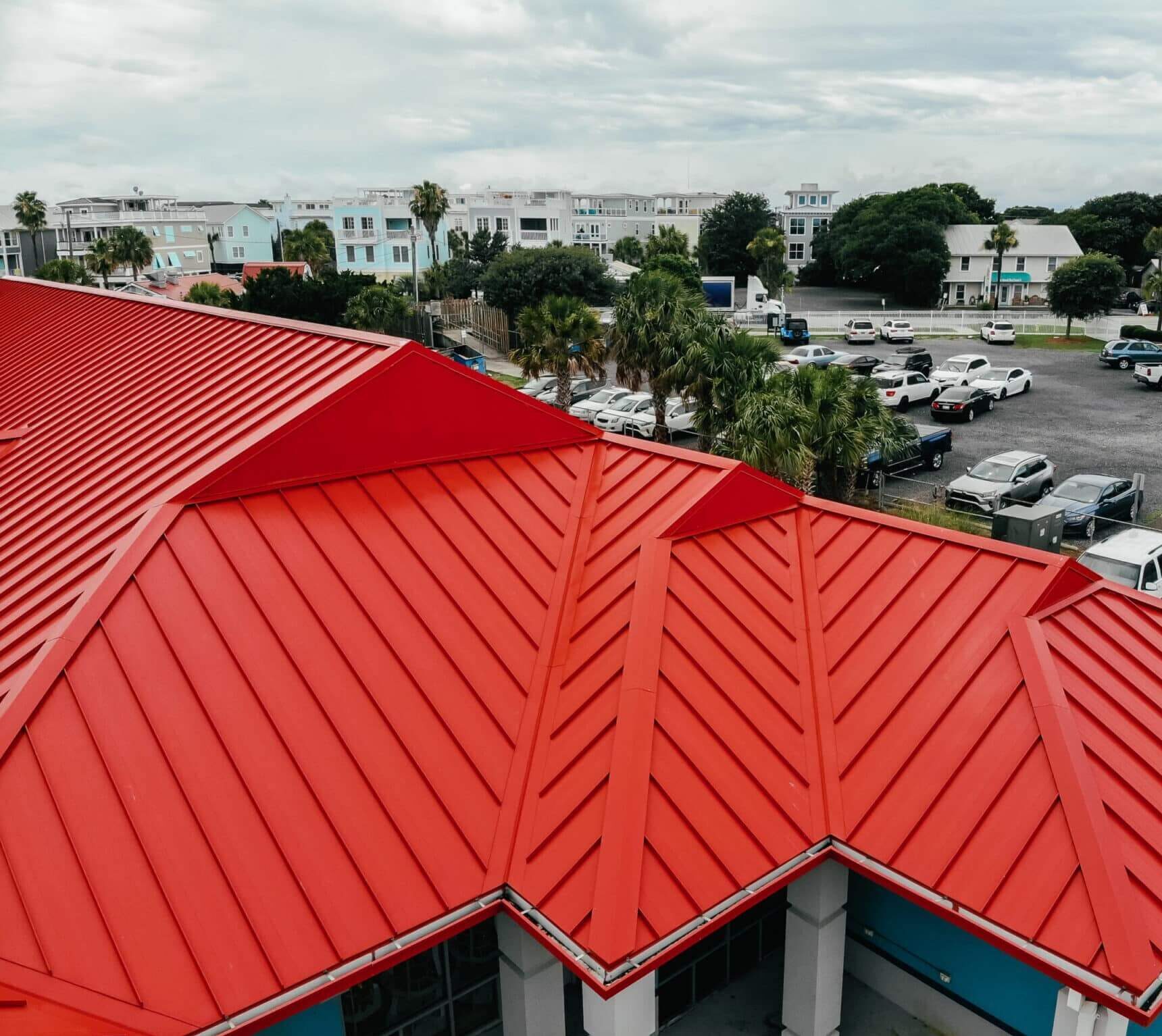
Metal roofing has become an increasingly popular option for homeowners across North Carolina and South Carolina. Once associated with barns or commercial buildings, modern metal systems are now widely used on residential homes thanks to their durability, long lifespan, and ability to handle severe weather.
For homeowners who want long-term value and energy efficiency, metal roofing offers a solid alternative to traditional asphalt shingles. But there are different types of metal to choose from. Differences in panel style, material, installation method, and maintenance can all affect how a metal roof performs and how long it lasts.
This guide explains how metal roofing works, the types available, what it costs in the Carolinas, and when it makes sense compared to other roofing materials. If you are still exploring all of your options, you can also review our Roofing Buyer’s Guide to compare other materials.
Quick Answer
Carolinians often use metal roofing because it handles heat, humidity, heavy rain, and high winds well. Depending on materials and installation quality, most metal roofs last 40-70 years and require less routine maintenance than asphalt shingle roofs.
Upfront costs are higher, but metal roofs are less likely to need replacement within a typical homeowner’s tenure. Performance depends heavily on panel type, material choice, and installation quality, particularly in coastal and storm-prone areas.
Explore Baker’s Metal Roofing Options for Your Home in the Carolinas
Fast and free estimates.
Related Guides
This guide is part of our comprehensive metal roofing series:
- Metal vs. Shingle Roofing: How to Choose Which Is Right for You
- Metal Roofing: Longevity and Effective Repairs Tips
- Is a Metal Roof Worth It? | Pros and Cons
- Top 3 Benefits of Metal Roofing
- Top 6 Ways to Use Copper Roofing (and More) for Your Home’s Exterior
- Copper Roof Patina: How Long Does It Take for Copper to Oxidize?
What Is Metal Roofing?
Residential metal roofing consists of roofing systems made from steel, aluminum, or other metals that are formed into panels or shingles and installed over a solid roof deck. Unlike asphalt shingles, which rely on overlapping layers, metal roofs use interlocking panels or sections that create a continuous protective surface.
Modern metal roofing systems are engineered to expand and contract with temperature changes, shed water efficiently, and resist wind. When properly installed, they offer consistent performance in a wide range of climates, including the heat, humidity, storms, and winter weather found throughout the Carolinas.
The Main Types of Metal Roofing
Understanding the differences between metal roofing styles is key to choosing the right one for your home.
Standing Seam Metal Roofing
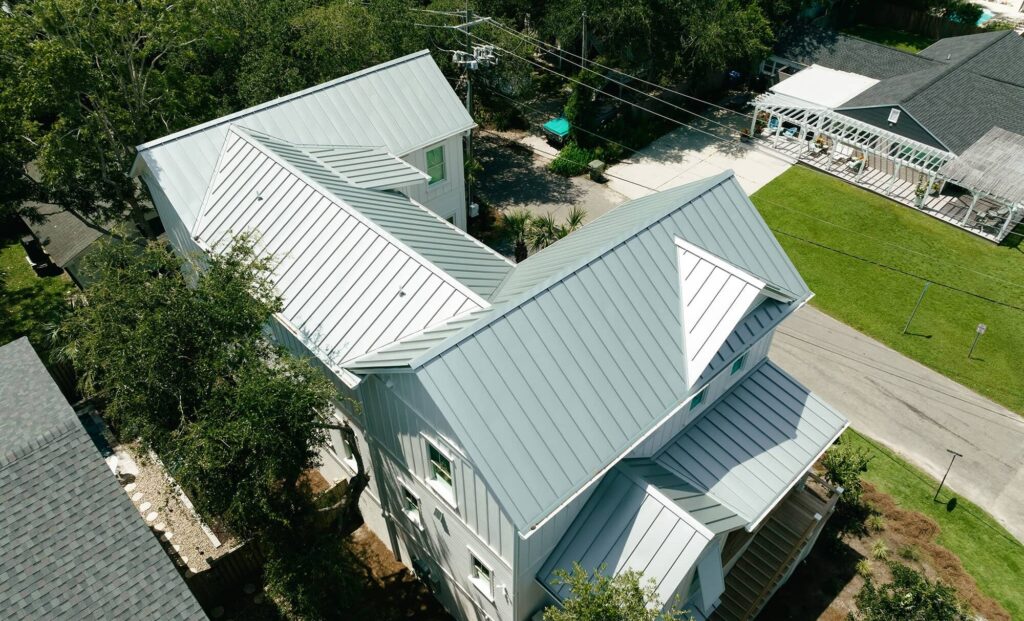
Standing seam is the most common residential metal roofing system. Panels run vertically from the ridge to the eave, with raised seams that lock together and conceal fasteners underneath.
Because the fasteners are hidden, standing seam roofs resist leaks and weather exposure. The clean lines also give homes a modern, streamlined appearance.
Standing seam metal roofing is often chosen for long-term durability and minimal maintenance, making it a popular option for homeowners planning to stay in their homes for decades. Learn more about the top three benefits of metal roofing.
Exposed Fastener Metal Panels
Exposed fastener panels, sometimes called ribbed or corrugated panels, are secured directly to the roof deck using screws with rubber washers. These systems typically cost less than standing seam roofs but require more maintenance over time.
As the roof expands and contracts, fasteners may loosen and washers can degrade, requiring periodic inspections and repairs. Exposed fastener metal roofing is commonly used on workshops, barns, and some residential homes where budget is a primary concern.
Metal Shingles and Specialty Profiles
Metal shingles are designed to mimic the look of traditional roofing materials such as slate, shake, or asphalt shingles while offering the durability of metal. These systems use smaller interlocking pieces instead of long panels.
They are often chosen by homeowners who want the appearance of classic materials but prefer the longevity and low maintenance of metal. Installation is more complex than standard panels, but the finished look blends well with many architectural styles.
Compare Metal Roofing Panel Types
| Feature | Standing Seam | Exposed Fastener | Metal Shingles |
|---|---|---|---|
| Typical Lifespan | 50-70 years | 40-50 years | 40-60 years |
| Cost Range | $$$ | $$ | $$$ |
| Leak Resistance | Excellent (hidden fasteners) | Good (requires maintenance) | Very good |
| Installation Complexity | Moderate | Easy | Complex |
| Maintenance | Minimal | Moderate (fastener checks) | Minimal |
| Appearance | Modern, clean lines | Industrial or rustic | Traditional (mimics other materials) |
| Best For | Long-term residential homes | Barns, workshops, budget projects | Historic or traditional homes |
Standing Seam:
- Typical lifespan: 50-70 years
- Cost range: $$$
- Leak resistance: Excellent (hidden fasteners)
- Installation: Moderate complexity
- Maintenance: Minimal
- Appearance: Modern, clean lines
- Best for: Long-term residential homes
Exposed Fasteners:
- Typical lifespan: 40-50 years
- Cost range: $$
- Leak resistance: Good (requires maintenance)
- Installation: Easy
- Maintenance: Moderate (fastener checks)
- Appearance: Industrial or rustic
- Best for: Barns, workshops, budget-focused projects
Metal Shingles:
- Typical lifespan: 40-60 years
- Cost range: $$$
- Leak resistance: Very good
- Installation: Complex
- Maintenance: Minimal
- Appearance: Traditional (mimics other materials)
- Best for: Historic or traditional homes
Common Metal Roofing Materials
The type of metal used in a roofing system affects durability, corrosion resistance, weight, and cost. Here are the most common options:
Steel
Steel is the most widely used metal roofing material. It’s strong, affordable, and available in multiple coatings. Galvanized steel uses a zinc coating to prevent rust, while Galvalume steel combines zinc and aluminum for enhanced corrosion protection. Steel roofing works well in most Carolina climates when properly coated and maintained.
Aluminum
Aluminum resists corrosion extremely well and never rusts, making it ideal for coastal environments where salt air accelerates corrosion on other metals. It’s lighter than steel but can dent more easily under heavy impact. Aluminum is often chosen for beach homes and properties near the ocean.
Copper
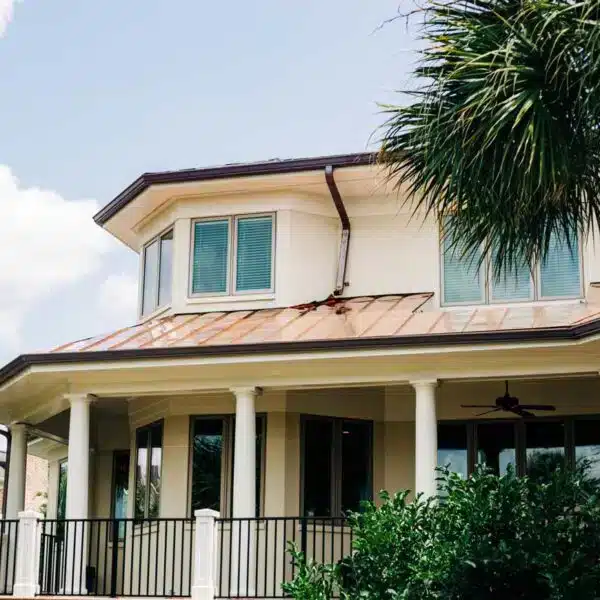
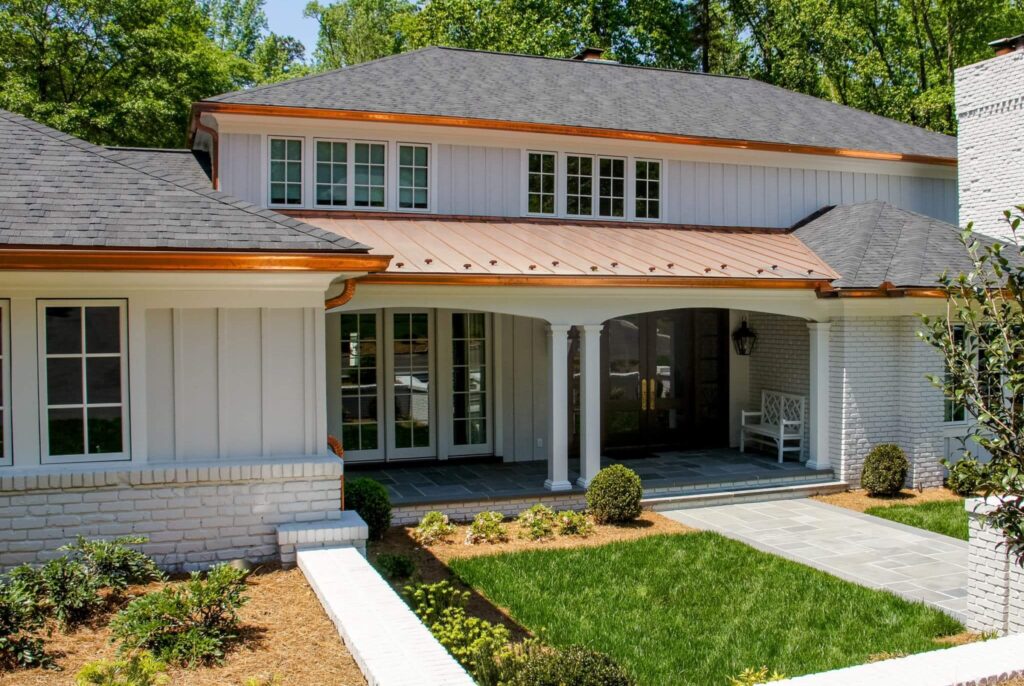
Copper is a premium material known for its exceptional longevity, often lasting 100+ years, and distinctive appearance. Over time, copper develops a natural green patina that many homeowners find appealing. Learn more about how copper roofing develops its patina. It’s typically reserved for accent roofs or historic homes due to its higher cost.
Zinc
Zinc roofing is less common but offers excellent corrosion resistance. Like copper, zinc is a premium material with a long lifespan but comes at a higher price point.
Choosing the right material depends on your location, exposure to salt air or extreme weather, budget, and design preferences.
Advantages of Metal Roofing
Long Lifespan Metal roofs commonly last 40 to 70 years, significantly longer than standard asphalt shingles. In many cases, these systems may be the last roof a homeowner ever installs. For a detailed look at metal roof longevity and care, see our guide to metal roofing longevity and effective repair tips.
Strong Storm Performance Metal roofing resists high winds, heavy rain, and flying debris better than many other materials. Interlocking panels and secure fastening systems prevent uplift during storms, making metal roofing an excellent choice for hurricane-prone areas.
Low Maintenance Metal roofs require minimal ongoing maintenance. Unlike asphalt shingles, they do not shed granules, crack, or curl with age. Occasional inspections and debris removal are typically all that’s needed.
Fire Resistance Metal roofing is non-combustible and carries a Class A fire rating, offering additional protection in wildfire-prone or rural areas where fire safety is a concern.
Energy Efficiency Reflective metal roofing can reduce heat absorption, helping keep homes cooler in summer months. This can improve indoor comfort and reduce cooling costs when paired with proper attic insulation and ventilation.
Limitations of Metal Roofing
Higher Upfront Cost Metal roofing costs more to install than asphalt shingles. While the long lifespan can offset this expense over time, the initial investment is significantly higher, typically 2-3 times the cost of asphalt shingles.
Installation Complexity Metal roofing requires specialized installation techniques and experienced contractors. Improper installation can lead to expansion issues, leaks, or fastener failure that compromises the roof’s performance.
Denting Concerns Some metal systems can dent under heavy impact, such as large hail or falling branches. Choosing thicker gauge metal or impact-rated systems reduces this risk, particularly in storm-prone areas.
Requires Specialized Repairs If damage does occur, repairs may require experienced metal roofing contractors rather than general roofers. Finding qualified repair contractors can be more challenging than for asphalt shingle repairs.
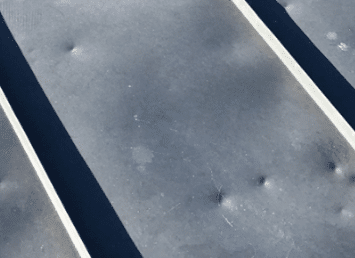
Hail dents in metal flashing
Metal Roofing vs. Asphalt Shingles
The decision between metal and asphalt shingles often comes down to longevity, budget, and long-term plans. Our comprehensive metal vs. shingle roofing comparison breaks down all the factors to help you decide.
| Feature | Metal Roofing | Asphalt Shingles |
|---|---|---|
| Lifespan | 40-70 years | 20-30 years |
| Upfront Cost | Higher | Lower |
| Maintenance | Low | Moderate |
| Wind Resistance | Excellent | Good |
| Storm Performance | Very strong | Varies by type |
| Appearance | Modern or specialty | Traditional |
| Best For | Long-term ownership | Most residential homes |
For homeowners seeking durability and minimal maintenance over decades, metal roofing offers clear advantages, while asphalt shingles remain a practical choice for affordability and familiarity.
How Long Does a Metal Roof Last in the Carolinas?
In Carolina climates, metal roofs typically last between 40 and 70 years, depending on material quality, installation, and environmental exposure.
Coastal areas face salt air and strong winds, making corrosion resistance especially important. Aluminum or properly coated steel performs best in these conditions. Inland and mountain regions may experience wider temperature swings, which increases the importance of proper panel fastening and expansion allowances.
Ventilation also plays a role. Proper attic airflow helps regulate roof temperature and prevents moisture buildup that can affect underlying materials. Installation quality is one of the biggest factors in determining whether a metal roof reaches its full lifespan.
What Does a Metal Roof Cost in the Carolinas?
Metal roofing costs more upfront than asphalt shingles but can deliver better long-term value through durability and reduced maintenance. Costs vary based on panel type, material, roof size, and installation complexity.
According to the Journal of Light Construction’s 2025 Cost vs. Value Report, metal roof replacements in the South Atlantic region can cost between $50,000 and $52,000, which is more upfront than asphalt shingles but offer long-term value through durability and reduced maintenance. A metal roof replacement can also recoup between 50-52% of their cost.
For homeowners wondering if the investment makes sense, our guide Is a Metal Roof Worth It? weighs the costs against long-term benefits. Rather than focusing solely on initial price, consider how long the roof will last and how often it may need repairs or replacement.
Calculate Your Metal Roof Cost
Want to estimate what a metal roof might cost for your home? Use our roof cost calculator to get a better sense of your project based on your home’s specific details.
Metal Roof Cost Calculator
Enter your roof size to get a quick estimate for a full metal roof replacement in NC/SC.
Roof size (square feet)
Typical range: 600-6,000 sq ft
If you only know your home’s square footage, your roof is often in the same ballpark, but not always.
Metal roofing system Standing seam (hidden fasteners) Exposed fastener panels Metal shingles
System type affects materials, labor, and detailing.
Roof complexity Simple (few valleys/penetrations) Average Complex (many valleys/dormers)
More cuts and flashing details usually cost more.
Tear-off & disposal Yes (remove old roofing) No / Not sure
Many projects include tear-off so the deck can be inspected.
Reset Copy estimate
Estimated total cost (range)
$48,000 to $54,000
Estimated cost per sq ft
$25.00
Based on a 2,000 sq ft roof, standing seam, average complexity, with tear-off.
Standing seam Average complexity Includes tear-off
Note: This is a planning estimate, not a quote. Actual pricing can change with roof pitch, access, decking repairs, material gauge, insulation/ventilation needs, and flashing details.
Metal Roofing Maintenance and Care
Metal roofs require far less maintenance than asphalt shingles, but they’re not completely maintenance-free. A few simple tasks help ensure your metal roof reaches its full lifespan:
***Inspect Fasteners and Seams ***Every 2-3 years, check that fasteners remain tight (especially on exposed fastener systems) and that panel seams haven’t separated. This is particularly important after major storms.
***Clear Debris from Valleys and Edges ***Remove leaves, branches, and other debris regularly to prevent moisture buildup or blocked drainage. Pay special attention to roof valleys where debris tends to accumulate.
***Check for Surface Damage After Storms ***After hail, high winds, or falling branches, inspect the roof for dents, scratches, or displaced panels. Small issues caught early prevent bigger problems later.
***Keep Gutters and Downspouts Clear ***Clogged gutters can cause water to back up under roof edges, even on metal roofs. Regular gutter cleaning protects the entire roofing system.
***Monitor for Rust or Corrosion ***In coastal areas or anywhere the protective coating has been scratched, watch for early signs of rust. Addressing corrosion quickly prevents it from spreading.
Routine inspections catch small issues before they become expensive repairs and protect your roof’s performance over decades.
When to Choose Metal Roofing
Metal roofing makes the most sense for homeowners who plan to stay in their homes long-term and want to avoid future roof replacements. The 40-70 year lifespan means a metal roof installed today may be the last roof your home ever needs.
It’s also a smart choice in areas prone to severe weather. The Carolinas see hurricanes, tropical storms, hail, and high winds, conditions where metal roofing’s superior storm performance provides real protection. Coastal homeowners can especially benefit from aluminum or properly coated steel that resists salt air corrosion.
Homeowners who value low ongoing maintenance may also appreciate metal roofing. Unlike asphalt shingles that require periodic inspections for cracked or missing pieces, metal roofs need minimal attention beyond clearing debris and checking fasteners every few years.
Finally, metal roofing’s energy efficiency helps in hot Carolina summers. Reflective coatings reduce heat absorption, which can lower cooling costs when combined with proper attic insulation and ventilation.
When to Choose Another Roofing Material
In some cases, another roofing option may be more practical. Homeowners with short-term ownership plans or strict budgets may prefer asphalt shingles, which offer good performance at a lower upfront cost. Historic homes or properties with HOA restrictions may require specific materials to maintain architectural consistency.
Design preferences also matter. While metal roofing works well with many styles, some homeowners prefer the traditional look of asphalt shingles or the classic appearance of slate or tile. A professional roofing evaluation can help weigh these factors based on your specific home, location, and goals.
Why Installation Quality Matters
Metal roofing systems rely on precise installation. Proper fastening patterns, underlayment selection, flashing details, and ventilation all affect long-term performance.
As a fourth-generation company with more than 111 years of experience, Baker Home Exteriors installs metal roofing systems according to manufacturer specifications and regional building codes. Our experienced installers understand how the Carolinas’ climate, from coastal humidity to mountain temperature swings, affects metal roof performance.
Even high-quality metal roofing materials will underperform if installed incorrectly. Working with experienced installers protects both your roof and your investment.
Frequently Asked Questions (FAQs) About Metal Roofing
Are metal roofs noisy in the rain?
No. When installed over solid decking with proper underlayment, metal roofs are no louder than other roofing materials. The solid decking and insulation can dampen sound effectively.
- Do metal roofs rust?***
Modern metal roofing materials are coated to resist corrosion. Aluminum never rusts, and properly coated steel performs well in both inland and coastal environments for decades.
** Do metal roofs attract lightning?**
No. Metal roofing does not increase the likelihood of a lightning strike. If lightning does strike, metal roofing can safely dissipate the electrical energy, making it one of the safer roofing materials.
** Can you walk on a metal roof?**
Yes, with proper care and safety precautions. Walking on seams or flat areas helps prevent damage. Avoid stepping directly on raised ribs or thin panels that might dent. It is usually best to let professional roofers handle any work or maintenance on a metal roof.
** Are metal roofs good for hurricanes?**
Metal roofs perform very well in high-wind conditions when properly installed. Their interlocking panels and secure fastening systems resist wind uplift better than most other roofing materials.
** Can metal roofs be installed over shingles?**
In some cases, yes, but many installations require removing old roofing to inspect the deck and ensure proper installation. Building codes and manufacturer requirements vary.
** How much does a metal roof cost compared to asphalt shingles?**
Metal roofing typically costs 2-3 times more upfront than asphalt shingles. However, because metal roofs last 40-70 years compared to 20-30 years for shingles, the long-term cost per year can be similar or even lower when you factor in avoiding a second roof replacement.
** What gauge metal roofing is best?**
For residential applications, 26-gauge or 29-gauge steel offers a good balance of durability and cost. Thicker (lower gauge numbers) metal provides better dent resistance but costs more. Your roofing contractor can recommend the right gauge based on your area’s weather patterns.
** Can I install solar panels on a metal roof?**
Yes. Metal roofs are actually ideal for solar panel installation because they last as long or longer than the panels themselves. Standing seam roofs make installation especially easy with clamp systems that don’t penetrate the roof surface.
Choose the Right Metal Roof for Your Home
Metal roofing offers long-term durability, strong storm performance, and minimal maintenance for homeowners willing to invest upfront. Understanding the different types, materials, and installation requirements helps ensure you choose the right system for your home and location.
Whether you’re building new construction, replacing an aging asphalt shingle roof, or planning ahead for storm protection, understanding metal roofing’s advantages and requirements helps you make the right choice for your home.
Baker Home Exteriors: A Century of Metal Roofing Expertise
If you’re considering metal roofing for your Carolina home, Baker Home Exteriors brings more than 111 years of experience to every metal roofing installation. Our team can help you choose the right panel type and material for your home’s needs and budget.
Request a free roofing estimate to explore whether metal roofing is the right choice for your home. Or, if you still need time to consider, feel free to check out our Google reviews. Either way, we look forward to working with you!
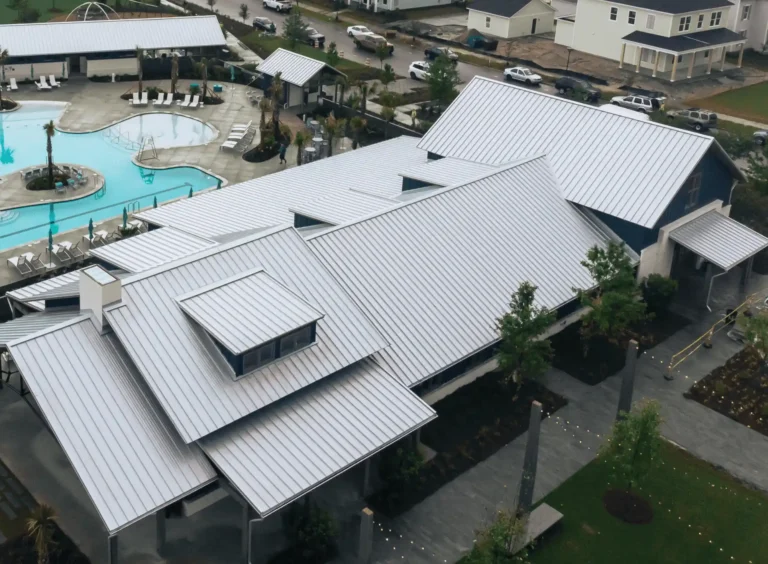
Metal Roofing: Longevity and Effective Repairs Tips
Read More
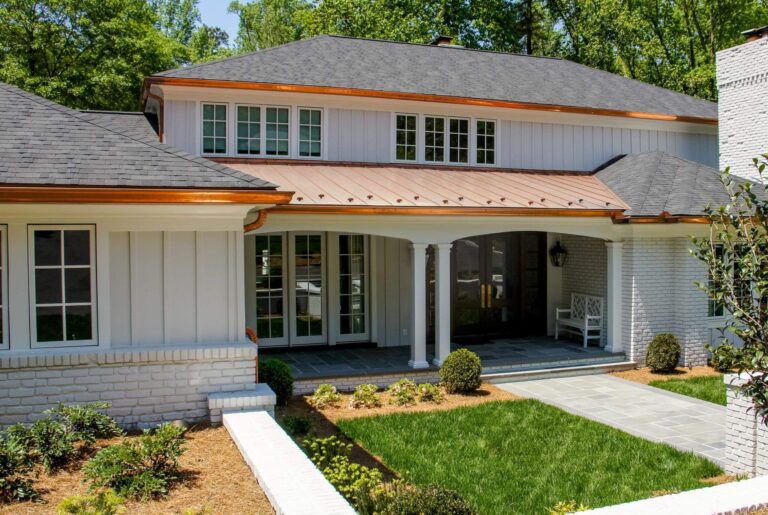
Top 6 Ways to Use Copper Roofing (and More) for Your Home’s Exterior
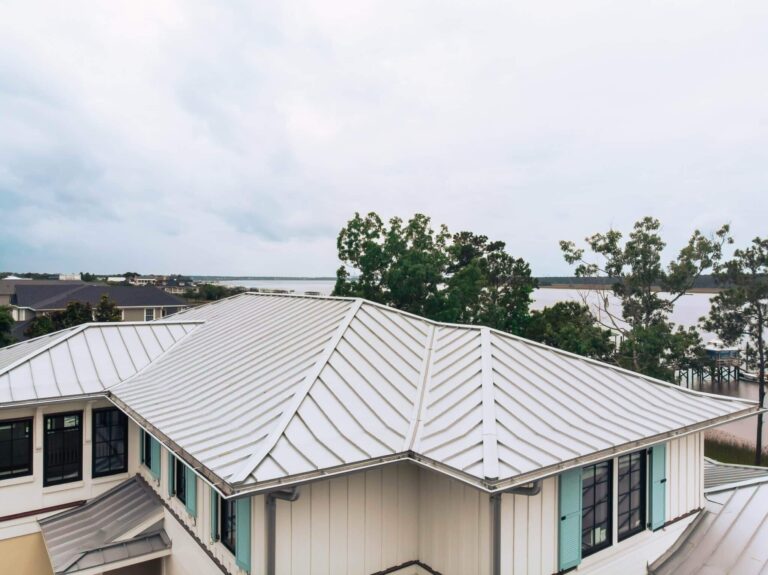
Metal vs Shingle Roofing: How to Choose Which is Right for You
Read More

Written by Thomas Noel Based in Charlotte, North Carolina, Thomas Noel is a writer with more than 10 years of experience writing and editing content that helps homeowners make smart, confident decisions. He previously managed a home design site and has written about everything from eco-friendly home upgrades and smart-home products to heating and cooling solutions like HVAC systems and furnaces. He brings a practical eye and hands-on knowledge to every home improvement story he tells.