Terracotta Roof Options for Carolina Homes: What to Know Before You Build
RoofingThomas Noel
Quick Answer
Terracotta is a natural, unglazed clay tile that lasts 50-100+ years, resists moisture and salt air, and develops a richer patina over time rather than fading.
It’s a strong fit for Carolina homes, but weight, structural requirements, and $8 to $22 per square foot installed costs make it a long-term commitment. Learn more about Baker’s clay tile roofing services here.
Related Guides
- Clay Tile Overview
- Tile Roof Repair vs. Replacement
- Clay Tile Roofing Cost
- Is Spanish Clay Tile Worth It?
Terracotta roofing has been used for centuries, and for good reason. It’s durable, naturally resistant to heat and moisture, and known for its distinctive warm, earthy appearance.
In the Carolinas, where homes face a mix of humidity, storms, and intense sun, terracotta can be both a functional and architectural upgrade.
But not every clay tile roof is terracotta, and not every home is a good fit for it. The structure of your home, your location, and your long-term plans all play a role in whether this material makes sense.
This guide explains what a terracotta roof is, how it performs in Carolina climates, what it costs, and how to decide if it’s the right choice for your home.
What Is a Terracotta Roof, And How Is It Different From Clay Tile?
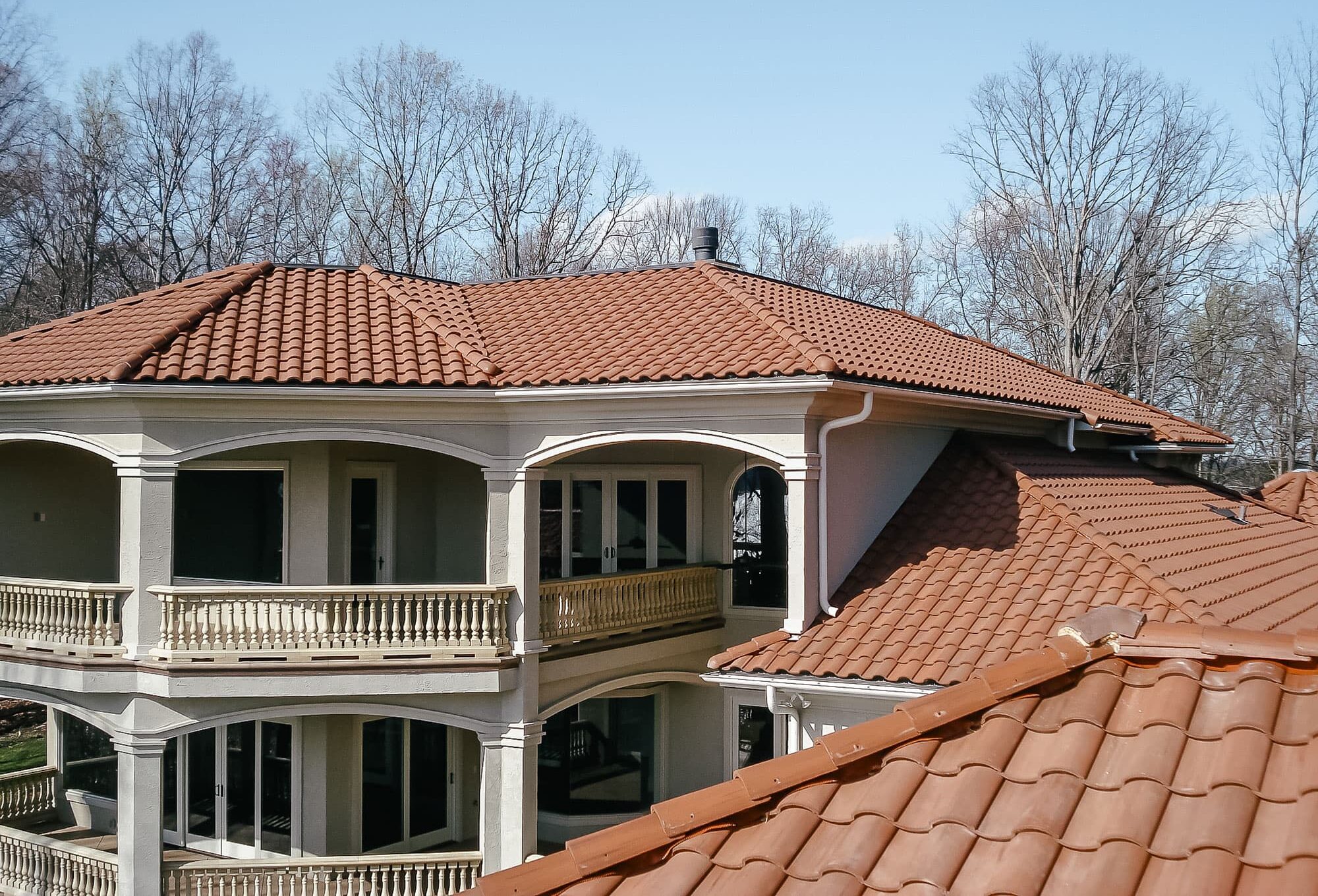
Terracotta is a specific type of clay tile made from natural, unglazed clay. The material gets its signature reddish-orange color from the iron content in the clay, which deepens and develops character over time rather than fading.
All terracotta roofing is clay tile, but not all clay tiles are terracotta.
Many modern clay tiles are glazed or treated to achieve different colors and finishes. Terracotta, by contrast, is typically left in its natural state, giving it a more organic look and a slightly more textured surface. That distinction matters not just for appearance, but for how the material ages and performs over decades.
This article focuses specifically on terracotta: what makes it unique and when it makes sense for Carolina homes.
Why Homeowners Choose Terracotta Roofing
Terracotta isn’t just chosen for performance. It’s often selected because of how it shapes the entire look and feel of a home.
Longevity is one of its biggest advantages. Properly installed terracotta roofs can last 50 to 100 years or more. Unlike asphalt shingles, which degrade and need replacing every 20 to 30 years, terracotta holds up over time with relatively minimal material breakdown. For homeowners who want a roof that lasts longer, that lifespan is a major part of the appeal.
Terracotta is also a naturally stable material. Because it’s made from fired clay rather than petroleum-based products, it doesn’t warp, rot, or absorb moisture the way other materials can. That makes it well-suited for humid environments like North Carolina and South Carolina, where moisture management is an ongoing challenge for exterior systems.
From a design standpoint, terracotta offers something many modern materials can’t replicate. The color variation, texture, and natural aging process create a lived-in look that becomes more appealing over time. Instead of fading or looking worn out, terracotta develops a patina that adds character, the opposite of how most roofing materials age.
Terracotta Roof Styles and Design Options
While the material itself is consistent, the way terracotta is formed and installed creates very different visual results depending on the profile you choose.
Barrel Tiles
Barrel tiles, sometimes called mission tiles, are the most recognizable terracotta style. Their curved, half-cylinder shape creates a rolling pattern across the roof that’s commonly associated with Mediterranean, Spanish, and coastal architecture. That curved shape also helps shed water effectively, which makes barrel tiles a smart functional choice for the Carolinas’ rainfall totals on top of being visually distinctive.
Flat Tiles
Flat terracotta tiles offer a more streamlined appearance. They keep the warm natural color of terracotta but with less visual texture, which makes them a better fit for transitional or contemporary home designs where a traditional barrel profile would feel out of place.
Interlocking Tiles
Interlocking terracotta tiles are designed to fit more tightly together than traditional systems. That tighter fit improves water resistance and wind performance, which matters in a region that regularly sees strong storms and coastal wind exposure. These are often the right choice for newer installations where performance requirements are stricter but homeowners still want the warmth of a natural terracotta look.
Color Variation and Aging
One of terracotta’s defining traits across all profiles is that no two tiles are exactly the same. Slight differences in firing temperature and clay composition create natural variation across the roof. Over time, that variation becomes more pronounced with subtle tonal shifts that most homeowners see as a major benefit rather than a drawback.
How Terracotta Performs in Carolina Climates
Terracotta is often associated with Mediterranean or Southwestern climates, but it performs well in the Carolinas for several reasons.
Heat and Sun Exposure
Heat is where it excels most. Terracotta’s natural composition allows it to absorb and release heat gradually rather than trapping it. Clay tiles can reduce heat transfer by up to 70%, which is a meaningful difference during long, hot Carolina summers. When paired with proper attic ventilation, that thermal performance can make a real difference in cooling costs over time.
Rain and Humidity
Humidity is a constant in much of the Carolinas, particularly in coastal areas and the Piedmont. Terracotta resists moisture absorption and doesn’t degrade from prolonged humidity exposure the way wood or lower-quality roofing materials can.
That said, the underlayment, flashing, and drainage systems beneath the tile do most of the waterproofing work. The tile acts as the first line of defense, but what’s underneath it determines how the system holds up long-term.
Storm and Wind Resistance
On the storm performance side, terracotta’s weight works in its favor. Heavy tiles tend to stay in place better than lighter materials when winds pick up. For coastal homes and inland properties that see strong summer storms, that natural stability is an advantage, but only when the tiles are properly fastened. Poor installation can turn a heavy tile into a liability in severe weather rather than an asset.
Coastal Performance
Coastal homes can also benefit from terracotta because it doesn’t corrode in salt air. For properties in the Charleston area, that’s a meaningful long-term advantage over metal roofing that can degrade over time in coastal environments.
What Does a Terracotta Roof Cost?
Terracotta roofing is one of the more expensive options available. This reflects both the material itself and the specialized labor required to install it correctly. According to This Old House, clay tile materials, including terracotta, typically run $3 to $7 per square foot, with total installed costs ranging from $8 to $22 per square foot depending on tile profile and project complexity. High-end custom installations, particularly on larger or more complex rooflines, can push costs well beyond that range.
Several factors influence where your project lands. Roof size is the starting point, but complexity often has a bigger impact than square footage alone. A straightforward roofline costs significantly less to work on than one with multiple slopes, valleys, dormers, or a steep pitch.
The specific tile profile you choose affects pricing too, since some styles require more precise installation than others. Labor is a major factor as well since terracotta installation requires a level of care and expertise that adds to project timelines and cost.
Structural considerations can also affect the total significantly, which is where a lot of homeowners get surprised.
Structural Requirements: What Many Homeowners Overlook
Terracotta tiles are significantly heavier than asphalt shingles or most metal roofing systems. That weight contributes to how well they stay in place during storms, but not every home is built to support them without additional work.
Before installation, a structural evaluation is typically required to assess roof framing strength and load-bearing capacity. If the existing structure isn’t up to the task, reinforcement is needed before installation can proceed. This Old House notes that clay tile roofing weighs between 700 and 1,000 pounds per roofing square (100 square feet), which is substantially more than most homeowners expect when they start the process.
This is why getting a professional assessment early, before you’re committed to a material, is so important. If reinforcement is needed, it can increase your total costs significantly.
Pros and Cons of Terracotta Roofing
Terracotta can offer clear advantages for the right home and the right homeowner, but it’s not the right fit for every project.
Advantages
The lifespan is the headline. Very few roofing materials can last 50 to 100 or more years, and that longevity can change how you think about the upfront cost. Spread across its lifespan, terracotta becomes far more competitive with materials that cost less initially but need replacing two or three times over the same period.
Fire resistance is another genuine advantage. Terracotta is non-combustible, which gives it one of the strongest fire ratings available in roofing. For homeowners in areas with elevated fire risk or strict fire codes, that matters in a practical way.
The aesthetic is also hard to replicate. Terracotta delivers a level of warmth and architectural character that synthetic materials struggle to match. And because the color is built into the material through the firing process rather than applied as a coating, it doesn’t fade the way painted or coated surfaces do. It actually becomes more appealing as it ages, not less.
Drawbacks
Terracotta isn’t the right choice for every home, and being upfront about the tradeoffs is part of making a smart decision.
The upfront cost is the most obvious barrier. Terracotta is significantly more expensive than asphalt and typically more expensive than most metal roofing options as well. For homeowners on a tighter budget or who don’t plan to stay in the home, it’s hard to justify the initial investment even when the long-term math works in its favor.
Weight is the other major consideration. Structural reinforcement may be required to install terracotta roofing, which adds complexity and cost before installation even begins. This is the factor that most often rules out terracotta for existing homes that weren’t designed with heavier roofing in mind.
Terracotta is also more fragile than it looks under certain conditions. It performs extremely well under normal weather, but individual tiles can crack if someone walks on them incorrectly or if it is struck by heavy debris. Repairs require the right expertise and matching materials, which makes finding a qualified contractor more important than a simple shingle repair.
Terracotta vs. Other Roofing Materials
Putting terracotta in context helps clarify where the value actually sits.
| Material | Lifespan | Installed Cost | Long-Term Value |
|---|---|---|---|
| Terracotta | 50-100+ years | $8-$22/sq ft | Strong for long-term owners |
| Asphalt Shingles | 20-30 years | $4-$12/sq ft | Replaced most often |
| Metal Roofing | 40-70 years | $10-$20/sq ft | Strong durability and efficiency |
| Slate | 75-150+ years | $10-$30/sq ft | Premium longevity |
Terracotta sits firmly in the premium category. It’s not meant to compete with asphalt on price. Instead, it competes on longevity, aesthetics, and long-term value for homeowners who are thinking in decades rather than years.
Is Terracotta Right for Your Home?
Terracotta makes the most sense for homeowners who are thinking long-term and want their roof to be both functional and architectural. If you plan to stay in your home for decades, your architecture genuinely calls for a warm natural material, and your structure can support the weight, terracotta is a compelling choice that pays off over time.
It’s probably not the right call if you are working with a tighter budget, if your home would need significant structural work that outweighs the benefit, or if you’re planning to sell within a few years and won’t be around long enough to see the return on a premium investment. In those cases, metal roofing or a high-quality synthetic slate roof often delivers better long-term performance for the cost and commitment involved.
Terracotta is a once-in-a-lifetime roofing decision for the right type of home, but it’s important to work with an expert to make sure you are making the right choice for your situation.
Frequently Asked Questions About Terracotta Roofing
Is terracotta the same as clay tile?
Terracotta is a specific type of clay tile made from natural, unglazed clay. Other clay tiles may be glazed or treated to achieve different colors and finishes. The distinction matters for both appearance and how the material ages over time.
- How long does a terracotta roof last?***
Most terracotta roofs last 50 to 100 years or more with proper installation and maintenance. That lifespan is one of the primary reasons homeowners choose it despite the higher upfront cost.
- Does terracotta fade over time?***
No, and this is one of its underappreciated advantages. Instead of fading, terracotta develops a natural patina that deepens and adds character over the years. The color is built into the material through the firing process, not applied as a surface coating.
- How does terracotta handle Carolina storms?***
Very well when properly installed. The weight of terracotta tiles helps them stay in place during high winds, and the material itself is resistant to moisture and doesn’t corrode in coastal salt air. Proper fastening and underlayment are what make the difference in severe weather.
- Can any home support a terracotta roof?***
Not without evaluation. Because terracotta is significantly heavier than most common roofing materials, some homes require structural reinforcement before installation. A professional assessment early in the process tells you whether that’s needed and what it would add to your total project cost.
- Is terracotta worth the cost?***
For long-term homeowners who value durability, fire resistance, and a distinctive look that improves with age, it usually is. For shorter-term ownership or tighter budgets, other materials may make more practical sense. The best way to know is to get an honest assessment of your specific home and goals.
A Once-in-a-Lifetime Roof (When It’s the Right Fit)
Terracotta roofing offers something most materials can’t: a genuine once-in-a-lifetime solution for the right homes. The durability, natural fire resistance, thermal performance, and aesthetic that gets better with age are all real advantages that can more than justify the investment.
Baker Home Exteriors has been helping homeowners across North Carolina and South Carolina choose and install the right roofing systems for more than 110 years. Our partnership with Ludowici means we’re working with one of the finest clay tile manufacturers in the country for hand-shaped tiles, natural clay sourced on-site, and a level of craftsmanship that shows in how the roof looks and performs decades from now.
If you’re considering terracotta for your home, request a free inspection and we’ll give you an honest read on whether it’s the right fit, what your home needs to support it, and what the investment actually looks like for your specific project.
Tile Roof Repair vs. Replacement, 3 Things You Should Consider
Read More
Is a Spanish Clay Tile Roof Worth It? What Carolina Homeowners Should Know
How Much Do Clay Tiles Cost for Carolina Roofs?

Written by Thomas Noel Based in Charlotte, North Carolina, Thomas Noel is a writer with more than 10 years of experience writing and editing content that helps homeowners make smart, confident decisions. He previously managed a home design site and has written about everything from eco-friendly home upgrades and smart-home products to heating and cooling solutions like HVAC systems and furnaces. He brings a practical eye and hands-on knowledge to every home improvement story he tells.