How Much Do Clay Tiles Cost for Carolina Roofs?
RoofingThomas Noel
Quick Answer
Clay tile roofing costs $8 to $22 per square foot installed, with total projects typically ranging from $8,200 to $24,600. Barrel and Spanish profiles run highest due to labor-intensive installation.
Structural reinforcement, tear-off, underlayment, and flashing are common hidden costs, budgeting a 10-15% contingency buffer is strongly recommended. Learn more about Baker’s clay tile roofing services here.
Related Guides
- Clay Tile Overview
- Tile Roof Repair vs. Replacement
- Spanish Clay Tiles
- Terracotta Roofing
Clay tile roofing is one of the most durable and visually distinctive roofing options available. It’s also one of the most expensive. If you’ve started researching clay tile roofs, you’ve probably seen a wide range of price estimates that make it hard to know what to expect.
The cost of a clay tile roof depends on more than just the tiles themselves. Labor, structural requirements, roof complexity, and repairs discovered during installation all play a role in the final price.
This guide breaks down what clay tile roofing actually costs in the Carolinas, what drives those costs, and how to budget for roof replacement costs without running into surprises halfway through your project.
What Is the Average Cost of a Clay Tile Roof?
According to This Old House, clay tile materials run $3 to $7 per square foot, with total installed costs ranging from $8 to $22 per square foot depending on tile style and project complexity.
For tile roofing generally, This Old House puts the average total project cost at $16,000, with most homeowners paying between $8,202 and $24,645 for a complete roof replacement. Larger homes, steeper pitches, and structural upgrades can push costs well beyond that range.
Those numbers reflect complete installations including removal of the existing roof, new underlayment and waterproofing layers, flashing, and labor. What you actually pay depends on the specific tile style you choose, the complexity of your roofline, and local labor rates in your part of the Carolinas.
Clay Tile Cost by Style
Not all clay tiles cost the same to install, and the style you choose has a real impact on your project total. Here is a breakdown of installed costs by tile style, which gives a useful picture of how different profiles compare.
| Tile Style | Installed Cost Per Sq Ft | Average |
|---|---|---|
| Barrel (Spanish) | $10 to $13 | $12 |
| Spanish-style | $8 to $10 | $9 |
| Mission | $9 to $11 | $10 |
| Flat | $8 to $9 | $9 |
| Interlocking | $3 to $5 | $4 |
Barrel tile tends to run highest because the curved, semicircular shape makes installation more labor-intensive. Each tile has to be placed and secured precisely, and the layout process takes longer than flat or interlocking systems.
Spanish-style tile is slightly more forgiving but still requires mortar-set installation and careful handling. Spanish tiles are particularly delicate and must be wetted before installation to ensure the mortar sets correctly.
Flat and interlocking tiles typically have a lower cost, which makes them worth considering if you want the clay tile look and performance without the full cost of a curved profile.
What Goes Into the Final Cost of Your Project
Two clay tile projects rarely cost the same, even on homes with similar square footage. Here’s what actually goes into the final costs.
Roof Size and Complexity
Roof size is the starting point when comparing costs, but complexity often matters more than square footage. A straightforward gabled roofline costs significantly less to work on than one with multiple slopes, dormers, valleys, or a steep pitch. These features add labor time, require additional safety measures, and create more transition points where precision matters.
Tile Type and Style
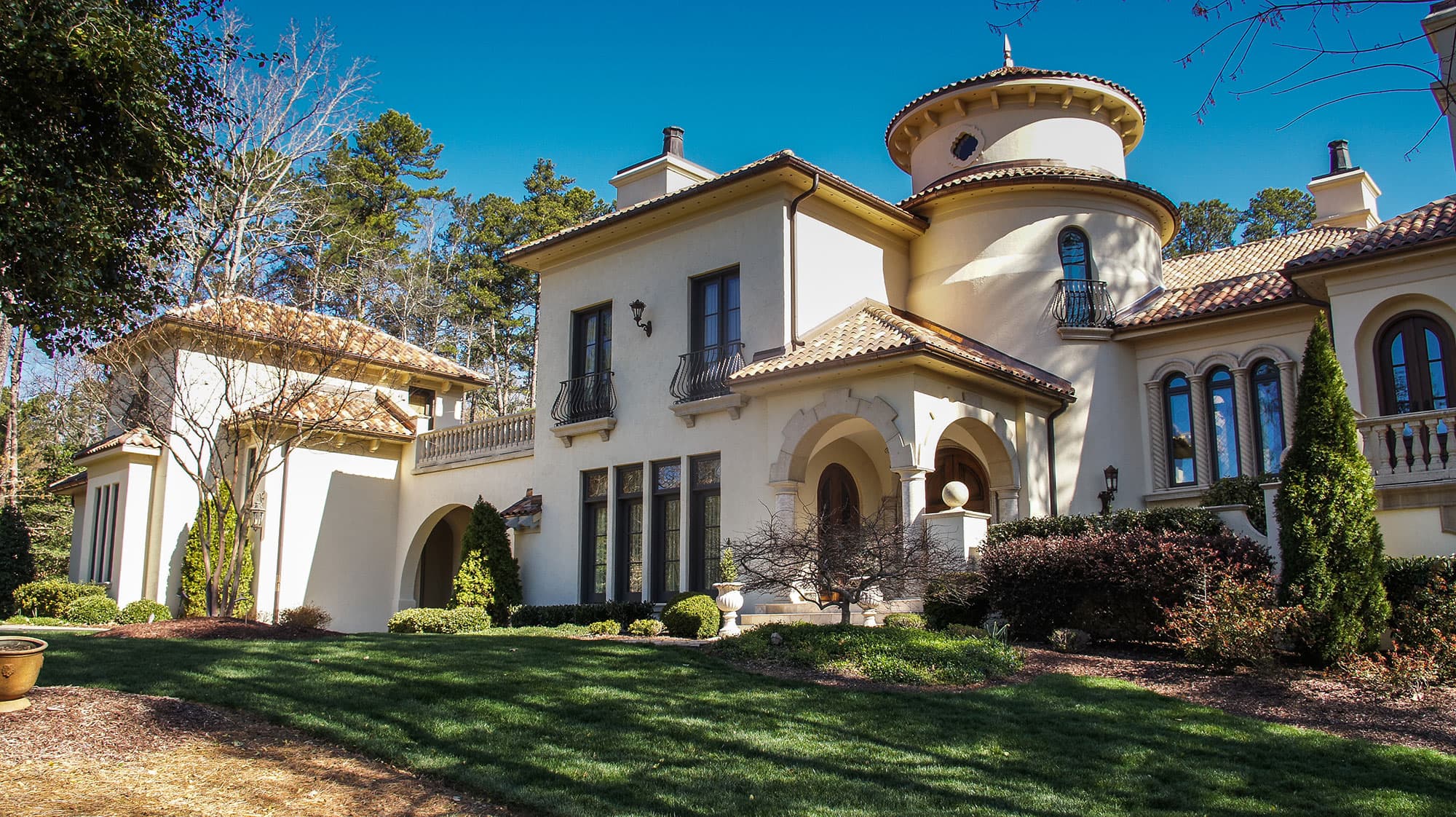
Material selection goes beyond just choosing a tile style. Different product lines and manufacturers come with different price points and specialty finishes or custom colors can add $0.50 to $5 per square foot to material costs. Baker works with Ludowici, whose tiles are hand-shaped and hand-glazed for a premium product where the quality shows in both appearance and longevity.
Labor and Contractor Expertise
Labor is one of the largest costs on any clay tile project because clay tile roofing requires specialized installation. This Old House notes that installation accounts for a significant portion of the total cost, considerably more than it does on an asphalt shingle project. In the Carolinas, the availability of experienced clay tile installers also affects pricing since fewer contractors specialize in this material.
Structural Requirements
Structural requirements are the factor that often surprises homeowners. Clay tile is significantly heavier than asphalt or most metal roofs, and homes that aren’t designed to support that weight may require reinforcement before installation can begin. The scope of that work varies widely depending on your home’s framing and age, which is why getting a structural assessment early in the process matters so much.
Hidden Costs That Are Easy to Miss
Most homeowners focus on the tile itself and underestimate the supporting work required for a proper installation. A few categories consistently catch people off guard.
Tear-Off and Roof Preparation
Tear-off of the existing roof is almost always necessary and adds $1 to $6 per square foot in labor and disposal costs. But tear-off also serves an important purpose beyond just removal. It exposes the roof deck so contractors can inspect it for damage before the new system goes on. If the decking has rot or water damage, those repairs need to happen before installation, and that cost can vary depending on what’s found.
Underlayment and Waterproofing
Underlayment and waterproofing are critical components of any roof that sometimes get treated as afterthoughts. Clay tile systems rely on underlayment for water protection. The tile channels water efficiently, but the underlayment is what keeps it out of the structure beneath. This Old House puts underlayment at $0.50 to $2 per square foot. Upgrading to higher-quality materials, which matters in the Carolinas’ humid climate, adds to that figure but pays off in long-term performance.
Flashing Replacement
Flashing replacement is another area where cutting corners shows up as leaks later. Most professional installations include new flashing around chimneys, vents, and roof penetrations rather than reusing existing material. It’s a necessary cost that sometimes isn’t clearly itemized in initial estimates.
Permits and Inspections
Permits and inspections are required for most roofing projects and vary by municipality. It’s worth confirming with your contractor whether permit costs are included in the estimate or billed separately.
Gutters and Ventilation
Many homeowners choose to upgrade their gutters or ventilation at the same time as a roof replacement. Coordinating this work upfront often saves money compared to scheduling it separately later, and it ensures the full drainage system is set up to work with the new roof.
Clay Tile vs. Other Roofing Materials
Putting clay tile in context helps clarify where it offers the most value.
| Material | Installed Cost | Lifespan | Notes |
|---|---|---|---|
| Asphalt Shingles | $4 to $8/sq ft | 20-30 years | Most affordable, replaced most often |
| Cedar Shakes | $6 to $10/sq ft | 30-50 years | Natural look, higher maintenance |
| Metal Roofing | $10 to $20/sq ft | 40-70 years | Strong long-term value |
| Clay Tile | $8 to $22/sq ft | 75-100+ years | Premium upfront, competitive over lifespan |
| Slate | $10 to $45/sq ft | 75-150+ years | Longest lifespan, highest cost |
Clay tile costs more upfront than asphalt or cedar and is in a similar range to metal roofing, but it stands out for its potential lifespan. A homeowner who installs clay tile may never replace their roof again. A homeowner who installs asphalt shingles will likely replace them two or three times over the same period, each time paying installation costs on top of materials. Spread across its lifespan, clay tile becomes more competitive than the initial price suggests.
How to Budget for a Clay Tile Roof
Planning ahead makes a real difference in how manageable the project feels and in preventing surprises from popping up mid project.
Building a contingency buffer of 10 to 15 percent into your budget is a good starting point. Even well-planned projects can uncover hidden issues once work begins, including deck damage, structural needs, or flashing that needs more attention than expected. Having that buffer in place means those discoveries don’t derail the project.
Getting multiple estimates, ideally three to five, from qualified contractors gives you a realistic picture of what your specific project should cost and makes outliers in either direction easier to spot. When comparing estimates, focus on what’s included in the scope rather than just the bottom line number. Two similar-looking quotes can include very different underlayment systems, flashing approaches, or structural evaluation steps. The line items matter more than the total.
It’s also worth thinking about the cost over time rather than just upfront. A roof that lasts 75 to 100 years costs more on day one but may require fewer repairs and no replacement during your ownership of the home. That long-term math is part of why clay tile makes sense for the right homeowner even when the initial number is higher than other materials.
Frequently Asked Questions About Clay Tile Roof Cost
How much does clay tile roofing cost per square foot?
According to This Old House, clay tile materials run $3 to $7 per square foot, with total installed costs ranging from $8 to $22 per square foot. The costs are based on tile style, roof complexity, and local labor rates. Barrel and Spanish profiles typically run toward the higher end; flat and interlocking tiles come in lower.
- Why is clay tile roofing so expensive?***
The cost comes from both the material and the labor. Clay tiles require specialized installation skills, take longer to install than most other systems, and often require structural evaluation and underlayment upgrades that aren’t necessary with lighter materials. Fewer contractors specialize in clay tile, which also affects pricing in markets where demand outpaces availability.
- Does structural reinforcement always add to the cost?***
Not always. Some homes are already built to support the weight of clay tile, particularly newer construction or homes previously roofed with slate. Others, especially older homes built for lighter materials, may require framing upgrades before installation can proceed. A structural evaluation early in the process tells you which category your home falls into.
- Does clay tile roofing increase home value?***
It tends to, particularly on higher-end homes where the material matches the architecture and the market. Clay tile is associated with premium construction and lasting durability, which can make homes more attractive to buyers and hold value well in markets where the style fits.
- Is clay tile cheaper in the long run?***
For certain homeowners, yes. The upfront cost is higher, but the lifespan means fewer replacements over time. Compared to asphalt shingles, which may need replacing two or three times over the same period, clay tile can be more cost-effective when you look at the full picture.
- Can any home support a clay tile roof?***
No, not without evaluation. Because clay tile is significantly heavier than most roofing materials, a structural assessment is a standard part of any tile project. Some homes may require structural and framing upgrades to hold up the extra weight.
Know What You’re Paying For Before You Commit
Clay tile roofing is a significant investment and it’s important to know what goes into the cost. When you understand the real cost ranges, the factors that drive pricing, and the potential for costs that don’t show up in the initial estimate, you can plan your project with confidence rather than hoping for the best.
The goal isn’t just to find the lowest price. It’s to make sure that clay tile is the right choice for your home and that you plan to stay in your home long enough to get the full value of the material.
Baker Home Exteriors has been helping homeowners across North Carolina and South Carolina plan and install high-quality roofing systems for more than 110 years. Our partnership with Ludowici means we’re working with one of the finest clay tile manufacturers in the country, and our team will give you a detailed, transparent estimate with no guesswork about what’s included.
If you’re considering a clay tile roof, request a free inspection today and we’ll evaluate your home, walk you through your options, and give you a clear picture of what the investment actually looks like for your specific project.
Tile Roof Repair vs. Replacement, 3 Things You Should Consider
Read More
Rooftop Clay Tiles: Costs, Styles, and What Carolina Homeowners Should Know
Is a Spanish Clay Tile Roof Worth It? What Carolina Homeowners Should Know

Written by Thomas Noel Based in Charlotte, North Carolina, Thomas Noel is a writer with more than 10 years of experience writing and editing content that helps homeowners make smart, confident decisions. He previously managed a home design site and has written about everything from eco-friendly home upgrades and smart-home products to heating and cooling solutions like HVAC systems and furnaces. He brings a practical eye and hands-on knowledge to every home improvement story he tells.