The Role of Ventilation in Roof Longevity
RoofingBaker Home Exteriors
How long does a roof last? That’s a common question among homeowners, and its answer depends on a wide variety of factors, from construction quality to climate to even the wildlife around a home. However, when discussing roof lifespan, there’s one easily-overlooked factor that is crucial to maintaining a strong and healthy roof as the years pass: ventilation. Proper ventilation is not just a nice-to-have feature. By regulating temperature, limiting moisture, and extending your roof’s warranty, it allows your roof to survive and thrive for years, or even decades, longer than it otherwise would.
Understanding Roof Ventilation
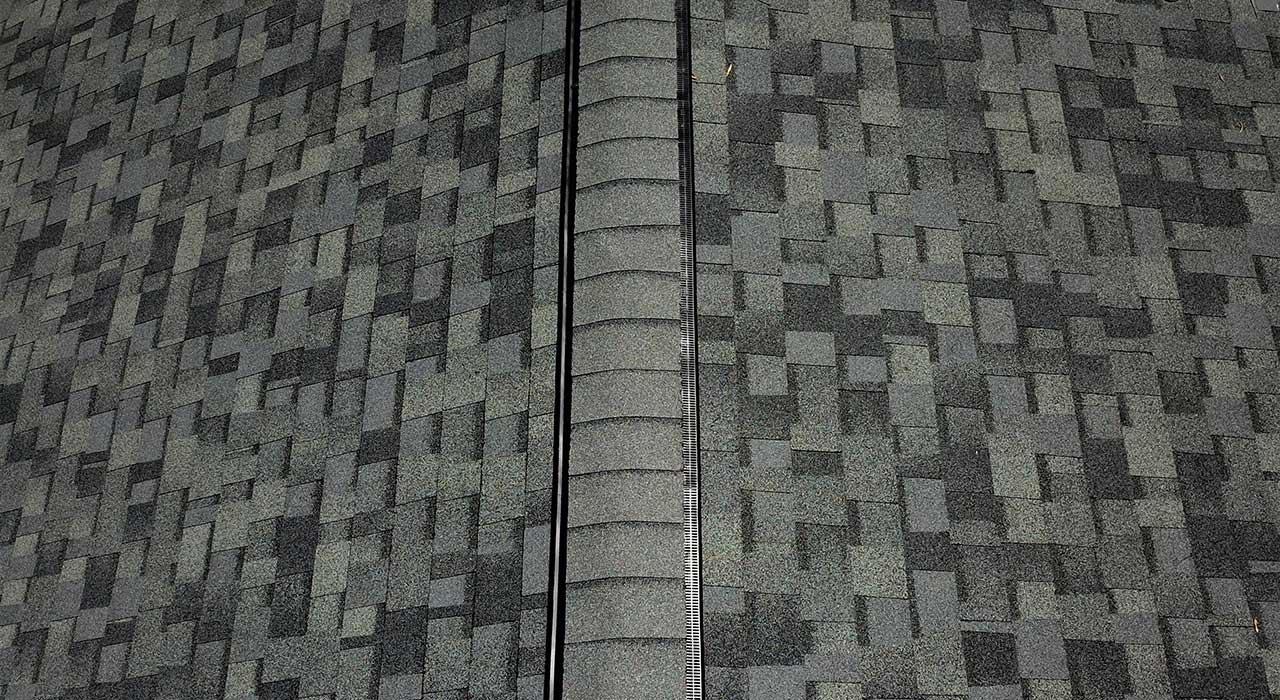
One question that might be on your mind if you’re new to home improvement is what exactly roof ventilation is. Essentially, it involves the installation of intake and exhaust vents to allow a continuous flow of air in and out of your attic space. This air circulation helps regulate temperature and moisture levels, creating a stable and healthy environment for your roof.
Temperature Regulation
One of the most important jobs of roof ventilation is controlling extreme temperatures. Without proper ventilation, your attic can become hot and stuffy during the summer months, causing an excessive heat buildup that can have serious detrimental effects on your roof. For instance, high temperatures can cause roofing materials to deteriorate at a faster rate. Asphalt shingles, for example, can become brittle and lose their protective granules, making them more susceptible to damage from hail or other inclement weather. This effect is similar among many other types of shingles, wearing them down at a rapid rate and making it far more likely that just one bad storm will damage your roof. Excessive heat can also lead to the premature aging of your roofing structure, reducing its overall lifespan.
On the flip side, during the winter, poor ventilation can lead to the formation of ice dams on your roof. Ice dams occur when warm air from your living spaces rises into the attic, causing the underside of the roof to warm up. This melts the snow on the roof’s surface, which then refreezes along the eaves (the sections of the roof that extend beyond the exterior siding). The resulting ridge-like barrier of ice on the edges of your roof blocks melting snow from draining off, leaving it with no place to go but down. Ice dams can cause meltwater to loosen your shingles and seep into your house, causing serious damage to both your roof and your home’s interior.
Proper ventilation prevents all of this by keeping air flowing in and out of your home, allowing temperatures to stabilize and preventing your roof from sitting at one extreme long enough to cause damage.
Moisture Management
Apart from temperature control, proper roof ventilation is crucial for managing moisture levels in your attic. When warm, moist air from your living spaces rises into your attic, it condenses along the cold surfaces present there, forming what is essentially indoor dew. Over time, this condensation can lead to mold growth, rotting of wood structures, and damage to insulation, all of which leave your roof more vulnerable than ever to debris or inclement weather.
With adequate ventilation, moist air is expelled from the attic, preventing condensation issues. Good airflow also helps ensure that if any moisture does find its way into your attic, perhaps due to a roof leak or similar issues, it can be effectively dried out. This prevents long-term water damage to your roof’s supporting structures, keeping them strong and stable as the years pass.
Extending Roof Warranty Validity
Did you know? Many roofing material manufacturers offer warranties that cover defects and premature deterioration. However, these warranties often come with specific requirements, such as proper ventilation, to demonstrate that wear-and-tear is the manufacturer’s fault and not the result of improper installation or maintenance.
Because of that, a strong ventilation system can often extend your roof warranty’s validity, keeping you from paying out of pocket for repairs or replacements if your roof begins deteriorating faster than usual. While this doesn’t outright expand your roof’s lifespan, it has the same effect on your budget, allowing you to spend your money on what matters rather than shelling it out for repairs that better ventilation could have prevented.
Conclusion
It’s hard to overstate the role of ventilation in preserving your roof’s longevity. From temperature and moisture control to financial savings, ventilation is crucial to keeping your roof strong and durable as the years pass. Ventilation is not a luxury. It’s a must-have investment in your home’s future.
Still have questions? We have been the trusted name in roofing throughout the Southeast for 111 years. Don’t hesitate to reach out to our team to talk through your options and make sure you’re getting the roof you deserve.