Is Roof Rejuvenation Worth It on a Greensboro Shingle Roof?
RoofingBaker Home Exteriors
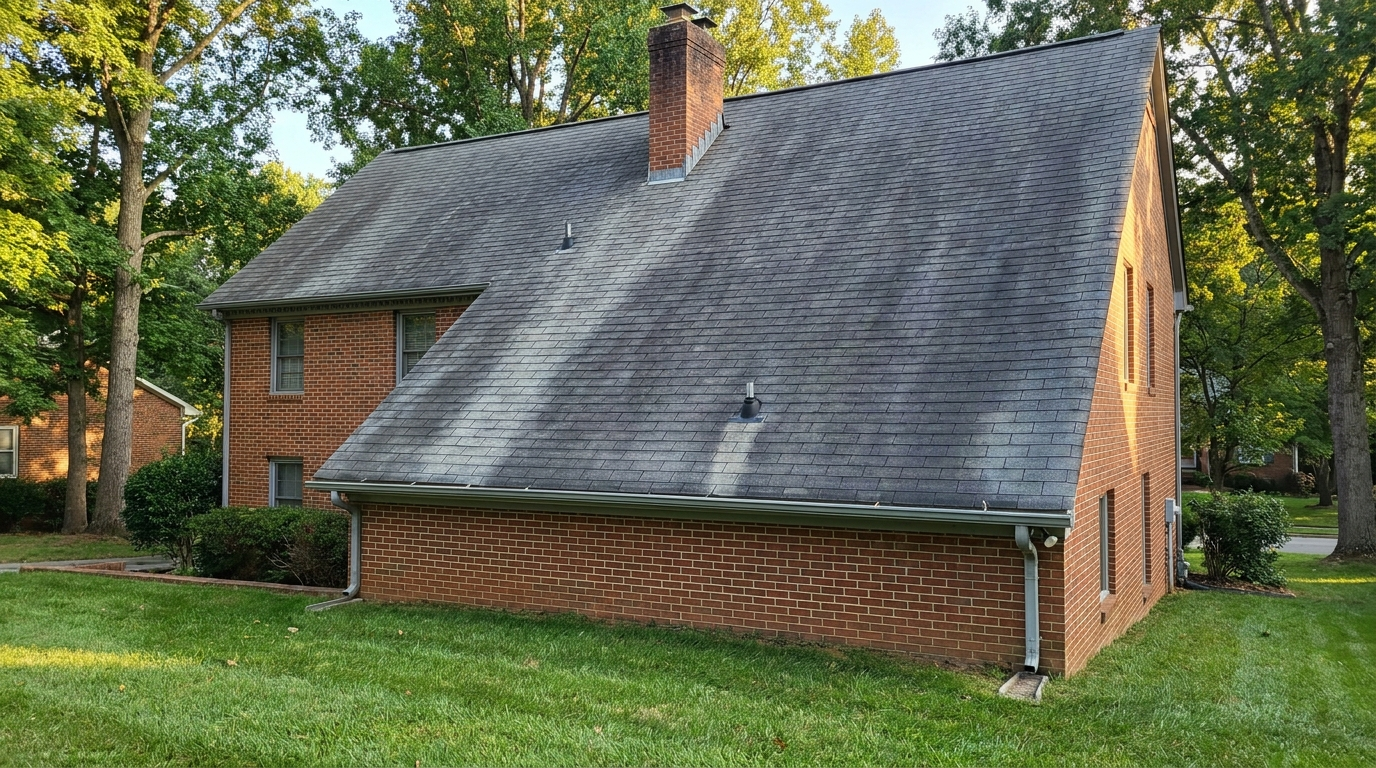
If your Greensboro home has an aging shingle roof, you may have heard two very different answers about roof rejuvenation. Treatment sellers say a spray can put years back into tired shingles for a fraction of what a new roof costs. A number of roofers say the money is better spent elsewhere. A straight answer can be hard to come by: one homeowner on r/Roofing described hearing from a roofing company that their roof was "near the end of its life," then being offered rejuvenation by the same company, and finding that the only answers online came from companies that do the work.
We think the useful answer sits between those camps, and it starts with the condition of your roof rather than a brochure. Below, we cover what a treatment can and can't do for a Greensboro roof, what it costs, how it affects your shingle warranty, and what a roof inspection should confirm before you pay for one. Every cost figure below comes from a treatment seller and is labeled with its source. They are not Baker prices.
The short version: on shingles that are still intact and not leaking, a treatment may, in select cases, help a roof reach the life it was expected to have. But the documented evidence for added life is limited, the shingle makers' own trade association advises against these products, and a treatment doesn't repair a leak or restore granules that are already gone. When the problem is a leak, the money does more as a repair.
What Are Greensboro Homeowners Paying For in a Roof Rejuvenation Treatment?
Roof rejuvenation is a liquid treatment, usually sprayed on, that is sold to restore flexibility to asphalt shingles that have been on a roof for years. The pitch starts from a point that sellers and skeptics both accept: sun dries the oils out of asphalt shingles over time, and dry shingles turn brittle, crack and shed granules.
What the treatment itself promises is narrower than that pitch. The National Roof Certification and Inspection Association (NRCIA), whose inspectors don't sell rejuvenation products or roofing services, says rejuvenation warranties usually last five years and focus only on shingle flexibility, not on preventing leaks. So what you're buying is a flexibility warranty, not a leak warranty, and the treatment doesn't add new granules.
A Greensboro quote may also cover more than the spray. If it includes repair work, such as resealing flashing, fastening loose shingles or replacing a pipe boot, it's worth having those items priced on their own lines. The repairs are the part of the job aimed at the places water gets in, and seeing them separately tells you what the treatment alone costs.
Does Rejuvenation Deliver Enough Extra Roof Life to Be Worth It in Greensboro?
Sellers advertise years of added life; the question is what stands behind them. The Asphalt Roofing Manufacturers Association (ARMA), in its guidance on coatings and rejuvenators, says there is "limited available documentation" showing whether these products deliver the benefits claimed for them, and it names longer roof life among those claims. NRCIA is more open to them but still measured: in select cases, it says, a treatment may help a roof keep functioning until its expected lifespan is met. That describes a roof reaching the life it was expected to have, not one running well past it.
How much life a Greensboro roof has left depends on the shingle, the installation, the attic ventilation and the weather it has taken. Our guide to how long roof shingles last in the Carolinas walks through those factors. What a treatment can't change is damage that's already done. Roof Rejuvenate USA, which sells its treatment through dealers, says in its own FAQ that the product is designed for roofs "still in serviceable condition" and is not meant for roofs with major leaks, severe curling, missing shingles, structural damage or advanced deterioration.
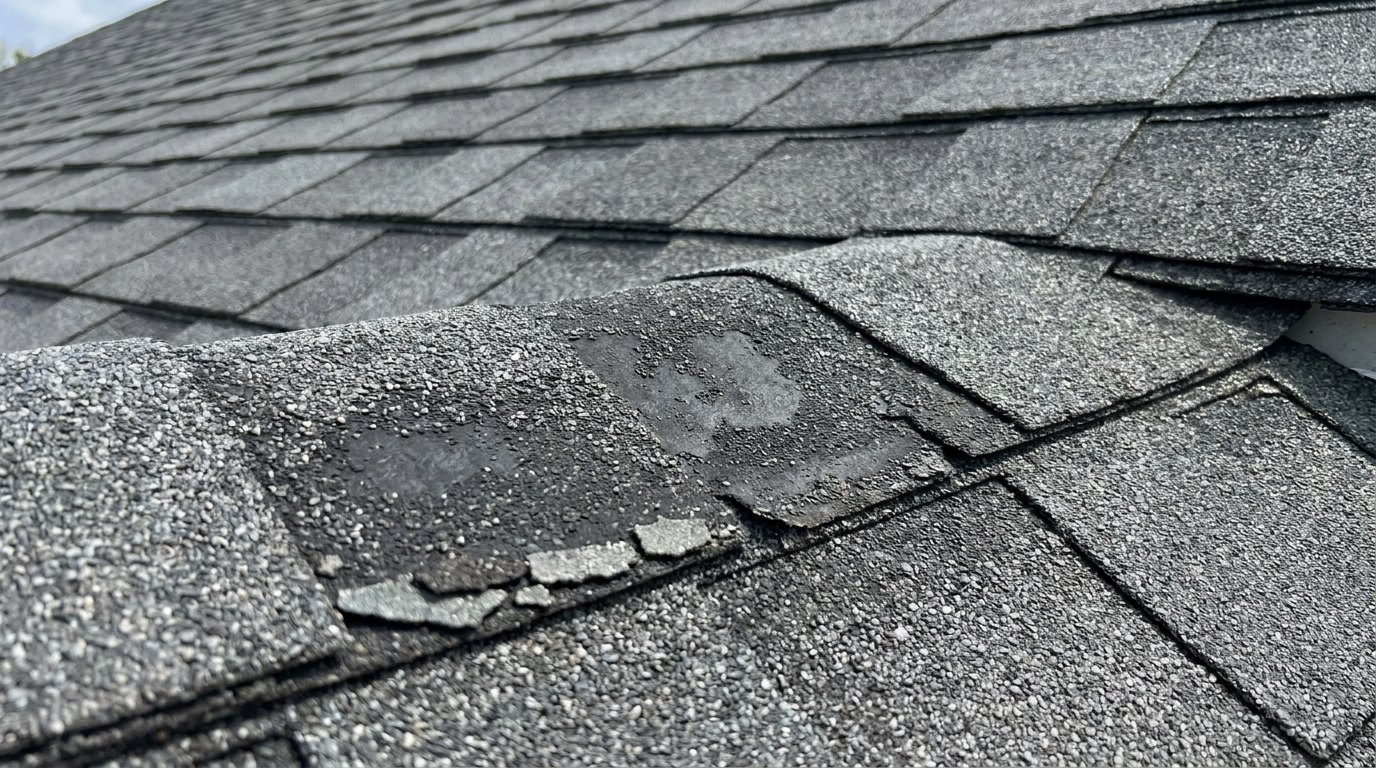
So "enough extra life" is set by the roof you have today. On shingles that are still flat, intact and holding their granules, a treatment might buy some time, though the evidence can't tell you how much. On a roof with major leaks, severe curling or missing shingles, even that seller's own rules take the treatment off the table.
Can a Rejuvenation Spray Cost You the Shingle Warranty?
It can cost you coverage, and the document that decides is your shingle manufacturer's warranty, not the treatment seller's website. Fresh Roof, a treatment seller, says on its site that its product "does NOT void your manufacturer's warranty." That is a seller's assurance about its own product. The shingle maker's own terms read differently.
CertainTeed's terms are a useful example. The company issues its limited warranty for residential asphalt shingles by installation year, and its 2025 edition says the warranty in effect when the shingles were originally installed is the one that applies. That edition covers manufacturing defects in shingles "subject to normal and proper use," and it doesn't mention rejuvenators at all. Its list of limitations, though, excludes damage from any cause "not a result of a manufacturing defect in the shingles," along with stains or discoloration from outside sources such as "paints, chemicals or other similar materials." And CertainTeed makes the call: the warranty covers shingles "CertainTeed determines are defective." Under those terms, a problem traced to a treatment is not a manufacturing defect, so that warranty wouldn't cover it.
ARMA's guidance points the same way. It says many asphalt shingle manufacturers "specifically recommend against" applying a rejuvenator to their shingles. It advises checking with the shingle manufacturer to find out whether a specific treatment is acceptable, and with your local building and zoning department, plus your homeowners association if you have one, to find out whether the application is allowed. The first of those checks is the one we'd insist on. Before anyone sprays your roof, find out which shingle is on it and the year it was installed, then get the shingle maker's answer about that specific product in writing.
How Much Does Roof Rejuvenation Cost on a Greensboro Home?
These are the sellers' numbers, not ours. In a June 2026 pricing guide, HydraSoy, which makes a soy-based treatment, says most homeowners can expect to pay "$1,500 to $4,500+" for professional roof rejuvenation, depending on the size and condition of the roof. Per square foot, it puts most projects between $0.80 and $2.00, though it adds that actual pricing varies by contractor, roof condition and location. Neither range is specific to Greensboro or the Triad, so treat them as a starting point, not a local quote.
The same HydraSoy guide lists what moves a quote. Larger roofs, steep pitches, complex rooflines and difficult access can all add labor, and a roof's square footage is not the same as the home's. Condition matters too: a heavily weathered roof, or one with significant granule loss, may need preparation or repairs before treatment. Local labor costs and any services bundled into the job can change the total as well.
Rejuvenation is sold as maintenance that gets repeated, so the first quote isn't the whole cost. Ask how often the seller expects to re-treat your roof and what each later round will cost before you compare the treatment with anything else.
When Does Rejuvenation Save Money Over Repair or Replacement for Greensboro Roofs?
Whether a roof needs a repair or a replacement is its own decision, and our guide to planning a roof replacement for a Carolina home walks through that call. The narrower question here is whether a treatment changes it.
The first thing to understand is what a treatment can't do: cancel the replacement. At best, it moves the date. That is why seller comparisons are worth reading closely. In a May 2024 cost article, Roof Rejuvenate USA sets three treatments on a 2,000-square-foot roof, one every five years and $5,160 in all, against a $17,000 replacement, and counts the difference as savings. The article frames that saving around an owner who may not have to replace the roof while living in the home, especially one who moves within the next 10 to 15 years. If you stay, the treatments are added to the cost of the eventual replacement, not subtracted from it.
A treatment can make financial sense when three things are true at once:
- The shingles are sound: flat, intact, holding their granules and not leaking.
- Your shingle manufacturer has confirmed that the specific product is acceptable on your shingles.
- The time it might buy is worth its price to you, such as carrying a sound roof toward the end of its expected life while you plan and budget for the replacement.
When the problem is a leak, a repair is the better spend. Resealing flashing, replacing a cracked pipe boot or swapping out damaged shingles deals with the water, and a flexibility treatment doesn't. When a roof is past the point where either helps, a treatment spends money on shingles that are about to come off.
Why Do Some Roofers Say Rejuvenation Is Not Worth the Price in Greensboro?
Roofers who argue against rejuvenation tend to make the same point: the treatment is priced against a new roof, yet it leaves untouched the problems that make roofs fail. Excel Roofing, which works in Colorado and Wyoming, is one of them. Its April 2026 critique lists what a treatment doesn't fix: lost granules, cracked or curling shingles, rotten decking and failed flashing around chimneys and vents. Roofing Experts of Savannah, in Georgia, and The Roof Doctor, in Salt Lake City, have published similar lists. All three work far from the Triad, but what the product doesn't touch is the same on a Greensboro roof.
On r/Roofing, the tone is blunter. In one thread asking for the consensus, a 48-point reply offered a sarcastic list of problems a spray leaves untouched, from a leaking chimney to cracked pipe boots and rotted plywood. The thread wasn't unanimous. In a 9-point reply, a commenter who said they had run rejuvenation locations defended the spray, but said its warranty covers little and called the repair work done before spraying "incredibly helpful."
The shingle makers give roofers another reason for caution. Owens Corning's August 2026 technical bulletin on rejuvenators and coatings warns that products of unknown chemistry could cause blistering, curling or softening of the asphalt, that application may affect the shingles' fire resistance classification, and that the added foot traffic during application could age shingles prematurely.
Insurance is another point of friction. Some sellers pitch a treatment as help at renewal time. Fresh Roof, for instance, says a treated roof "may work in your favor during inspections and insurance renewals." The same page says every policy is different and tells homeowners to ask their insurance agent directly, which is sound advice: your insurer decides how it rates your roof, and neither the treatment seller nor any roofer, us included, makes that call.
What Should a Greensboro Inspection Confirm Before You Pay for Rejuvenation?
A treatment quote tells you what the spray costs; an inspection should tell you whether your roof is a candidate at all. Before you pay for rejuvenation on a Greensboro roof, the inspection report should cover:
- Which shingle is on the roof, and the year it went on. You need both to find the warranty that applies and to ask the shingle maker about a specific treatment.
- How the granules are holding up. Heavy granule loss is a warning sign, because a treatment doesn't replace granules that are gone.
- Whether shingles are cracked, curling or missing. Sellers' own guidance rules out roofs with severe curling, extensive cracking or missing shingles.
- Where water could get in. Damaged flashing, worn valleys, cracked pipe boots and popped nails need repair first, and a flexibility treatment doesn't close a leak.
- Whether the roof deck is sound. Soft or sagging decking is a structural problem that a spray can't reach.
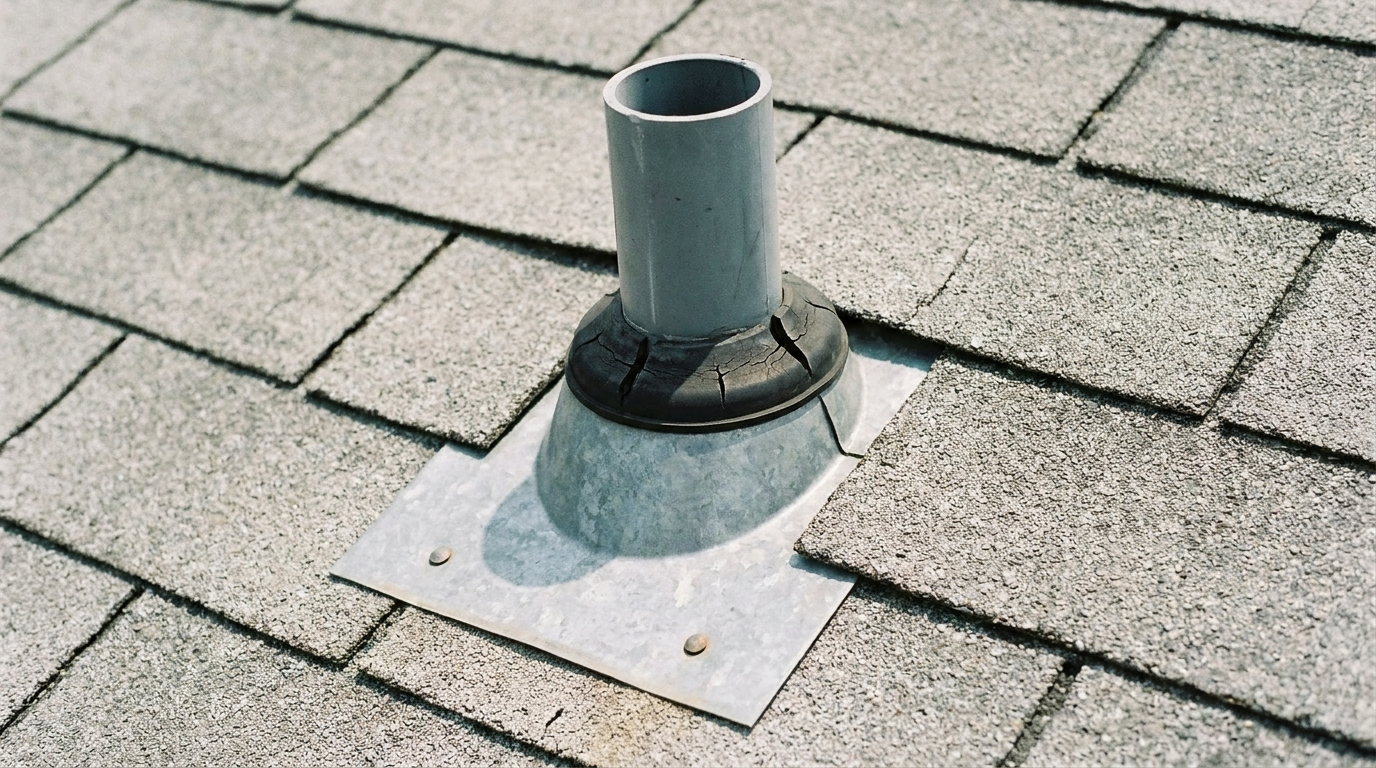
If the report comes back clean on all five, the next step is the shingle maker's written answer on the specific product. If it doesn't, you have your answer on rejuvenation, and the same report shows you what to fix instead.
That's where our work starts, too: every job we do begins with a free on-site inspection. Our project manager photographs what the inspection finds, and the quote comes back written, with options, so you see the same evidence we do before you decide anything.
If you'd like that kind of look at your roof, schedule an inspection with our team, or see our roofing services in Greensboro.
Quick Recap
- Roof rejuvenation is a liquid treatment, usually sprayed on, sold to restore flexibility to aging asphalt shingles. NRCIA says rejuvenation warranties usually last five years and cover flexibility, not leaks.
- ARMA cites "limited available documentation" for claimed benefits such as longer roof life, and NRCIA says a treatment may, in select cases, help a roof reach its expected lifespan.
- A treatment can cost you coverage, and the document that decides is your shingle manufacturer's warranty. CertainTeed's 2025 edition covers manufacturing defects and excludes damage from any cause that isn't one, and ARMA says many manufacturers recommend against rejuvenators. Get your shingle maker's answer in writing before anyone sprays.
- HydraSoy's June 2026 guide says most homeowners can expect to pay "$1,500 to $4,500+" for professional rejuvenation, depending on the size and condition of the roof. Rejuvenation is sold as maintenance that gets repeated, so ask how often the seller expects to re-treat and what later rounds will cost.
- At best, a treatment moves the replacement date. It can make financial sense when the shingles are sound, your shingle manufacturer has confirmed the specific product is acceptable and the time it might buy is worth its price to you.
- For a leak, a repair is the better spend. Before you pay for rejuvenation, a Greensboro inspection should confirm the shingle and its install year, the granules, the shingle condition, the leak points and the deck.