Cedar Roof Guide: How to Pick the Right Shakes or Shingles and Avoid Common Issues
RoofingThomas Noel
Quick Answer
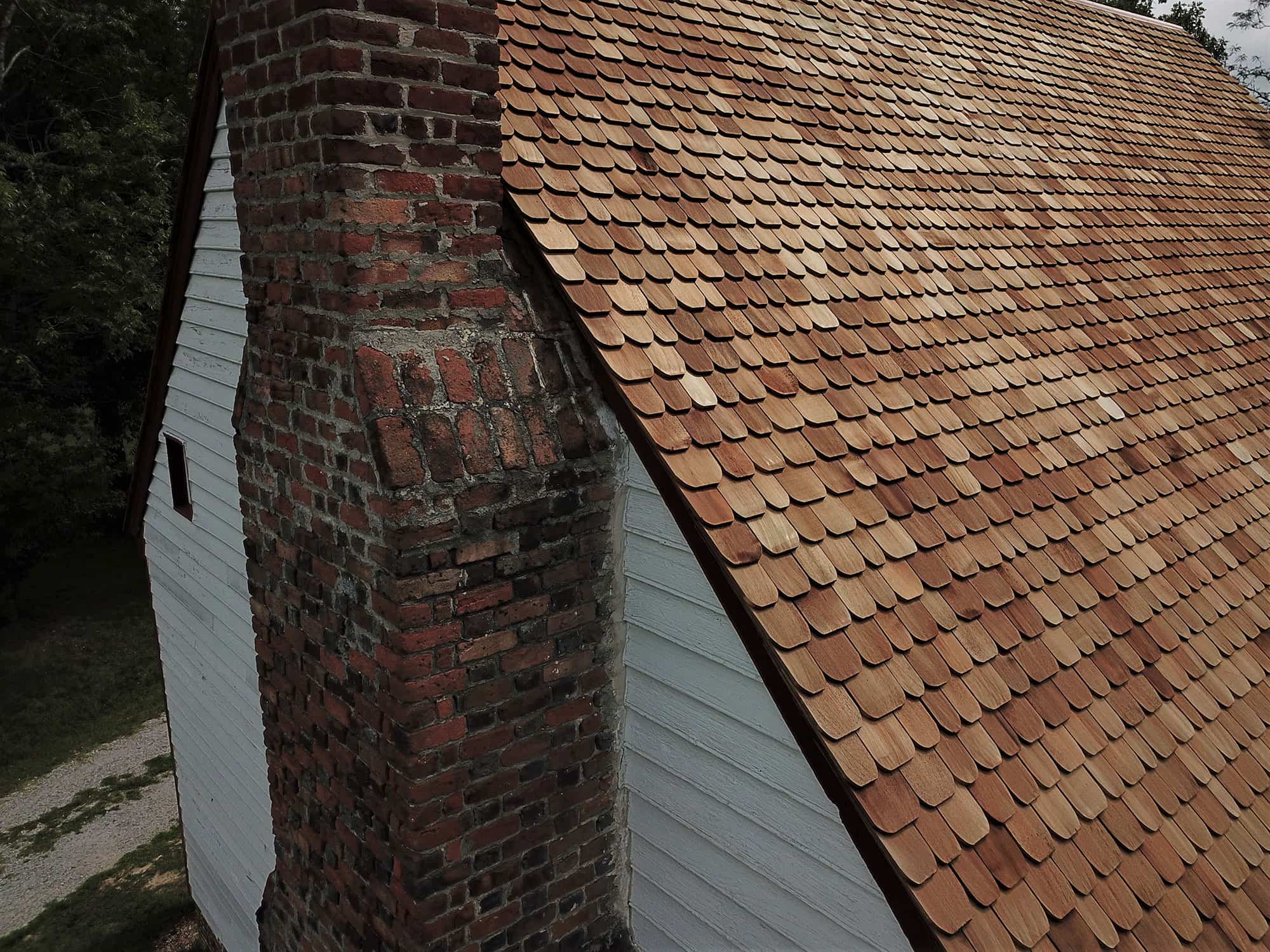
Cedar roofing offers a distinctive natural appearance and lasts 30-50 years with proper maintenance. Shakes are thicker and more durable; shingles are smoother and more affordable.
In humid climates like the Carolinas, regular cleaning and inspection are essential to prevent rot, moss, and moisture damage. Learn more about Baker’s cedar roofing services here.
Related Guides
- Wood vs. Metal Roofing
- Cedar Shakes vs. Shingles
- Cedar Shakes Guide
- Cedar Shingles Guide
Cedar roofing has a reputation for looking great and adding character to a home. But it’s not just a design choice. It’s a material that comes with specific performance tradeoffs, maintenance requirements, and long-term costs that are worth understanding before you commit.
For some homeowners, a cedar roof is absolutely the right investment. For others, it can become a source of ongoing upkeep and expense, especially in climates like the Carolinas where humidity and storms play a major role in how materials hold up over time.
This guide covers how cedar roofing works, the difference between shakes and shingles, what it costs, how long it lasts, and the most common problems to watch for, so you can make a confident decision about whether cedar is the right fit for your home.
What Is a Cedar Roof?
A cedar roof is made from natural wood, typically Western Red Cedar, cut into either shakes or shingles and installed in overlapping layers to shed water. Unlike asphalt shingles or metal panels, cedar is a natural material that responds to its environment over time.
It expands and contracts with moisture and temperature changes, weathers gradually, and shifts in color as it ages. Cedar usually develops a silver-gray patina that many homeowners find part of the appeal.
Homeowners choose cedar for a few consistent reasons: the appearance is hard to replicate with synthetic materials, it provides natural insulation, and it fits particularly well with certain architectural styles like coastal, craftsman, and historic homes.
Those are real advantages. But they come with real tradeoffs too. It’s important to understand both the benefits and tradeoffs before you commit to a cedar roof.
Cedar Shakes vs. Cedar Shingles: What You Need to Know
Shakes and shingles are often used interchangeably, but they’re different products that perform differently and suit different homes. If you want the full breakdown, we have a dedicated guide on the difference between cedar shakes and shingles that covers the details. Here’s the short version.
Cedar shingles are machine-sawn on both sides, which gives them a smooth, uniform appearance. They’re thinner, more consistent in size, and generally less expensive than shakes. That uniformity makes them a natural fit for traditional homes, historic renovations, and projects where a cleaner look is the goal.
Cedar shakes are split rather than fully sawn, which creates a rougher, more textured surface and a thicker profile. That added thickness gives shakes better durability and a more dimensional, rugged look. They’re common on high-end homes, mountain-style properties, and anywhere the aesthetic calls for something with more natural character. The tradeoff is higher cost and more complex installation.
| Feature | Cedar Shingles | Cedar Shakes |
|---|---|---|
| Appearance | Smooth and uniform | Rough and textured |
| Thickness | Thinner | Thicker |
| Durability | Moderate | Higher |
| Cost | Lower | Higher |
| Best For | Traditional, historic homes | Premium or rustic designs |
The right choice depends on your home’s style, your budget, and how long you plan to stay. Both options require the same level of ongoing maintenance.
How Long Does a Cedar Roof Last in the Carolinas?
Cedar roofs can last 30 to 50 years for shakes and 30 to 40 years for shingles when properly maintained. In practice, cedar’s lifespan in the Carolinas depends heavily on the quality of two things: installation and maintenance.
Carolina weather presents a specific set of challenges for cedar. Humidity is the biggest one. Cedar absorbs moisture, and in a climate where humidity stays elevated for much of the year, that means the wood is frequently wet and then drying out again. Repeated moisture cycling accelerates the breakdown of wood fibers over time.
Add in frequent summer rain, the occasional tropical system moving inland, and the tree canopy that shades many Carolina homes, and you have conditions that can shorten a cedar roof’s life noticeably if it isn’t being actively cared for.
That’s not a reason to avoid cedar. It’s a reason to go in with clear expectations about what ownership actually looks like.
What Does a Cedar Roof Cost?
Cedar roofing is a premium material, and the price reflects that. According to This Old House, total installed costs for cedar shake roofing average $5.50 to $13.50 per square foot, with hand-split shakes running $3.50 to $6.50 per square foot for materials alone and taper-sawn shakes at $4.50 to $8.50 per square foot. Both cedar shingles and shakes can cost between $6.53 to $9.90 per square foot installed for standard projects.
Actual costs in the Carolinas can run higher depending on the complexity of your roof, its pitch, how accessible it is, and current local labor rates.
A simple roofline on a single-story home will come in at a different number than a steeply pitched roof with multiple dormers and valleys. Tear-off of an existing roof, new underlayment, and flashing are additional costs to factor in before you have a true project total.
Cedar costs significantly more upfront than asphalt shingles but less than slate or tile. The value of cedar is its appearance and natural character, not its longevity compared to premium alternatives. Metal, slate, and clay tile all outlast cedar with less maintenance.
Pros of Cedar Roofing
Distinctive Appearance
The texture and depth of a cedar roof, especially shakes, is genuinely difficult to replicate with synthetic products. As it weathers, it develops a character that many homeowners find more appealing than what it looked like when it was new.
Natural Insulation
Beyond appearance, cedar provides better natural insulation than most roofing materials. Wood is a poor conductor of heat, which means a cedar roof helps buffer attic temperatures in both summer and winter, and that can make a modest difference in energy costs over time.
Lightweight Material
Cedar is also relatively lightweight compared to slate or tile, which means it typically doesn’t require structural reinforcement. And for the right home in the right neighborhood, a cedar roof can meaningfully improve curb appeal and resale value in a way that standard asphalt doesn’t.
Cons of Cedar Roofing
This is where a lot of homeowners underestimate what they’re signing up for.
High Maintenance Requirements
Cedar is not a low-maintenance material. It needs regular cleaning to prevent moss, algae, and debris buildup. It needs periodic treatments to protect against mold, mildew, and insects. It needs inspection after storms and attention whenever small issues appear, because small issues on a cedar roof don’t stay small for long if they’re ignored.
Vulnerable to Moisture
Without maintenance, cedar can deteriorate faster than most homeowners expect. Moisture gets trapped. Rot spreads under the surface in ways that aren’t always visible until it’s a bigger problem. The roof that looked beautiful at installation starts showing its age well ahead of schedule.
Fire Concerns
Cedar is also combustible in its natural state. Some products are treated for fire resistance, and this is something worth confirming when you’re evaluating options. In areas with strict fire codes or elevated wildfire risk, untreated cedar may not be an option at all.
Shorter Lifespan than Premium Alternatives
Finally, cedar falls in the middle of the durability spectrum. It can outlast asphalt shingles in the right conditions, but it doesn’t come close to the lifespan of metal, slate, or clay tile. If long-term durability with minimal upkeep is the goal, cedar probably isn’t the best match.
Common Cedar Roof Problems and How to Catch Them Early
Understanding how cedar fails is one of the most useful things a homeowner can know before they choose it.
Moss and Algae Growth
Moss and algae are the most visible warning signs. In shaded or humid areas, organic growth takes hold quickly on cedar surfaces. Moss is particularly problematic because it holds moisture against the wood, which accelerates the breakdown underneath it. A roof that looks green from the ground is telling you something.
Rot and Moisture Damage
Rot is what happens when moisture exposure goes unaddressed for too long. It tends to show up first in valleys, at roof edges, and anywhere debris accumulates and keeps the wood from drying out. By the time rot is visible on the surface, it’s usually already spread further than it looks.
Splitting, Cracking, Curling, and Warping
Splitting and cracking happen as cedar ages and dries out. The wood becomes more brittle, and small cracks open up that let water in. Curling and warping come from the same cycle of moisture absorption and drying, which causes individual shakes or shingles to distort and lose their fit over time.
Insect Damage
Insect damage is a less common but real risk on any wood roofing system that isn’t properly treated. Untreated cedar, especially in warm and humid climates, is more vulnerable to pests than most homeowners assume.
The good news is that most of these problems start small and are visible before they become serious. Regular inspections, ideally twice a year and after major storms, give you the chance to catch issues while they’re still fixable.
Why Installation Quality Makes or Breaks a Cedar Roof
Cedar doesn’t forgive installation shortcuts the way asphalt shingles sometimes can. Improper spacing between shakes or shingles traps moisture and can cut years off the roof’s life. Inadequate ventilation underneath accelerates decay.
The wrong fasteners cause splitting at the nail points. Sloppy transitions at valleys, ridges, and penetrations create entry points for water that show up as leaks months or years later.
A well-installed cedar roof has consistent spacing to allow for natural expansion, proper airflow underneath, and careful attention at every transition point.
Getting those details right at installation is what determines whether the roof reaches its potential lifespan or falls short of it. It’s important to work with professionals like Baker Home Exteriors who have real experience with cedar.
Is a Cedar Roof Right for Your Home?
Cedar works well in specific situations and less well in others.
A cedar roof is probably a good fit if you care deeply about the appearance and natural character of your home’s exterior, you’re planning to stay in the home long enough to enjoy the investment, your home’s style genuinely calls for it, and you’re realistic about taking on regular maintenance as part of ownership.
Cedar is probably not the right call if you want a roof that requires minimal attention, your home sits in a heavily shaded or very humid spot, budget is the primary driver of the decision, or you’re looking for the longest possible lifespan without ongoing upkeep.
In those cases, metal roofing or synthetic slate gives you better long-term performance for the maintenance commitment involved.
In many Carolina homes, especially those surrounded by mature trees or in areas with consistently high humidity, the maintenance reality becomes the deciding factor. That’s not a knock on cedar. It’s just an honest accounting of what the material asks of you.
Frequently Asked Questions About Cedar Roofing How long does a cedar roof last?
Cedar shakes typically last 30 to 50 years when properly maintained, and cedar shingles last 30 to 40 years. In the Carolinas, consistent maintenance matters more than it does in drier climates because humidity and moisture exposure put more stress on the wood over time.
- Are cedar shakes better than shingles?***
Not necessarily, it depends on what you are looking for. Shakes are thicker and more durable, with a more dimensional, textured look. Shingles are more uniform, a bit easier to install, and generally less expensive.
- What does a cedar roof cost?***
According to This Old House, total installed costs average $5.50 to $13.50 per square foot for cedar shakes, with prices varying based on material grade, roof complexity, pitch, and local labor. Cedar costs more upfront than asphalt but less than slate or tile.
- Does cedar roofing rot?***
It can, particularly when moisture stays trapped against the wood without drying out. Regular cleaning, debris removal, and prompt attention to small repairs are what keep rot from becoming a serious problem.
- Do cedar roofs need to be treated?***
In most cases, yes. Treatments help protect against mold, mildew, and insects. Some products come pre-treated; others need periodic application after installation. This is worth discussing with your contractor before choosing a product.
- Can a cedar roof handle Carolina storms?***
Cedar handles wind and rain well when it’s properly installed and in good condition. The bigger risk during storms is impact damage from debris, which can crack or split individual shakes. That’s also why post-storm inspections matter.
Cedar Is a Commitment, But It’s Worth It for the Right Home
A cedar roof done right is one of the more beautiful things you can put on a house. It ages well, it fits homes that other materials don’t suit, and it holds up for decades with proper maintenance.
The key word is commitment. Cedar rewards homeowners who stay on top of it and tends to disappoint those who don’t. Going in with clear expectations about what that maintenance looks like is what sets up a cedar roof to perform the way it should.
Baker Home Exteriors has been helping homeowners across the Carolinas choose and install cedar roofing for more than 110 years. If you’re considering cedar for your home, request a free consultation and we’ll give you an honest read on whether it’s the right material for your specific home, climate, and goals.
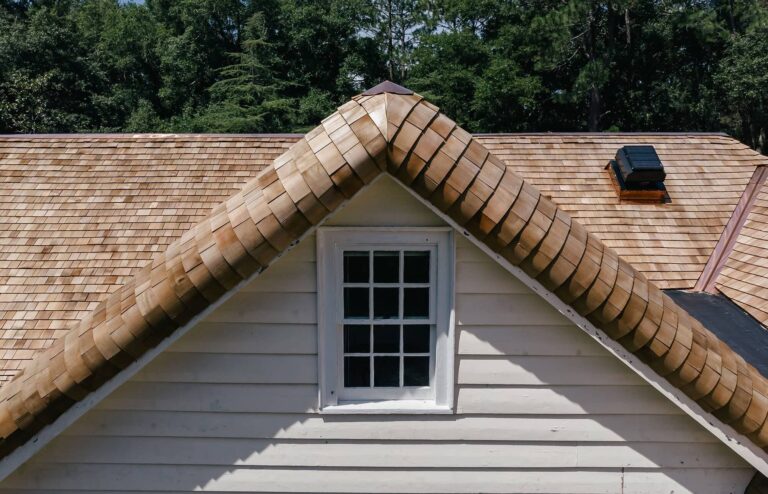
Cedar Shakes vs. Shingles: Comparing the Pros & Cons
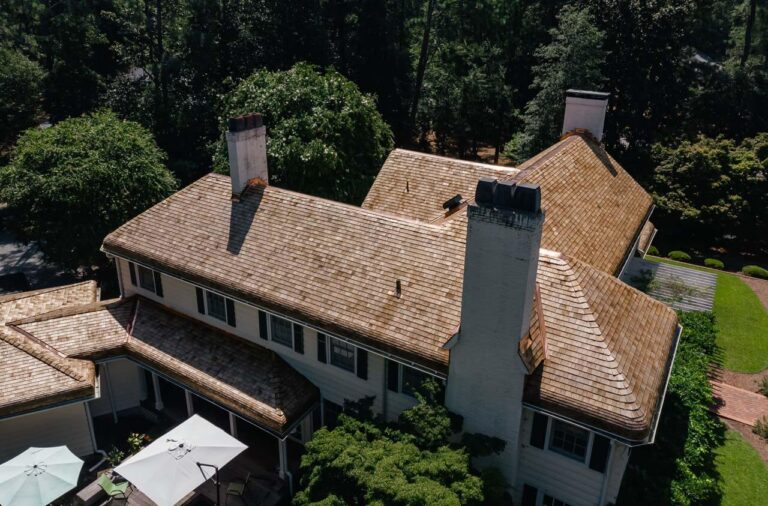
Cedar Shakes: Everything You Need to Know
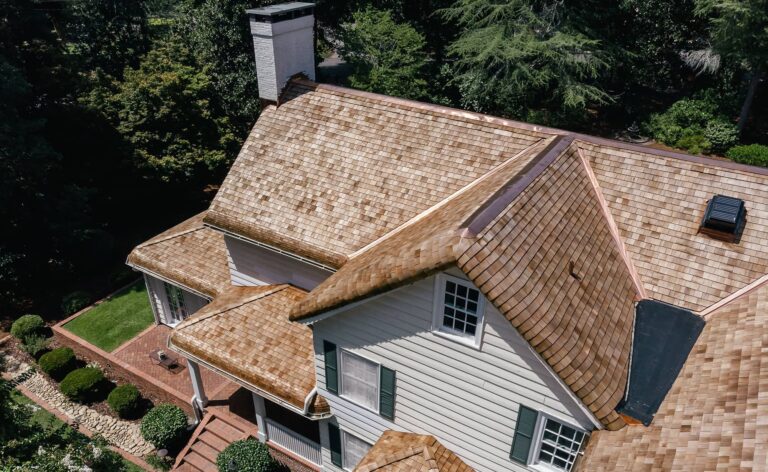
The Best Type of Roof: Wood or Metal Roofing?
Read More

Written by Thomas Noel Based in Charlotte, North Carolina, Thomas Noel is a writer with more than 10 years of experience writing and editing content that helps homeowners make smart, confident decisions. He previously managed a home design site and has written about everything from eco-friendly home upgrades and smart-home products to heating and cooling solutions like HVAC systems and furnaces. He brings a practical eye and hands-on knowledge to every home improvement story he tells.