Slate Roof Restoration Guide: How to Bring Your Slate Roof Back to Life
RoofingThomas Noel
Quick Answer
Slate roof restoration involves repairing and reinforcing the support around a slate roof, such as fasteners and flashing. Since slate can last 75-100+ years, restoration often makes more sense than repair because the slate itself lasts longer than all the other roof components.
A professional restoration costs much less than full replacement and can extend a roof’s functional life by 20 to 40 years. Learn more about Baker’s slate roofing services here.
Related Guides
- Slate Roofing Guide
- Benefits of Slate
- Natural vs. Synthetic Slate
Slate roofs are built to last. A properly installed natural slate roof can perform for 75 to 100 years or more. But they can still require maintenance and repairs over that long lifespan.
Not every part of a slate roof lasts as long as the slate itself. Fasteners corrode. Flashing deteriorates. Underlayment breaks down under years of moisture exposure.
When these supporting components start to fail, your roof can show signs of wear even when the stone tiles are still in excellent shape. That’s when it’s worth considering restoration.
Slate roof restoration focuses on repairing and reinforcing the existing system so it can continue performing for decades. It’s more than patching a single tile, but it doesn’t involve tearing off the entire roof and starting over. For many homeowners, it’s the most cost-effective way to extend the life of a slate roof by decades without the expense of a full roof replacement.
This guide explains what restoration involves, how to recognize when your roof needs it, what it typically costs, and how to decide whether your slate can be saved or needs to be replaced.
What Is Slate Roof Restoration?
A restoration project starts with a detailed inspection. Before any work begins, a qualified contractor needs to assess the condition of the slate tiles themselves, the integrity of the fasteners, the performance of the flashing, any signs of moisture intrusion in the attic or decking, and the overall structural stability of the roof. This lets you know whether you need a roof repair or replacement.
From there, the scope of work depends entirely on what the inspection reveals. A typical restoration might include replacing broken or missing tiles, re-securing slipped tiles, repairing or replacing flashing around chimneys, valleys, and vents, addressing fastener failure, and spot repairs to underlayment where accessible. The goal isn’t to reset the roof to brand-new condition. It’s to stabilize and reinforce the existing system so it can keep doing its job for another decade or more.
Slate restoration requires precision at every step. Replacement tiles need to be matched carefully in size, thickness, and color. Incorrect installation creates weak points that lead to future leaks. This is skilled, detail-oriented work, and the quality of the roofing contractor matters as much as the scope of the project.
Why Slate Roofs Need Restoration
Natural slate is one of the most durable roofing materials available. The stone itself can last well over a century in the right conditions. But the components around the slate tiles may not last that long. Fasteners (the nails and metal clips that hold each tile in place) often begin to corrode and lose holding strength after 40 to 60 years. When that happens, tiles start to slip out of position even though they’re structurally intact. This is commonly called “nail sickness,” and it’s one of the most frequent reasons older slate roofs develop problems.
Flashing around chimneys, skylights, valleys, and vents can deteriorate even sooner depending on the material used. When flashing fails, water finds its way beneath otherwise sound tiles. Underlayment breaks down over time as well, particularly in climates with significant moisture exposure like the Carolinas.
This is why so many slate roofs start showing wear long before the slate itself gives out. Restoration addresses these aging components while preserving the tiles, which are often still in excellent condition.
Signs Your Slate Roof May Need Restoration
Most slate roof issues develop gradually, which means the window for restoration is wider than homeowners often realize. Catching problems early keeps the scope of work smaller and the cost lower.
On the exterior, watch for:
- Occasional leaks during heavy rain
- Tiles that have visibly slipped out of alignment
- Small clusters of broken or cracked tiles
- Visible corrosion or separation around flashing
Inside the attic, look for signs of moisture on the decking or rafters, even if there’s no active leak inside the living space. These are early signals that components are aging and restoration work should be considered.
More serious signs include:
- Repeated leaks in the same area despite previous repairs
- Widespread tile slippage across multiple sections
- Sagging anywhere along the roofline
- Evidence of significant water intrusion
At this stage, a full professional evaluation is necessary to determine whether restoration is still possible or whether replacement is a better option.
The most important thing to understand is that a slate roof showing these signs isn’t necessarily a lost cause. Many roofs that look rough from the ground are still structurally sound where it counts. A professional inspection is the only reliable way to know.
Common Slate Roof Problems and What Causes Them
Understanding what’s going wrong can help you decide whether restoration makes sense.
Slipped Tiles
Nail sickness, as described above, is the most common issue in older slate roofs. Tiles begin slipping as the fasteners beneath them lose their grip, even when the stone itself is perfectly intact. Replacing fasteners and re-securing tiles is a standard part of most restoration projects.
Broken or Cracked Tiles
Broken or cracked tiles typically result from impacts from storm debris, tree branches, or foot traffic. Individual tile replacement is one of the more straightforward restoration tasks when the surrounding system is sound.
Flashing Failure
Flashing failure is responsible for a significant share of slate roof leaks. Water doesn’t care how good the stone is if the metal around the chimney has separated. Flashing repair and replacement is often a substantial part of a restoration scope and one of the more variable cost factors depending on the materials used.
Improper Past Repairs
Past repairs, if not done correctly, create their own problems. Roofing cement, mismatched tiles, or fasteners that weren’t designed for slate can trap moisture and accelerate deterioration in the areas around them. A restoration often involves undoing previous shortcuts before the real repair work can begin.
What Does Slate Roof Restoration Cost?
Restoration costs vary widely depending on what the inspection reveals and how much of the roof needs attention. According to Angi, individual slate tile replacement runs $50 to $200 per tile.
Flashing and fastening replacement ranges from $600 to $20,000 depending on the scope and materials involved. Copper flashing, which most natural slate roofs require, runs toward the higher end.
Underlayment repair, whether spot patching or area replacement, typically costs between $800 and $16,000 depending on the size of the affected area. Labor runs $4 to $17 per square foot depending on the roof’s pitch, complexity, and accessibility.
A full restoration that involves each of these components will cost significantly less than a full replacement, which for natural slate can run $30,000 or more depending on home size. That cost difference is often what makes restoration the right call when the slate itself is still viable.
If repairs expose framing issues or sagging, a structural engineer may need to be involved. Angi puts that cost at $350 to $775, and it’s worth accounting for if your roof is older or showing any structural issues.
Restoration vs. Repair vs. Replacement
One of the most important decisions you’ll face is choosing the right level of work for your slate roof. Here’s a simple way to think about it:
| Situation | Best Option | Why |
|---|---|---|
| A few broken tiles, no leaks | Repair | Isolated issue, minimal work needed |
| Multiple aging components, recurring issues | Restoration | Extends life without full replacement cost |
| Widespread failure, structural concerns | Replacement | System is beyond practical repair |
If the slate tiles are still structurally sound and the issues are mostly in the supporting components like fasteners, flashing, and underlayment, restoration can be the more cost-effective path. If large sections of the roof are failing or there are structural concerns beneath the slate, replacement may be the better long-term investment.
Why Slate Restoration Requires a Specialist
Slate roofs are typically more complex than asphalt or metal roofs. The tiles are brittle and can break under the wrong kind of pressure. Walking across a slate roof incorrectly cracks tiles. Removing or replacing tiles without the right tools and technique damages the surrounding area. Flashing systems on slate roofs follow installation methods that are specific to the material and the age of the roof.
Not all roofing contractors work with slate, and hiring one who doesn’t have genuine experience with it can do more damage than you started with. An unqualified repair often creates new leak points while leaving the original problem unresolved.
Working with a contractor who specializes in slate means the assessment is accurate, the repair matches the original installation, and the work is done in a way that doesn’t compromise the tiles or the system around them.
How to Extend the Life of a Slate Roof
Proactive maintenance is the best way to reduce the scope and cost of future restoration work. Most of the serious issues that push slate roofs toward replacement start as minor problems that were left unaddressed for too long.
Scheduling a professional inspection every one to two years gives you an accurate picture of where the roof stands before issues become serious. Keeping gutters clear prevents water from backing up under the eave and stressing the flashing and underlayment at the roof edge. Addressing small tile replacements or flashing issues quickly keeps them from becoming larger water intrusion problems. And hiring experienced professionals for any repair work on the roof protects the integrity of the system overall.
Slate rewards attentive maintenance in a way that few other roofing materials do. A well-maintained slate roof that gets timely restoration work can continue performing for decades beyond what most homeowners expect.
Frequently Asked Questions (FAQs) About Slate Roof Restoration How much does slate roof restoration cost?
It depends heavily on what the inspection reveals. According to Angi, individual tile replacement runs $50 to $200 per tile, flashing and fastening work ranges from $600 to $20,000, and underlayment repair runs $800 to $16,000. A restoration drawing on multiple components will cost significantly less than full replacement in most cases.
-
Can all slate roofs be restored?** No, not all.* If the slate itself is severely deteriorated across large sections, or if there are significant structural issues beneath the roof, replacement may be the more practical option. A professional inspection is the only reliable way to determine which category your roof falls into.
-
How long can restoration extend a slate roof’s life?***
A professional restoration can extend a slate roof’s functional life by 20 to 40 years or more, depending on the condition of the tiles and the quality of the work.
- Is it worth restoring a slate roof instead of replacing it?***
In most cases where the slate tiles are still sound, yes. The cost of restoration is substantially lower than full replacement, and the slate itself may have decades of useful life remaining. The math changes if restoration costs are approaching replacement costs, which is why getting both quotes before deciding makes sense.
- How do I know if my slate is still good?***
A professional inspection is the most reliable way to assess tile condition, fastener integrity, and whether the underlying structure is sound. Many roofs that look worn are still structurally viable.
Restore First, Replace Only When Necessary
Slate roofs are unique because they can often be repaired and restored rather than replaced. The stone itself frequently outlasts everything around it, and a professional restoration can keep a slate roof performing for another decade or more without the cost of a full replacement.
The key is catching issues at the right time and working with qualified pros who actually know slate. Restoration done well is an investment. Restoration done poorly just delays the replacement conversation.
Baker Home Exteriors has been working with roofing systems across the Carolinas for more than 110 years, and that includes slate in all of its forms: historic restorations, synthetic slate, individual repairs, and full replacements when that’s genuinely what a roof needs. If your slate roof is showing signs of age, request a free inspection to get an honest assessment of what your roof needs and what it will cost.
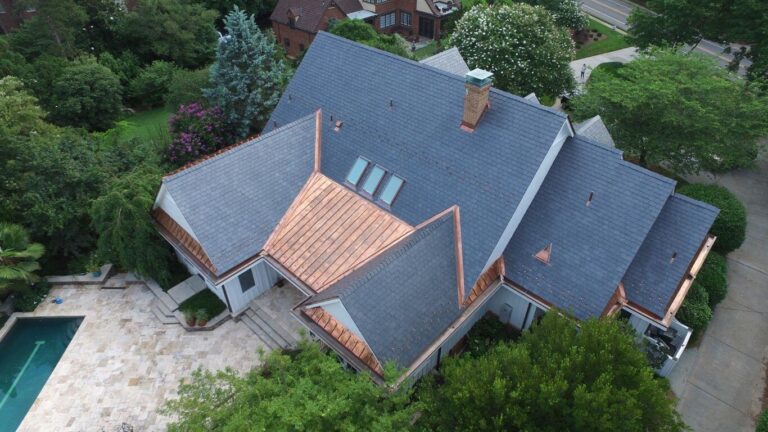
Slate Roofing: Everything You Need to Know
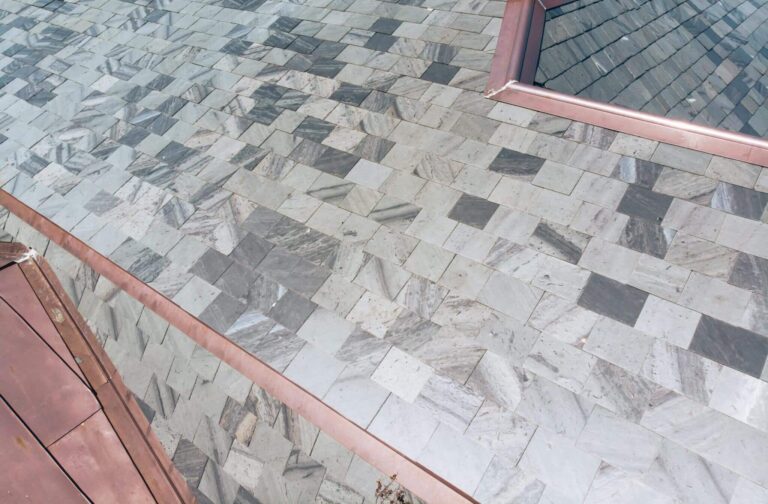
Natural vs. Synthetic Slate: Pros and Cons
Read More
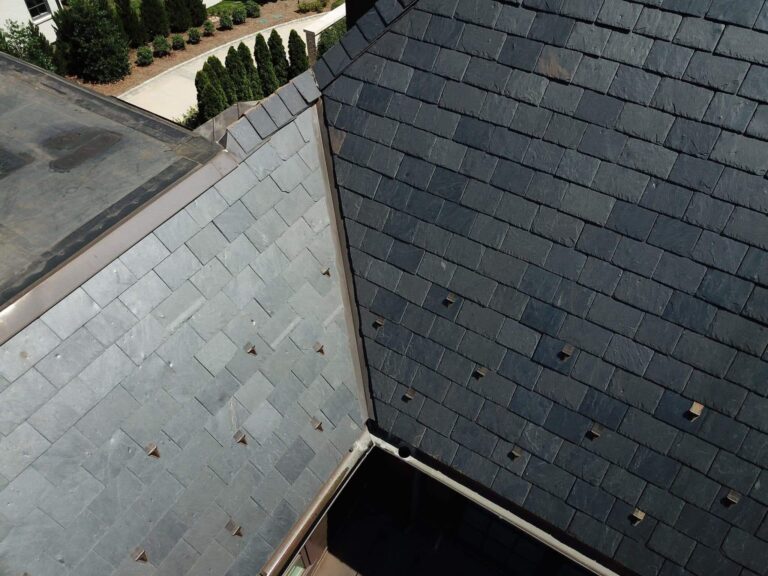
Top 7 Benefits (And Drawbacks) of Slate Roofing

Written by Thomas Noel Based in Charlotte, North Carolina, Thomas Noel is a writer with more than 10 years of experience writing and editing content that helps homeowners make smart, confident decisions. He previously managed a home design site and has written about everything from eco-friendly home upgrades and smart-home products to heating and cooling solutions like HVAC systems and furnaces. He brings a practical eye and hands-on knowledge to every home improvement story he tells.