How to Install Gutter Guards for Your Carolina Home

If you’ve ever climbed a ladder to clean out soggy leaves and pine needles from your gutters, you’ve probably asked yourself the same question: is there a way to stop this from happening every year?
That’s how homeowners decide to go with gutter guards.
In the Carolinas, where heavy summer rain, tropical systems, and tree-heavy neighborhoods are common, clogged gutters are more than a nuisance. They can lead to fascia rot, foundation erosion, crawl space moisture, and roof-edge leaks. Gutter guards are designed to solve that problem. And in theory, the concept is simple. In practice, how well they work comes down to how well they’re installed.
This guide explains what gutter guards are, why they matter for Carolina homes specifically, and what proper installation actually involves, so you can make a confident decision about how to move forward.
Quick Answer
Installing gutter guards involves cleaning the existing gutter system, securing the guard so it aligns properly with the roofline, and testing water flow to ensure rain enters the gutter rather than overshooting it.
Because incorrect alignment or installation under shingles can affect drainage or roofing warranties, many Carolina homeowners choose professional installation for the best long-term performance.
Need a Contractor to Handle Your Gutter Guard Installation?
You shouldn’t have to worry about your home’s exterior. If you live in the Carolinas, Baker likely serves your area.
Fast and free estimates.
Related Guides
What Gutter Guards Are and How They Work
Your gutter system has one job: collect rainwater from the roof and channel it away from your home through downspouts. When gutters clog with leaves, pine needles, seed pods, or roofing granules, water overflows. That overflow typically spills behind the gutter, soaking fascia boards before eventually pooling near the foundation.
Gutter guards sit on top of or inside the gutter channel to keep debris out while letting water flow through. Most quality systems use some form of surface tension or filtration to guide water in while shedding debris off the edge. The key isn’t the concept, it’s the quality of the system and the precision of the installation.
Baker installs RainDrop® gutter guards, which use a patented S-curve design to maximize water flow while keeping debris out. Unlike flat mesh systems that can trap debris on top or reverse-curve designs that struggle during heavy downpours, RainDrop’s shape maintains drainage performance in the kind of intense rain the Carolinas regularly see.
Why Gutter Guards Matter More in the Carolinas
Gutter guards aren’t just about skipping the annual cleaning. In this region, they’re a meaningful part of protecting your home’s exterior.
The Carolinas receive roughly 45 to 50 inches of rainfall a year, and a significant portion of it arrives fast, during summer thunderstorms or the remnants of tropical systems moving inland. During those events, large volumes of water move off roof surfaces quickly. If gutters are even partially clogged, a brief downpour can overwhelm the system entirely.
Add in the dense tree canopy of many Carolina neighborhoods, and the maintenance challenge gets even bigger. Oak leaves, pine needles, sweet gum pods, and seed debris accumulate quickly and pack down inside gutter channels in ways that reduce drainage even when the gutter isn’t visibly full. Without some form of protection, gutters in tree-heavy areas may need cleaning three or four times a year to stay functional.
A well-installed gutter guard system reduces the amount of maintenance you have to do and, more importantly, keeps water moving away from your fascia, siding, and foundation the way it’s supposed to.
What Proper Installation Actually Involves
Installing gutter guards isn’t complicated in concept, but it’s not as simple as laying a screen over an open channel either. Before any guard goes on, the existing gutter system has to be in good shape. That means the gutters need to be thoroughly cleaned and flushed, the pitch needs to slope correctly toward the downspouts, and the fascia boards and gutter hangers need to be solid. Installing guards over a system with existing problems doesn’t fix those problems. It hides them.
Once the system is ready, installation involves securing the guard properly so it doesn’t interfere with the roofline or block water flow at the drip edge. This is a more precise step than it sounds. A guard positioned too flat can let water pool on top and overshoot the gutter during heavy rain. One that’s seated too tightly against the shingles can disrupt the roofing system or affect manufacturer warranties. After installation, a water flow test confirms that rain is entering the gutter correctly rather than running over the edge.
Every one of those steps requires the installer to understand how the gutter system, the roofline, and the guard interact. That’s not something a store-bought kit usually covers.
DIY Installation: What Can Go Wrong
Basic gutter guard kits are available at most home improvement stores, and some homeowners can install them successfully on simple, single-story homes with straightforward rooflines. But in the Carolinas, even small installation errors can have real consequences.
The most frequent problem is installing guards without addressing existing gutter issues first. Improperly sloped gutters, loose hangers, or undersized downspouts don’t get fixed by adding a guard on top. The second most common issue is improper alignment. If the guard isn’t seated correctly, heavy rain will overshoot the gutter entirely, which puts water exactly where you were trying to keep it away from.
There’s also the safety factor. Working along a roofline on a ladder is one of the more common causes of serious home improvement injuries. It’s worth factoring that into the decision.
For homes with complex rooflines, steep pitches, multiple stories, or significant tree cover, professional installation isn’t just more convenient. It’s the difference between a system that actually works and one that just causes more problems.
What Professional Installation Gets You
When Baker Home Exteriors installs gutter guards, the process starts with an assessment, not just installation. Our team checks gutter sizing and capacity, verifies proper slope and attachment, inspects fascia condition, evaluates roof edge detailing, and looks at downspout placement relative to the home’s drainage patterns. If the existing system needs upgrades before guards go on, those recommendations come first.
That evaluation matters because no guard can fix a system that needs repairs. A high-quality guard on a sagging, undersized gutter still overflows. Getting the foundation right is what makes the guard work the way it’s supposed to.
Professional installation also protects your roofing warranties. Guards that are improperly secured under shingles can affect coverage from your roofing manufacturer. Having the work done by an experienced installer removes that risk.
And practically speaking, if a drainage issue comes up after installation, you have a company to call rather than a ladder to climb.
Frequently Asked Questions (FAQs) About Installing Gutter Guards
High-quality systems installed correctly handle heavy rainfall well. The key is both the system design and how it’s installed. A guard that performs fine in moderate rain can let water overshoot during a serious downpour if it isn’t seated at the right angle. That’s one reason why the quality of the installation matters as much as product quality.
Will gutter guards handle pine needles?
This depends on the system. Pine needles are one of the more challenging debris types because they’re thin enough to work through some guard designs. RainDrop’s S-curve design and crossbar structure are specifically built to manage the kind of mixed debris common in Carolina neighborhoods, including pine needles and smaller organic material.
Do gutter guards eliminate cleaning entirely?
They significantly reduce how often gutters need attention, but no system makes maintenance completely unnecessary. What changes is the frequency. Instead of cleaning multiple times a year, most homeowners with good guards and professional installation can go much longer between service visits.
Can installing gutter guards void my roof warranty?
Improper installation under shingles can affect manufacturer warranties. This is one of the more important reasons to use a professional rather than a store-bought kit, since an experienced installer knows how to seat guards correctly without disturbing the roofing system.
How long does installation take?
Most residential installations are completed in a single day. Larger homes or those that need gutter repairs or upgrades before installation may take longer.
Getting It Done Right
Gutter guards are one of the more practical upgrades a Carolina homeowner can make. They reduce maintenance, protect fascia and foundation, and keep the drainage system working the way it should through all seasons.
But like most things on a home’s exterior, the product is only part of the equation. Installation quality is what determines whether it actually performs. A guard that’s slightly misaligned, installed over a poorly sloped gutter, or seated against the shingles the wrong way can create new drainage problems instead of solving old ones.
Baker Home Exteriors has helped Carolina homeowners protect their homes for more than 110 years. Our team installs RainDrop® gutter guards with the same attention to detail we bring to every exterior project, starting with an honest evaluation of your current system before anything goes on the roof. Request a free inspection and we’ll help you make the right choice for your gutters.

Why Gutter Guards Matter More Than Most Homeowners Realize
Read More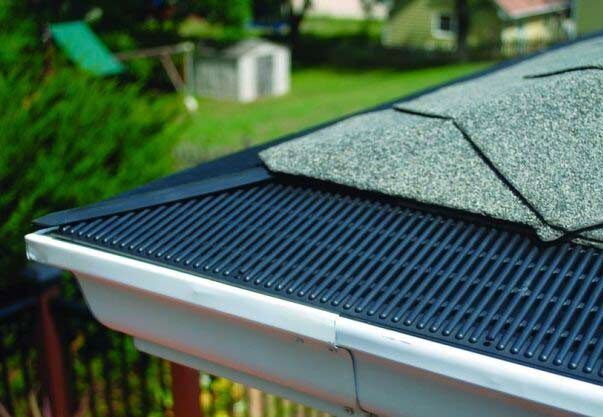
Why Gutter Guards Are One of Your Home’s Best Investments
Read More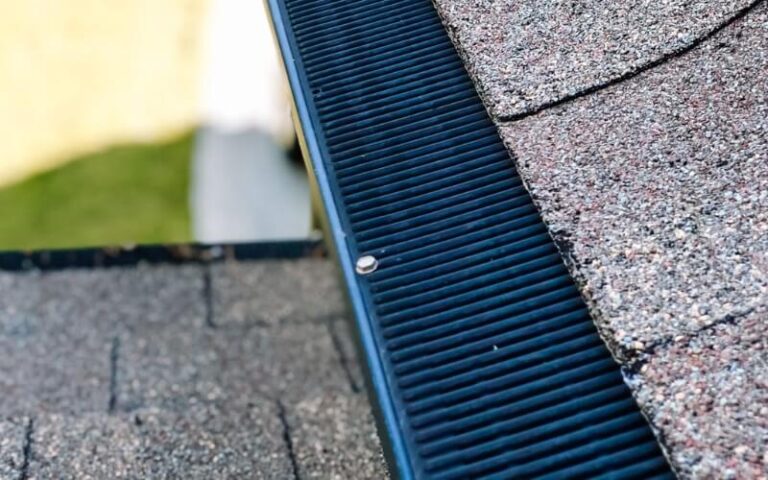
Why Should I Install RainDrop Gutter Guards?
Read More
Written by Thomas Noel
Based in Charlotte, North Carolina, Thomas Noel is a writer with more than 10 years of experience writing and editing content that helps homeowners make smart, confident decisions. He previously managed a home design site and has written about everything from eco-friendly home upgrades and smart-home products to heating and cooling solutions like HVAC systems and furnaces. He brings a practical eye and hands-on knowledge to every home improvement story he tells.