Why Gutter Guards Matter More Than Most Homeowners Realize
GuttersThomas Noel

Gutter guards aren’t just about convenience. When properly installed, they help your entire gutter system function the way it’s supposed to, protecting your roof edges, fascia, soffit, siding, and foundation from water damage. But if they are installed over failing gutters, they create a false sense of security and can actually make problems worse.
This guide explains what gutter guards actually do, how they help protect your home, what they cost, and how to decide whether they make sense for your home. If you’ve been dealing with clogged gutters, overflow damage, or are simply tired of cleaning gutters multiple times a year, understanding how gutter guards work can make this decision easier.For more information on how your gutter system protects your home, see our guide: How Gutters Protect Your Roof, Siding, and Foundation From Water Damage.
Quick Answer
Gutter guards typically cost $1,200 to $4,500 for a full home, depending on material and size. Quality systems reduce debris buildup, improve water flow during heavy rain, and lower cleaning frequency, helping prevent fascia, soffit, and foundation damage from overflow. They work best when installed on properly sloped, structurally sound gutters and still require annual inspection.
Explore Baker’s Gutter Options for Your Carolina Home
Fast and free estimates.
Related Guides
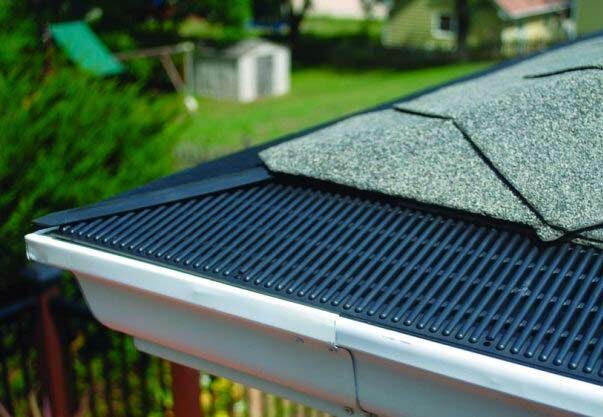
- Why Gutter Guards Are One of Your Home’s Best Investments
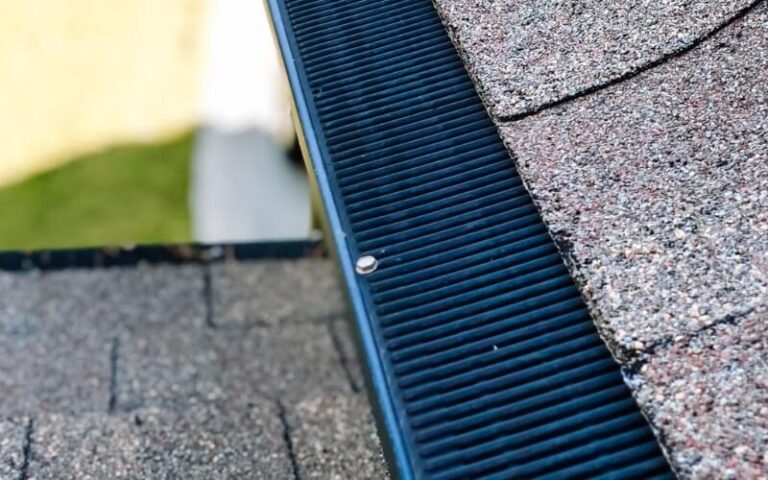
- Why Should I Install RainDrop Gutter Guards?
- How to Clean Gutter Guards
- How to Install Gutter Guards
What Gutter Guards Actually Do (And What They Don’t)
Gutter guards are designed to limit debris entry while allowing water to flow into the gutter system. Different designs accomplish this in different ways, but the goal is the same: keep gutters functional for longer periods with less maintenance.
When properly installed, gutter guards can reduce debris accumulation inside gutters, improve water flow during heavy rain, reduce overflow that damages fascia and soffit, lower the frequency of gutter cleaning, and help gutters handle storm runoff more effectively.
However, gutter guards are not a cure-all. They do not fix gutters that are improperly sloped, repair rotted fascia or soffit, correct undersized gutter systems, eliminate the need for inspections, or prevent all maintenance forever.
Gutter guards work best as part of a sound gutter system, not as a bandage over existing damage.
Types of Gutter Guards: Pros, Cons, and Best Uses
Not all gutter guards perform the same way. The right choice depends on debris type, roof pitch, rainfall intensity, and maintenance expectations.
Gutter Guard Types Compared
| Type | Debris Blocking | Heavy Rain Performance | Lifespan | Cost | Best For |
|---|---|---|---|---|---|
| Micro-Mesh | Excellent | Excellent | 20-25 years | $$$ | Heavy tree coverage, pine needles |
| Screen Guards | Good | Good | 10-15 years | $ | Light to moderate debris |
| Reverse-Curve | Good (large debris) | Excellent | 15-20 years | $$$ | Heavy rain, minimal fine debris |
| Foam Inserts | Poor | Poor | 2-5 years | $ | Temporary use only |
| Brush Inserts | Poor | Fair | 3-7 years | $ | Not recommended long-term |
Mesh and Micro-Mesh Guards
These systems use fine metal mesh to block debris while allowing water through.
Pros:
- Excellent for leaves and small debris
- Perform well in heavy rain
- Durable when made from stainless steel or aluminum
Cons:
- Can clog over time if not inspected
- Higher upfront cost
- Require professional installation for best performance
Best for: Homes with heavy tree coverage or mixed debris.
Screen Guards
Screen guards use perforated metal or plastic sheets with larger openings.
Pros:
- Lower cost
- Easy to install
- Prevent large debris from entering gutters
Cons:
- Allow small debris through
- Less effective during heavy rain
- Shorter lifespan for plastic versions
Best for: Light debris environments with routine inspections.
Reverse-Curve (Surface Tension) Guards
These systems use curved surfaces to direct water into the gutter while debris slides off.
Pros:
- Handle heavy rainfall well
- Shed large debris effectively
Cons:
- Can struggle with pine needles and small debris (depending on design)
- More visible from the ground
- Require precise installation
Best for: Homes without fine debris like needles or seed pods.
Foam and Brush Inserts
These products sit inside the gutter and block debris.
Pros:
- Low upfront cost
- Simple installation
Cons:
- Trap moisture
- Break down over time
- Can accelerate gutter corrosion
Best for: Short-term or temporary solutions only. Not recommended for long-term use.
RainDrop Gutter Guards: A Closer Look
RainDrop gutter guards are a specific type of reverse-curve (surface tension) system designed for performance in heavy rainfall and varied debris conditions. Unlike many surface-tension guards that struggle with fine debris, RainDrop’s design handles both large leaves and smaller particles effectively.
What Makes RainDrop Different
- Angled louvers that break surface tension and allow water to enter while debris slides off
- Self-cleaning design that works with gravity and weather
- Made from polypropylene that won’t rust, corrode, or deteriorate in UV exposure
- Designed to handle Carolina’s intense summer thunderstorms and hurricane rainfall
Performance in Carolina Conditions
RainDrop guards perform particularly well in the mixed-debris environments common throughout the Carolinas, where gutters might face oak leaves, pine needles, sweetgum pods, and pollen. The system’s design prevents the fine debris buildup that clogs many mesh-style guards over time.
For detailed information on installation and performance, see: Why Should I Install RainDrop Gutter Guards?
Are Gutter Guards Worth It? The Cost-Benefit Analysis
Whether gutter guards make financial sense depends on your specific situation, but the math is straightforward.
The Cost of Gutter Guards One-time investment:
- Basic screen system: $1,200 to $2,000 (typical home)
- Quality micro-mesh system: $1,800 to $3,500 (typical home)
- Premium systems like RainDrop: $2,500 to $4,500 (typical home)
**Return on investment:**If you’re spending $600/year on cleaning and a $2,500 system lasts 20 years, you will break even in about 4 years. Every year after that is savings. More importantly, you’ve dramatically reduced the risk of expensive water damage from gutter overflow. Clogged gutters could mean damage to the fascia, soffit, or roof itseslf on your home, and these repairs could cost tens of thousands of dollars.
When Gutter Guards Make Sense
Gutter guards are worth considering when:
- You clean gutters two or more times per year
- Your home is surrounded by trees
- You’ve experienced fascia or soffit damage from overflow
- Gutters overflow during heavy rain despite being “clean”
- Ice dams have been an issue in winter
- You want to reduce long-term maintenance risk and protect your investment
When They May Be Less Necessary
They may be less critical if:
- Your home has minimal debris exposure (open yard, few nearby trees)
- Gutters are easily accessible and you don’t mind cleaning them
- The gutter system is undersized or nearing replacement anyway (fix the underlying problem first)
- You already have a reliable, affordable gutter cleaning service
What Gutter Guard Installation Typically Costs
Costs vary based on material, home size, and complexity.
Typical ranges:
- Basic screen systems: $3 to $7 per linear foot
- Micro-mesh systems: $7 to $15 per linear foot
- Full-home installations: $1,200 to $3,500+
- Multi-story or complex rooflines may exceed these ranges
Installation during a gutter replacement or a roof project often reduces labor costs, since access equipment is already in place.
When Gutter Guards Should Be Installed
Timing matters for gutter guard installation. The best time to install gutter guards is when other roof-edge work is already planned, which saves on labor costs and ensures all components work together properly.
Ideal Installation Timing During gutter replacement: If you’re replacing gutters anyway, adding guards at the same time makes sense. Contractors can ensure proper slope, secure attachment, and integration between gutters and guards.
During roof replacement: Roof projects already involve scaffolding, access equipment, and work at the roof edge. Installing gutter guards during roof replacement eliminates the need for separate setup and ensures guards work properly with new drip edge and flashing.
When repairing fascia or soffit damage: If you’re addressing water damage to fascia or soffit, installing gutter guards afterward helps prevent the same problem from recurring.
Why Installing Guards Over Failing Systems Doesn’t Work
Installing guards on damaged gutters, rotted fascia, or improperly sloped gutter systems often leads to disappointment. Guards work best when the entire system is sound. If your gutters are already sagging, leaking at seams, or attached to rotted fascia, those problems need to be fixed first.
Gutter guards can’t compensate for:
- Undersized gutters that overflow even when clean
- Improper gutter slope that causes standing water
- Rotted fascia that can’t support the gutter system
- Missing or clogged downspouts
- Inadequate number of downspouts for roof size
Address these issues before installing guards for best long-term performance.
Common Gutter Guard Mistakes to Avoid
Even quality gutter guards fail when installed incorrectly or on systems that aren’t ready for them.
Installing Guards Over Damaged Gutters
Gutter guards can’t fix existing problems. If your gutters are already sagging, corroded, or leaking, guards will only hide the issues temporarily. The underlying problems will continue to worsen, and you’ll have wasted money on guards that can’t perform properly.
Choosing the Cheapest Option for Heavy Debris
Foam and brush inserts cost $3 to $5 per linear foot and seem like an affordable solution. In practice, they trap moisture, break down within 2-5 years, and can actually accelerate gutter corrosion. For heavy tree coverage, investing in quality mesh or reverse-curve guards saves money long-term.
Ignoring Gutter Slope and Downspout Issues
Guards don’t fix drainage problems. If your gutters don’t slope properly toward downspouts, water will pool even with guards installed. If you don’t have enough downspouts for your roof size, overflow will continue.
Skipping Professional Installation
DIY gutter guard installation can work for simple systems and experienced homeowners, but professional installation ensures proper attachment, correct positioning, and integration with existing roofing components. Improperly installed guards can void gutter warranties, damage shingles, or fail during the first heavy storm.
Assuming Guards Eliminate All Inspections
Even with guards, gutters need periodic inspection. Debris can accumulate on top of guards, roof valleys can wash material onto guards, and heavy storms can dislodge improperly secured systems. Annual inspections catch small problems before they become expensive repairs.
Maintenance Expectations (Even With Gutter Guards)
No gutter guard system is truly maintenance-free, despite what some marketing claims. However, guards dramatically reduce maintenance frequency and difficulty.
*What Maintenance Looks Like With Gutter Guards *Annual inspection (15-30 minutes):**Walk around your home and visually check that water flows freely during rain, guards are securely attached, no visible debris buildup is blocking flow, and downspouts are draining properly.
**Periodic debris removal (1-2 times per year):**Brush or blow off any leaves, pine needles, or debris sitting on top of guards. This is far easier than digging debris out of gutters and usually takes 10-15 minutes.
**Valley and roof penetration checks (after major storms):**Roof valleys, chimneys, and skylights can wash debris onto guards below. Check these areas after hurricanes, heavy thunderstorms, or major weather events.
**Downspout flushing (as needed):**Small debris that makes it through guards occasionally collects in downspouts. Flush downspouts with a hose once or twice a year to ensure clear flow.
Frequently Asked Questions (FAQs) About Gutter Guards
Do gutter guards work in heavy rain?
Yes, quality systems handle heavy rain well. Micro-mesh and reverse-curve (surface tension) designs like RainDrop are specifically engineered for high-volume rainfall. The key is proper installation and ensuring your gutter system is sized appropriately for your roof area. Carolina’s intense summer thunderstorms can dump 2-3 inches of rain in an hour, and guards help gutters handle that volume by keeping the channel clear.
- Are gutter guards good for pine needles?***
Micro-mesh systems and well-designed reverse-curve guards like RainDrop perform best with pine needles. Guards with larger openings (basic screens, foam, brushes) often allow pine needles through or let them accumulate and mat on the surface. If you have pine trees near your home, invest in a system specifically designed to handle fine debris.
- Can gutter guards cause ice dams?***
Improperly installed systems that block airflow or create raised edges can contribute to ice dam formation. However, ice dams are primarily caused by poor attic insulation and ventilation, not gutter guards. When guards are installed correctly and your attic is properly ventilated, they shouldn’t cause ice dam problems. In fact, by keeping gutters clear, guards can help reduce ice dam risks.
- Do gutter guards damage roofs?***
When professionally installed, quality gutter guards do not damage roofs or shingles. Improper installation, driving screws through shingles, lifting roof edges, or blocking proper water flow, can cause problems. This is why professional installation matters, especially for systems that attach under shingles or to roof edges.
- Are gutter guards worth the cost?***
For most Carolina homeowners with trees nearby, yes. If you’re spending $300 to $600 annually on gutter cleaning, a quality guard system pays for itself in 3-5 years. More importantly, guards reduce the risk of water damage from gutter overflow, fascia rot, soffit damage, foundation issues, that cost thousands to repair. The value isn’t just in avoiding cleaning; it’s in protecting your home.
- What’s the best type of gutter guard?***
It depends on your specific situation. Micro-mesh is a good option for heavy tree coverage and fine debris. Reverse-curve systems like RainDrop handle high-volume rainfall and mixed debris well. Screen guards work for moderate debris with regular inspections. Avoid foam and brush inserts for long-term use. The best system is one that’s appropriate for your debris type, properly installed, and backed by a solid warranty.
- How long do gutter guards last?***
Quality metal mesh or reverse-curve guards typically last 15-25 years with minimal maintenance. Lower-cost plastic screens may last 10-15 years. Foam and brush inserts need replacement every 2-5 years. Lifespan depends on material quality, installation, and local weather conditions.
- Can I install gutter guards myself?***
Some systems are DIY-friendly, especially snap-on or slide-under designs. However, professional installation ensures proper integration with your roof, correct positioning for optimal water flow, and warranty protection. For two-story homes, steep roofs, or complex gutter systems, professional installation is safer and more reliable.
Gutter Guards Offer Protection, Not Just Convenience
Gutter guards aren’t about making your life easier; they’re about protecting one of your home’s most critical water management systems. When gutters fail, the consequences spread quickly: rotted fascia, damaged soffits, stained siding, foundation cracks, basement moisture, and even roof leaks near exterior walls.
The right gutter guard system, properly installed on a sound gutter system, reduces these risks while cutting maintenance time and costs. Whether gutter guards make sense for your home depends on your specific situation, tree coverage, debris type, maintenance preferences, and budget. But for most Carolina homeowners dealing with seasonal leaf drop, pine needles, and intense summer storms, quality gutter guards represent a smart investment in long-term home protection.
Baker Home Exteriors evaluates your complete gutter system, not just whether guards make sense in isolation. Our teams can assess drainage patterns, fascia condition, gutter slope, downspout placement, and water flow to recommend solutions that actually protect your home for the long term. We install RainDrop gutter guard systems designed specifically for Carolina’s challenging debris and rainfall conditions.
Schedule a gutter inspection to understand what your home needs and whether gutter guards are the right solution for you.
Why Gutter Guards Are One of Your Home’s Best Investments
Read More
Why Should I Install RainDrop Gutter Guards?
Read More
Gutter Repairs: When Do I Call A Professional?

Written by Thomas Noel Based in Charlotte, North Carolina, Thomas Noel is a writer with more than 10 years of experience writing and editing content that helps homeowners make smart, confident decisions. He previously managed a home design site and has written about everything from eco-friendly home upgrades and smart-home products to heating and cooling solutions like HVAC systems and furnaces. He brings a practical eye and hands-on knowledge to every home improvement story he tells.