How Raleigh’s Climate Shapes Your Home’s Exterior Needs
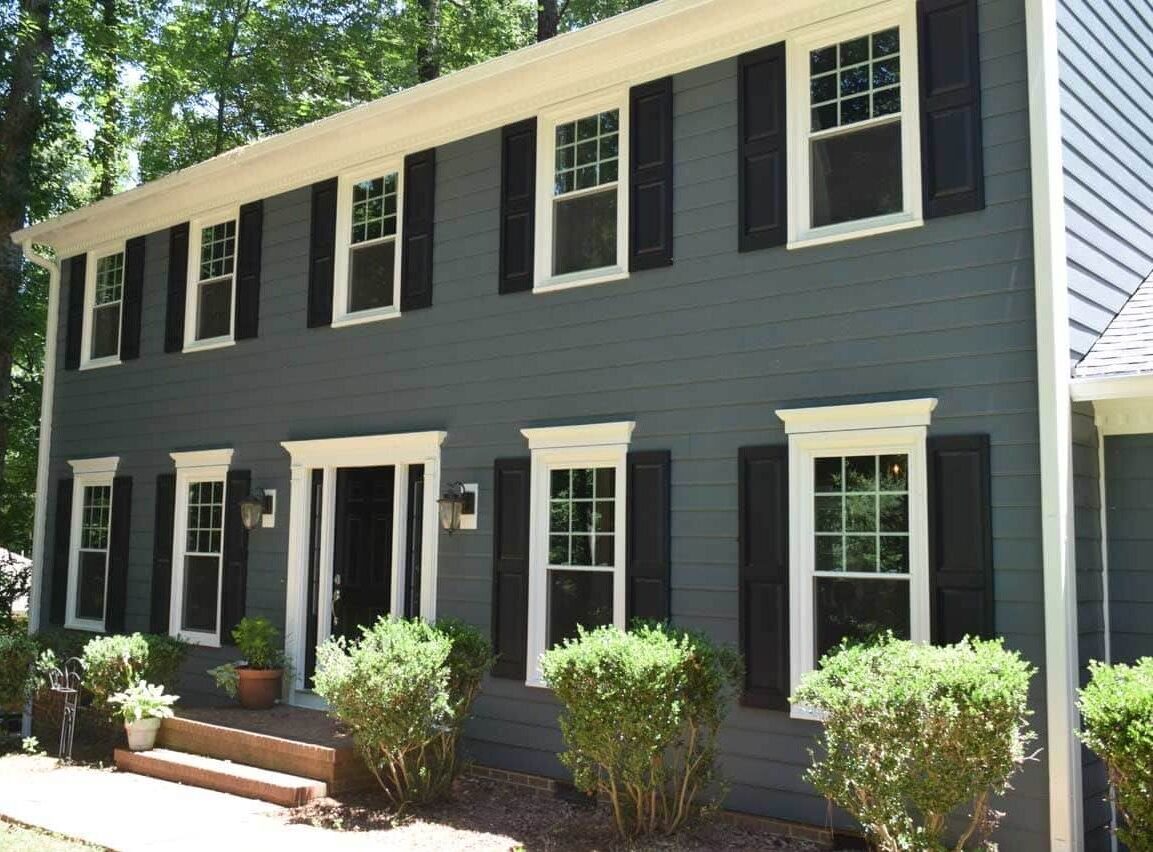
Raleigh’s climate directly influences how long your roof lasts, how well your siding performs, and how effectively your gutters protect your home. The region experiences hot, humid summers, frequent thunderstorms, steady annual rainfall, and mild winters with periodic temperature swings. While Raleigh does not face the constant hurricane exposure of coastal cities or the heavy snow of mountain regions, its combination of heat, moisture, and seasonal storms creates steady pressure on exterior materials.
Exterior systems rarely fail because of a single dramatic event. In most cases, they deteriorate slowly from exposure to humidity, ultraviolet radiation, wind, and water intrusion. Over time, those forces shorten material lifespan, weaken seals, and expose vulnerable roof edges. Understanding how Raleigh’s climate affects your home allows you to make smarter maintenance decisions and choose materials designed for local conditions.
This guide breaks down what defines the Raleigh climate and explains how those weather patterns shape roofing, siding, gutters, ventilation, and overall exterior performance.
Quick Answer
Raleigh’s hot summers and heavy storms put a lot of stress on your home. High heat can make roof shingles brittle, while heavy rain can cause gutters to overflow and rot your wood trim.
To keep your home safe, you need a roof that breathes well and gutters sized to handle big North Carolina downpours. Taking care of small issues now prevents expensive repairs later.
Need Help with Your Raleigh Home?
If you live in the Raleigh area, our local team can help you identify hidden wear before it becomes a costly repair.
Fast and free estimates.
Related Guides
What Defines Raleigh’s Climate?
Raleigh has a humid subtropical climate with long, warm summers, moderate winters, and humidity that stays elevated for much of the year. Average summer highs regularly reach the upper 80s and low 90s. Annual rainfall is typically between 41 and 50 inches, often delivered in intense bursts during thunderstorms rather than steady, manageable rain.
Spring and summer bring frequent pop-up storms capable of producing strong wind gusts and localized hail. Late summer and early fall occasionally see the remnants of tropical systems moving inland from the coast, delivering prolonged rain and saturated ground conditions. Winters are generally mild but include periodic freeze-thaw cycles that affect roof edges and exterior trim.
The Triangle has also grown rapidly over the past two decades, which means the area’s housing stock spans everything from century-old bungalows in historic neighborhoods like Five Points and Oakwood to new construction in fast-growing suburbs like Apex, Cary, and Morrisville.
Older homes face climate stress on aging materials; newer homes face it during the critical first years when installation quality gets tested. Raleigh’s climate puts steady pressure on all of it.
What Defines Raleigh’s Climate?
Raleigh has a humid subtropical climate with long, warm summers, moderate winters, and humidity that stays elevated for much of the year. Average summer highs regularly reach the upper 80s and low 90s. Annual rainfall is typically between 41 and 50 inches, often delivered in intense bursts during thunderstorms rather than steady, manageable rain.
Spring and summer bring frequent pop-up storms capable of producing strong wind gusts and localized hail. Late summer and early fall occasionally see the remnants of tropical systems moving inland from the coast, delivering prolonged rain and saturated ground conditions. Winters are generally mild but include periodic freeze-thaw cycles that affect roof edges and exterior trim.
The Triangle has also grown rapidly over the past two decades, which means the area’s housing stock spans everything from century-old bungalows in historic neighborhoods like Five Points and Oakwood to new construction in fast-growing suburbs like Apex, Cary, and Morrisville. Older homes face climate stress on aging materials; newer homes face it during the critical first years when installation quality gets tested. Raleigh’s climate puts steady pressure on all of it.
How Raleigh’s Heat and Humidity Affect Your Roof
Ultraviolet Exposure and Shingle Aging
High temperatures combined with direct sun exposure gradually dry out asphalt shingles. As the asphalt loses flexibility, shingles become more brittle. This often shows up first as granule loss, especially along roof edges and high-exposure slopes. Those granules aren’t just texture — they protect the asphalt layer beneath from UV damage. Once that surface begins wearing away, shingles age more rapidly.
Roofs that receive full sun exposure throughout the day may age faster than those shaded by mature trees. However, shaded roofs often retain more moisture, which introduces its own set of risks. Managing both heat exposure and moisture is the ongoing challenge for Raleigh roofs.
Architectural shingles hold up better than basic three-tab shingles in this environment. They’re thicker, more resistant to wind uplift, and better suited to the heat and moisture cycle Raleigh dishes out year after year. Impact-resistant shingles can add another layer of resilience during the hail events that pop up in spring and early summer.
Attic Heat Buildup and Ventilation
Raleigh’s long summers make attic ventilation one of the most important (and most overlooked) aspects of roof performance. Without proper airflow, attic temperatures can run 20 to 40 degrees hotter than outdoor air. That trapped heat accelerates shingle aging from below while also driving up cooling costs inside the home.
Humidity also makes the problem worse. Warm, moist air rising into a poorly ventilated attic can condense on roof decking and rafters. Over time, that hidden moisture contributes to mold growth and structural deterioration that often isn’t visible until significant damage has already occurred.
Balanced ventilation with soffit intake vents paired with ridge or gable exhaust vents allows heat and moisture to escape before they do damage. In Raleigh’s climate, proper ventilation isn’t just an energy efficiency upgrade. It’s a basic durability requirement.
Metal Roofing in Raleigh’s Climate
Metal roofing handles Raleigh’s climate in a distinct way. Its reflective surface reduces heat absorption, which helps regulate attic temperatures during summer. Metal panels also shed water quickly during heavy rain events, which matters in a market that regularly sees intense downpours. The upfront cost is higher than asphalt, but metal’s longevity and low maintenance requirements make it a strong long-term option for homeowners who plan to stay in their home for the long haul.
Thunderstorms, Wind, and Hail in Raleigh
Raleigh’s storm activity is consistent rather than catastrophic. Late afternoon thunderstorms are a near-daily occurrence in summer. While not every storm causes visible damage, repeated wind exposure gradually weakens vulnerable roof components in ways that aren’t always obvious until the next storm hits harder.
Wind Uplift and Seal Failure
Shingles rely on adhesive seals to resist wind uplift. Sustained winds of 40–50 mph can loosen shingles that are already aging or were improperly sealed at installation. Once a seal breaks, even if the shingle stays in place, it becomes more vulnerable during subsequent storms. Ridge caps and eave edges are particularly susceptible because they experience higher wind pressure than field shingles.
Hail Impact
Hail in Raleigh is generally moderate, but even small hailstones can bruise asphalt shingles in ways that aren’t visible from the ground. These impacts compromise the granule layer and expose asphalt to accelerated UV degradation. Damage often goes unnoticed until months later when shingles begin deteriorating ahead of schedule.
A professional inspection after any significant hail event is worth the time. Catching damage early prevents what would have been a simple repair from becoming a full replacement conversation.
Raleigh’s Rainfall and Its Impact on Gutters
Water management is one of the most important aspects of exterior protection in Raleigh. With annual rainfall approaching 50 inches and frequent intense downpours, gutters have to handle serious water volume in short windows of time.
When gutters are clogged or undersized, water spills over the front edge or runs behind the system entirely. That overflow saturates fascia boards first. Repeated moisture exposure softens wood fascia and eventually causes gutters to pull away from the roofline. What starts as a clogged gutter becomes a fascia replacement and a re-hanging job.
Heavy rain also increases pressure around foundations. When downspouts discharge too close to the house, water accumulates near crawl spaces and can lead to soil erosion and moisture intrusion over time.
Raleigh’s mature tree canopy is part of what makes neighborhoods like North Hills, Fallon Park, and Five Points so appealing. It also means gutters fill up faster with all those oak leaves, pine needles, and sweet gum pods. Homes with significant tree cover need either more frequent cleaning or a protective system that reduces how often they’re dealing with it.
Properly sized gutters and clear downspouts are essential. For homes with consistent debris exposure, high-quality gutter guards reduce maintenance frequency and lower overflow risk considerably. Baker installs RainDrop® gutter guards, which are built for high water flow and designed to keep debris out without restricting drainage.
Freeze-Thaw Cycles and Roof Edges
Raleigh winters are mild enough that freeze-thaw cycles don’t get much attention, but they can still make an impact. Temperature fluctuations around freezing are common from December through February, and those cycles create repeated expansion and contraction in roofing materials and flashing.
When moisture gets into small cracks at the roof edge and then freezes, it expands. Repeated cycles widen those gaps and weaken seals over time. This can cause flashing separation and minor ice dam formation at the eaves.
Proper insulation and ventilation reduce the risk by keeping roof temperatures more consistent. Drip edge and quality underlayment at the eaves are the last line of defense. In Raleigh’s climate, these details don’t get tested as dramatically as in colder markets — but when they do get tested, they matter.
How Raleigh’s Climate Impacts Siding
Raleigh’s humidity can put a lot of stress on your home’s siding.
Persistent moisture promotes algae, mold, and mildew growth, particularly on north-facing or shaded areas that don’t dry out quickly after rain. Surface growth is often dismissed as a cosmetic issue, but it signals prolonged moisture exposure. Left unaddressed, it contributes to paint failure and, eventually, siding degradation beneath the surface.
Wood siding and trim require consistent upkeep in this climate. Once paint or sealant begins to fail, moisture works into joints and edges. If that’s not caught early, rot spreads in ways that aren’t visible from the outside until it’s already a significant problem.
Fiber cement siding, like James Hardie, handles Raleigh’s humidity well. It resists moisture, insects, and the kind of expansion and contraction that causes joints to open up over time. Properly installed vinyl siding also performs well but needs room to expand during summer heat. In either case, installation technique matters as much as material choice. A good product installed poorly won’t hold up any better than a cheaper one.
Trees, Debris, and Raleigh’s Neighborhood Conditions
Raleigh’s tree canopy is beautiful and adds shade and character to neighborhoods throughout the area. It can also add a lot of exterior maintenance.
Branches that contact shingles during storms wear down granules and can damage flashing. Debris accumulation in gutters happens faster in wooded areas and increases the risk of overflow and fascia damage. Homes in heavily treed neighborhoods like Boylan Heights can require more proactive maintenance than homes in open subdivisions.
This isn’t a reason to avoid trees. It’s a reason to account for them in your maintenance schedule and, in some cases, your material and system choices.
Seasonal Maintenance That Fits Raleigh’s Climate
Preventive maintenance is the most effective way to keep your home’s exterior working like it should. The goal is to catch issues early, before a gradual deterioration becomes an emergency repair.
A spring inspection covers storm-related wear from winter and sets the roof and gutters up for summer. A late-summer or early-fall check identifies anything that needs attention before tropical storm season peaks. Clearing gutters after leaf drop prevents winter drainage problems. Checking attic ventilation before peak summer heat ensures airflow is doing its job.
In Raleigh, most exterior damage builds slowly and quietly. Homeowners who stay ahead of it tend to spend less overall and avoid the unpleasant surprise of discovering a problem that’s been developing for two or three seasons.
Frequently Asked Questions (FAQs) About Raleigh’s Climate
It can, particularly when attic ventilation isn’t working like it should. Heat and moisture trapped beneath the roof deck accelerate shingle aging from below. A well-ventilated attic significantly reduces that risk and extends roof life.
Are tropical storms a real concern for Raleigh homeowners?
Direct landfalls don’t reach Raleigh, but the remnants of tropical systems regularly move inland and bring prolonged heavy rain and elevated wind. These events put real stress on gutters, roof edges, and drainage systems.
How often should Raleigh homeowners have their roof inspected?
At least once a year, and after any significant storm. Professional inspections catch things that aren’t visible from the ground or obvious inside the home.
What siding materials hold up best in Raleigh’s climate?
Fiber cement and properly installed vinyl both perform well. Fiber cement is particularly well-suited to humid conditions. Wood siding can work, but it requires more consistent maintenance to stay ahead of moisture-related issues.
Protecting Your Raleigh Home Starts with Knowing Your Climate
Raleigh’s climate is defined by steady heat, humidity, rainfall, and seasonal storms. Those conditions aren’t extreme in isolation, but together they can wear exterior systems down over time.
Roofs age faster without proper ventilation. Gutters overflow during intense downpours. Fascia and soffit weaken under repeated moisture exposure. Siding weathers differently in a humid climate than in a dry one. The homes that hold up best aren’t necessarily built with the most expensive materials, they’re built and maintained with local conditions in mind.
Baker Home Exteriors has protected North Carolina homes for more than 110 years. Our Raleigh team knows how the Triangle’s weather patterns affect every exterior system. If you’d like a climate-focused exterior evaluation, request a free inspection and we’ll make sure your home is ready for whatever the seasons bring.

110 Years Strong: Baker Home Exteriors’ Legacy in Raleigh
Read More
Best Siding Options for Raleigh Homes
Read More
Is James Hardie Siding Worth It? A Complete Transformation in Apex, NC
Read More
Written by Thomas Noel
Based in Charlotte, North Carolina, Thomas Noel is a writer with more than 10 years of experience writing and editing content that helps homeowners make smart, confident decisions. He previously managed a home design site and has written about everything from eco-friendly home upgrades and smart-home products to heating and cooling solutions like HVAC systems and furnaces. He brings a practical eye and hands-on knowledge to every home improvement story he tells.