Roof Damage Action Plan: How to Respond to Leaks, Hail, Wind, and Storm Damage
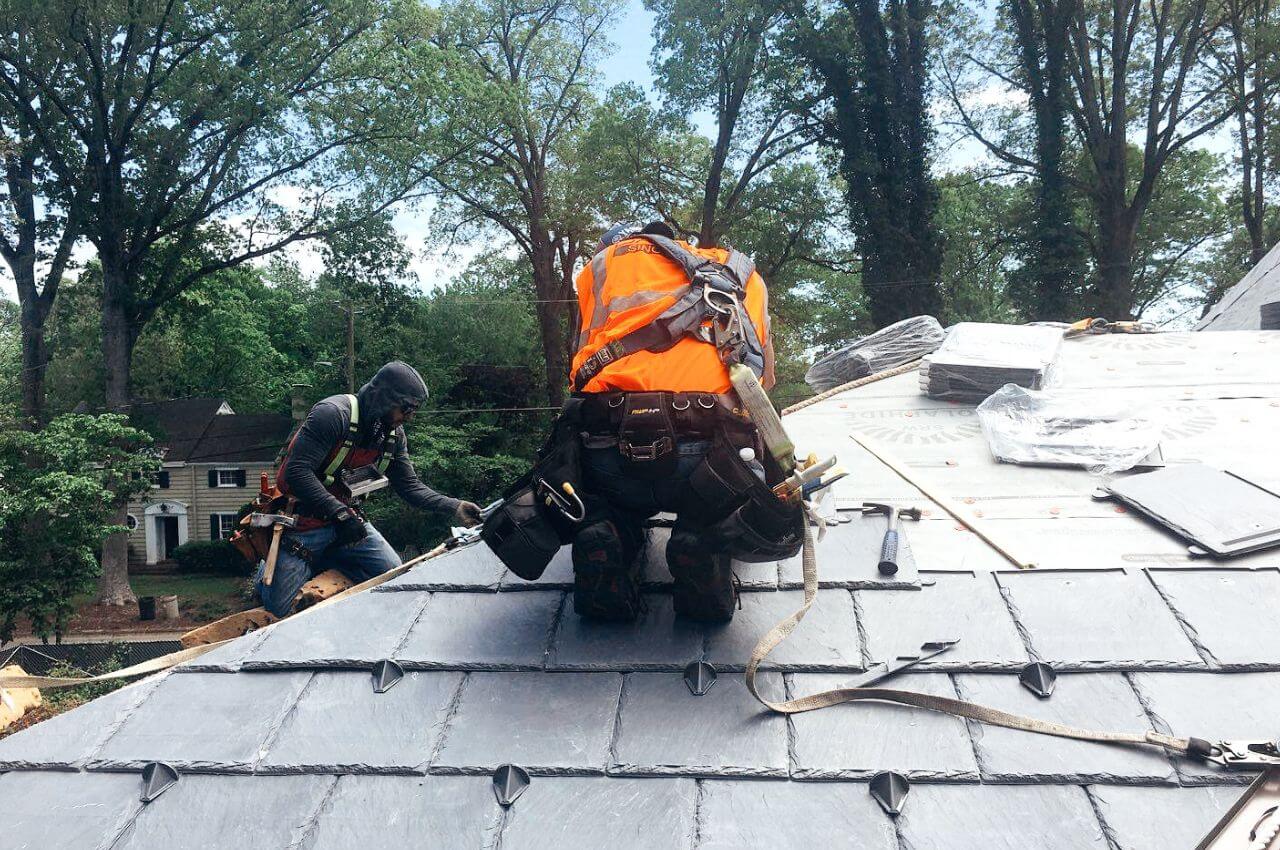
Roof damage isn’t always obvious. A small ceiling stain, a few missing shingles after a storm, or a slow drip in the attic may seem minor at first. But even small roof damage can escalate quickly if it isn’t addressed.
Water spreads fast once it enters your home. Moisture trapped inside walls or insulation can lead to mold, rot, and structural damage long before the problem becomes visible from the outside. Knowing what to do—and when to call professionals—can help you protect your home and avoid expensive repairs.
This action plan walks through how to recognize roof damage, what steps to take immediately after discovering problems, and how to decide whether repair or replacement makes the most sense. Whether you’re dealing with storm damage, a sudden leak, or concerns after severe weather, this guide gives you a clear path forward.
Quick Answer
If you notice roof damage, look for active leaks, ceiling stains, or damp insulation and take photos from inside your home and from the ground outside. If water is entering, catch drips and move belongings, but do not climb onto the roof.
Check your attic for wet insulation or visible daylight through the roof deck. Schedule a professional inspection promptly, since even minor roof damage can worsen quickly once water gets inside.
Explore Baker’s Roof Repair Options
If you live in North or South Carolina, Baker likely offers expert repair work in your area.
Fast and free estimates.
Related Guides
- Top 4 Signs of Hail Damage Beyond Your Roof
- 8 Things to Check Before Hiring a Local Roofing Contractor After a Storm
- Does Home Insurance Cover Roof Damage? What You Need to Know
- How to Tell if Your Roof Has Hail Damage
- 5 Common Pests That Cause Roof Damage
- The Truth About Post Storm Roofing Work and Insurance Claims
Why You Need to Act Quickly
Roof damage almost always gets worse with time. What starts as a small leak can soak insulation, weaken roof decking, stain ceilings, and create conditions for mold growth. Wind-lifted shingles can allow water intrusion even if they look mostly intact from the ground.
Taking action doesn’t always mean immediate replacement. In many cases, making early repairs can prevent larger, more expensive problems. The key is understanding when damage is urgent and when it can safely wait for scheduled repairs.
Common Signs of Roof Damage
Some roof damage is obvious, while other issues develop quietly. Pay attention to both exterior and interior warning signs.

Exterior Signs of Roof Damage
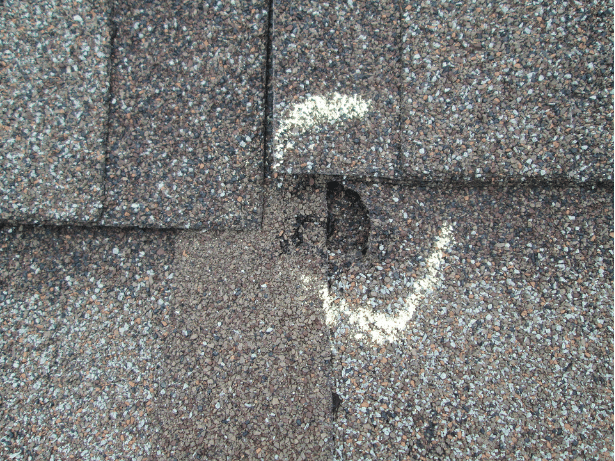
- Missing, cracked, or curled shingles
- Shingles lifted along edges or ridge lines
- Granules collecting in gutters or downspouts
- Bent or detached flashing around chimneys, vents, or skylights
- Dents or impact marks after hail
- Sagging areas along rooflines
- Daylight visible through roof boards from the attic
If you notice any of these signs after a storm, you should schedule a roof inspection soon.
Interior Signs of Roof Damage
- Water stains on ceilings or walls
- Dripping water or damp insulation in the attic
- Musty odors near ceilings or upper floors
- Bubbling or peeling paint on ceilings
- Sagging drywall
- Visible mold growth in attic spaces
Interior symptoms often indicate that damage has already progressed beyond the surface and requires immediate attention.
What to Do Immediately After You Notice Damage
When you discover roof damage, your first priority is minimizing additional harm to your home.
If water is entering the home, place buckets or containers to catch drips and move valuables, furniture, and electronics away from affected areas. If water is near electrical outlets or fixtures, turn off power to those areas at your breaker box.
Avoid climbing onto the roof yourself, especially after storms, when surfaces may be slippery, structurally damaged, or hidden under debris. Even inspecting from a ladder can be dangerous if you’re not experienced with roof access.
Document what you can safely see from the ground or inside the home. Take photos and notes with timestamps to establish when damage occurred and what conditions were present. This documentation will be valuable for insurance claims and contractor estimates.
Temporary measures such as tarping may be appropriate in some situations, but these should be handled by professionals to avoid injury or causing additional damage to the roof structure.
Emergency Response: First 24 Hours
If you discover active roof damage, especially during or after a storm, follow this timeline:
Immediate (Within 1 Hour)
- Stop water intrusion if safe to do so (buckets, towels, moving items)
- Turn off electricity in affected areas if water is near outlets or fixtures
- Document visible damage with photos from inside the home
- Contact your insurance company to report the damage and start a claim
Within 24 Hours
- Schedule a roof inspection done by a licensed professional
- Document exterior damage with photos from ground level only; never climb on the roof yourself
- Check your attic for water leaks, wet insulation, or daylight visible through the roof deck
- Contact an emergency roofing service for temporary repairs or tarping if water is actively entering your home.
Within 1 Week
- Get written inspection reports and detailed repair estimates
- Review your insurance policy and file a formal claim if appropriate
- Make temporary repairs if needed to prevent further damage while waiting for permanent fixes
- Schedule permanent repairs with a licensed, insured roofing contractor
Common Causes of Roof Damage
Roof damage can come from many sources. Identifying the cause helps determine how serious the issue is and what type of repair is needed.
Wind Damage
High winds can lift shingles, break seals, and expose underlayment even without tearing shingles off completely. Wind gets under loose or aging shingles and creates uplift that breaks the adhesive bond. Ridge caps and roof edges are especially vulnerable because they catch the most wind force.
Signs of wind damage include:
- Shingles that appear lifted or creased
- Missing shingles in scattered patterns
- Torn or displaced ridge caps
- Exposed underlayment or roof deck
Even minor wind damage can allow water to seep under remaining shingles, so it should be inspected promptly after storms with sustained winds above 40 mph.
Hail Damage
Hail impacts can bruise asphalt shingles, knock off protective granules, and create fractures that aren’t immediately visible but allow water intrusion over time. Unlike wind damage that’s often obvious, hail damage can be subtle, especially on architectural shingles where the texture hides impact marks.
Signs of hail damage include:
- Dark spots or divots where granules have been knocked off
- Cracked or split shingles
- Dents in metal flashing, vents, or gutters
- Soft spots on shingles that feel like bruises when pressed
- Random impact patterns across the roof surface
Even if shingles don’t appear torn or missing, hail damage can significantly shorten a roof’s lifespan by compromising the protective granule layer. Learn how to tell if your roof has hail damage and what signs to look for beyond the roof itself.
Water and Leak Damage
Leaks often originate around flashing, valleys, chimneys, skylights, or roof penetrations where different materials meet. Improperly sealed areas or aging caulk allows water to follow framing and infiltrate the home far from the actual source.
Common leak sources include:
- Failed flashing around chimneys or vents
- Cracked or missing caulk around skylights
- Ice dams that force water under shingles
- Clogged gutters causing water backup
- Valley failures where two roof planes meet
Water damage can spread through insulation and wood framing before becoming visible inside the home. By the time you see stains on your ceiling, significant hidden damage may have already occurred.
Tree and Debris Impact
Falling branches can puncture roofing materials, damage the roof deck beneath, or knock shingles loose even without creating visible holes. Small impacts may only compromise waterproofing layers or create weak spots that fail later.
Impact damage risks include:
- Immediate punctures requiring emergency repairs
- Cracked or fractured shingles that leak gradually
- Dented or displaced flashing
- Damaged gutters that no longer drain properly
- Debris accumulation that traps moisture
Trees don’t need to fall completely to cause damage. Even dead branches dropping during storms can crack shingles or damage underlayment.
Animal and Pest Damage
Animals can tear shingles looking for entry points, chew through wooden roof decking, or create openings that allow both water and more pests inside the home. Squirrels, raccoons, birds, and insects all cause distinct types of damage.
Common pest damage includes:
- Torn or displaced shingles near roof edges
- Holes chewed through soffits or fascia
- Damaged roof vents
- Bird nests blocking drainage paths
- Insect damage to wooden roof structures
See our guide to 5 common pests that cause roof damage to identify what might be affecting your roof and how to address it.
How Severe Is Your Roof Damage?
Not all roof damage requires the same level of urgency. Understanding how severe the damage is to your roof helps you prioritize repairs appropriately.
Not all roof damage requires immediate replacement, but functional damage, or anything that allows water into the house or compromises structural integrity, always requires immediate attention.
If damage involves active leaks, sagging areas, or widespread shingle failure, the issue is urgent. Minor damage on a newer roof may allow for repair rather than replacement, but it should still be inspected by a professional.
Roof Damage by Cause
Understanding what different types of damage look like helps you communicate clearly with contractors and insurance adjusters.
| Cause | What It Looks Like | Where to Check | When It Happens |
| Wind Damage | Lifted, torn, or missing shingles; exposed underlayment | Roof edges, ridge caps, valleys | During/after high winds (40+ mph) |
| Hail Damage | Dents, bruises, granule loss, cracked shingles | Entire roof surface, especially slopes facing storm | During hailstorms; may not be visible immediately |
| Water Leaks | Stains, dripping, damp insulation, mold | Flashing areas, valleys, chimneys, skylights | After heavy rain, ice dams, or aging seals |
| Tree Impact | Punctures, crushed areas, torn panels | Where branches contact roof | During storms, high winds, or dead tree failure |
| Pest Damage | Torn shingles, entry holes, chewed wood | Roof edges, soffits, vents | Year-round; more common in wooded areas |
What You Should Not Do After Discovering Roof Damage
Knowing what to avoid is just as important as knowing what to do.
Don’t Delay Documentation
Take photos and notes as soon as you notice damage. Waiting weeks can make it harder to prove when damage occurred, which matters for insurance claims. Document both the roof and any interior water damage.
Don’t Climb on the Roof Yourself
Damaged roofs are unstable and dangerous, especially after storms when surfaces may be wet, covered in debris, or structurally weak. Leave inspections to professionals with proper safety equipment and insurance.
Don’t Ignore Small Leaks
What seems like a minor drip can cause thousands of dollars in hidden damage to insulation, framing, and drywall. Address leaks quickly, even if they seem insignificant or only happen during heavy rain.
Don’t Accept Door-to-Door Offers After Storms
Storm chasers often pressure homeowners into quick decisions and subpar work, then disappear when problems arise. Take time to properly vet contractors. Review our guide on 8 things to check before hiring a local roofing contractor after a storm.
Don’t Make Major Repairs Before Insurance Inspection
While emergency tarping to stop active leaks is fine, making permanent repairs before your insurance adjuster inspects may affect your claim coverage. Document everything and get approval from your insurer before proceeding with major work.
Don’t Wait Weeks to Call a Professional
Even if damage seems minor, getting a professional assessment quickly helps you understand the scope of the problem and prevents it from getting worse. Many roofing companies offer free inspections after storms.
Repair vs. Replacement: How to Decide
Deciding whether to repair or replace depends on several factors:
- Age of the roof
- Extent and location of damage
- Roofing material type
- History of previous repairs
- Cost comparison between repair and replacement
A newer roof with localized damage is often a good candidate for repair. A patch of missing shingles or damaged flashing can be fixed without replacing the entire roof, especially if the rest of the roof is in good condition.
Older roofs with recurring issues or widespread damage may be better served by replacement. If your roof is already 15–20 years old and has multiple problem areas, investing in repairs may only buy a few more years before replacement becomes necessary anyway.
For a complete comparison of factors to consider, see our guide on roof repair vs. replacement.
What a Professional Roof Inspection Covers
A professional inspection looks beyond visible damage to assess your roof’s overall condition.
Inspectors examine:
- Shingles or metal panels for cracks, missing pieces, or wear
- Flashing around chimneys, vents, and skylights
- Roof penetrations and their seals
- Gutters and drainage paths
- Ridge caps and roof edges
- Underlayment condition (where visible)
- Attic conditions, ventilation, and moisture levels
- Structural integrity of roof decking
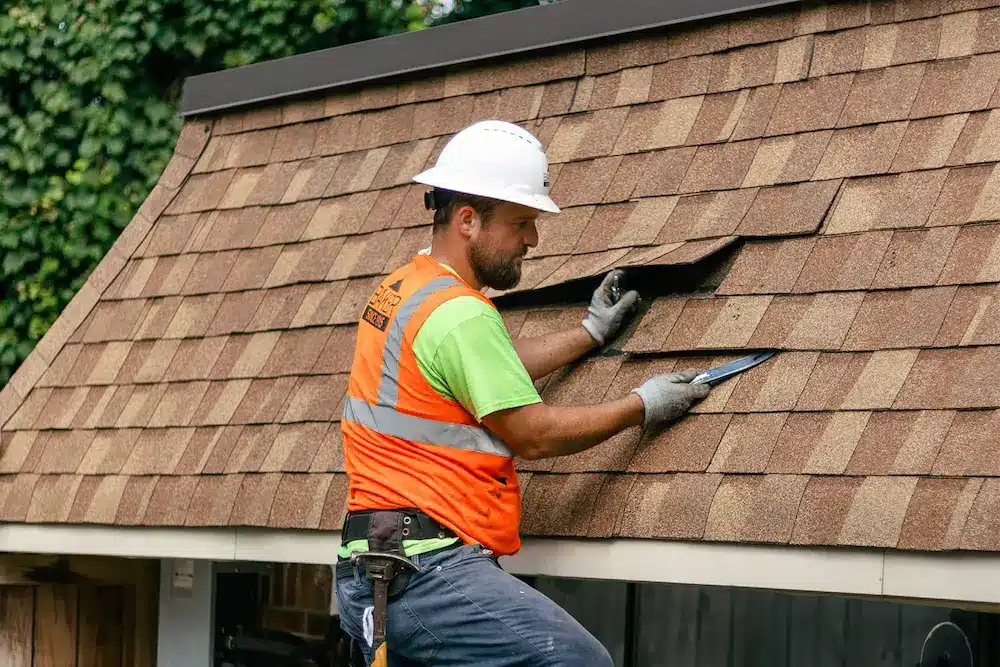


A thorough inspection helps determine whether damage is isolated or part of a larger issue and provides documentation that can support repair planning and insurance claims.
Baker Home Exteriors has been helping Carolina homeowners assess and repair roof damage for more than 111 years. Our experienced teams understand how local weather patterns, from coastal hurricanes to mountain ice storms, affect roofs throughout the region.
Roof Damage and Insurance: What Homeowners Should Know
Insurance coverage depends on your policy terms and the cause of damage. Storm-related damage like wind, hail, or falling trees, is typically covered under most policies. Wear and aging, however, are generally not covered.
Documentation is very important for insurance claims. Photos, inspection reports, and clear timelines help establish what happened and when. A professional inspection provides objective findings without making assumptions about coverage or causation.
For a detailed breakdown of what’s typically covered, read our guide on whether home insurance covers roof damage.
Tips for Working with Insurance
- Report damage promptly, even if you’re not sure you’ll file a claim
- Document everything with photos and written notes
- Get professional inspections before making repair decisions
- Keep all receipts and correspondence
- Don’t sign any documents from contractors before reviewing with your insurer
For more guidance on navigating insurance claims after storms, see our article about post-storm roofing work and insurance claims.
Avoid delaying inspections while waiting to contact your insurance company. Understanding the scope of damage first allows you to make informed decisions about how to proceed.
Preventing Future Roof Damage
While not all damage is preventable, regular maintenance and smart planning reduce risk significantly.
Schedule Annual Inspections
Professional inspections can catch small issues before they become major problems. Spring and fall are ideal times to check for damage from winter weather or summer storms. Many roofing companies offer free or low-cost annual inspections.
Keep Gutters Clean
Clogged gutters cause water to back up under roof edges, leading to leaks and rot. Clean gutters at least twice a year, more often if you have overhanging trees that drop leaves and debris.
Trim Overhanging Branches
Tree limbs hanging over your roof can drop leaves, block sunlight (encouraging moss and algae), and cause impact damage during storms. Keep branches trimmed back at least 6–10 feet from the roof surface.
Ensure Proper Attic Ventilation
Poor ventilation traps heat and moisture in your attic, which accelerates shingle aging and can lead to ice dams in winter. Make sure your attic has adequate intake vents (in soffits) and exhaust vents (at ridge or gables).
Address Small Issues Promptly
Missing a few shingles? Cracked flashing around a vent? Fix small problems before they turn into leaks. Minor repairs are always cheaper than major water damage restoration and structural repairs.
Choose Durable Materials
If you’re replacing your roof, consider impact-resistant shingles in hail-prone areas or metal roofing for maximum longevity and storm resistance. Learn more in our guides to asphalt roof shingles and metal roofing.
Monitor After Major Weather Events
After hurricanes, severe thunderstorms, or heavy snow, do a visual check of your roof from the ground. Look for missing shingles, damaged flashing, or any signs of sagging.
When to Call a Professional
Contact a roofing professional immediately if you notice:
- Active leaks or water entering your home
- Storm damage after high winds or hail
- Missing shingles or exposed underlayment
- Interior water stains on ceilings or walls
- Sagging areas on the roof
- Structural concerns or visible damage to decking
- Repeated issues in the same location
Professional evaluation provides clarity and helps prevent small problems from turning into expensive repairs. Even if damage seems minor, getting an expert assessment gives you peace of mind and a clear plan forward.
Frequently Asked Questions (FAQs) About Roof Damage
It depends on the type and severity. Active leaks, missing shingles exposing underlayment, or storm damage should be addressed within days to prevent water intrusion and further damage. Minor cosmetic issues on otherwise sound roofs can usually wait a few weeks, but it’s always safer to get a professional assessment. Delaying repairs on functional damage almost always leads to more expensive problems down the line.
Is roof damage always visible from the ground?
No. Many leaks and structural issues develop beneath the surface and only show interior symptoms later. Hidden damage in valleys, around flashing, or under shingles may not be visible without a professional inspection. That’s why interior signs like water stains or musty odors should always prompt a roof inspection.
How fast can roof leaks cause damage?
Water damage can begin immediately once moisture enters your home. Insulation absorbs water quickly and loses its effectiveness. Drywall starts deteriorating within 24–48 hours. Mold can begin growing within 48–72 hours in damp conditions. The longer water sits, the more extensive and expensive the repairs become.
Should I tarp my roof myself?
Temporary tarping is best handled by professionals to avoid injury or improper coverage that could cause additional damage. Roofs are dangerous, especially when damaged or wet. If you need emergency tarping, contact a roofing contractor who can do it safely and effectively.
Can damaged shingles be repaired?
Yes, if damage is localized and the roof is otherwise in good condition. Individual shingles or small sections can be replaced to match the existing roof. However, if damage is widespread or the roof is already nearing the end of its lifespan, replacement may be more cost-effective than multiple repairs.
Do I need an inspection after every storm?
Not necessarily after every storm, but after severe storms with high winds (40+ mph), hail, or falling debris, we strongly recommend inspections. Even if you don’t see obvious damage from the ground, hidden issues may have developed that will cause problems later.
How long do roof repairs take?
Many repairs can be completed in a day, depending on severity and type of roof. Simple shingle replacements might take just a few hours, while more complex repairs involving flashing, valleys, or multiple areas could take 1–3 days. Emergency tarping can usually be done within hours of calling.
What happens if roof damage is ignored?
Ignored roof damage almost always leads to more serious and expensive problems. Small leaks spread to cause water damage in insulation, framing, and interior spaces. Mold growth creates health hazards. Structural damage may develop if water weakens roof decking or framing. What starts as a few hundred dollars in repairs can turn into tens of thousands in restoration costs.
Protect Your Home with a Clear Action Plan
Roof damage is easier and less expensive to fix when caught early. Understanding the warning signs, acting quickly, and getting professional guidance helps protect your home from escalating damage and costly repairs.
Whether you’re dealing with storm damage, a sudden leak, or concerns after severe weather, having a clear action plan makes all the difference. Don’t wait until a small problem becomes a major emergency.
Baker Home Exteriors: Quality that Lasts a Lifetime
Baker Home Exteriors has helped homeowners across the Carolinas evaluate and repair roof damage for more than 111 years. Our teams respond quickly to storm damage, emergency leaks, and weather-related issues.
Request a free roof inspection to assess your roof’s condition and get expert recommendations on the best path forward. Or, if you need more time to consider, check out our Google reviews. Either way, we look forward to working with you!
Top 4 Signs of Hail Damage Beyond Your Roof
Read More
Does Home Insurance Cover Roof Damage? What You Need to Know
Read More
5 Common Pests That Cause Roof Damage
Read More
Written by Thomas Noel
Based in Charlotte, North Carolina, Thomas Noel is a writer with more than 10 years of experience writing and editing content that helps homeowners make smart, confident decisions. He previously managed a home design site and has written about everything from eco-friendly home upgrades and smart-home products to heating and cooling solutions like HVAC systems and furnaces. He brings a practical eye and hands-on knowledge to every home improvement story he tells.