How Gutters Protect Your Roof, Siding, and Foundation From Water Damage
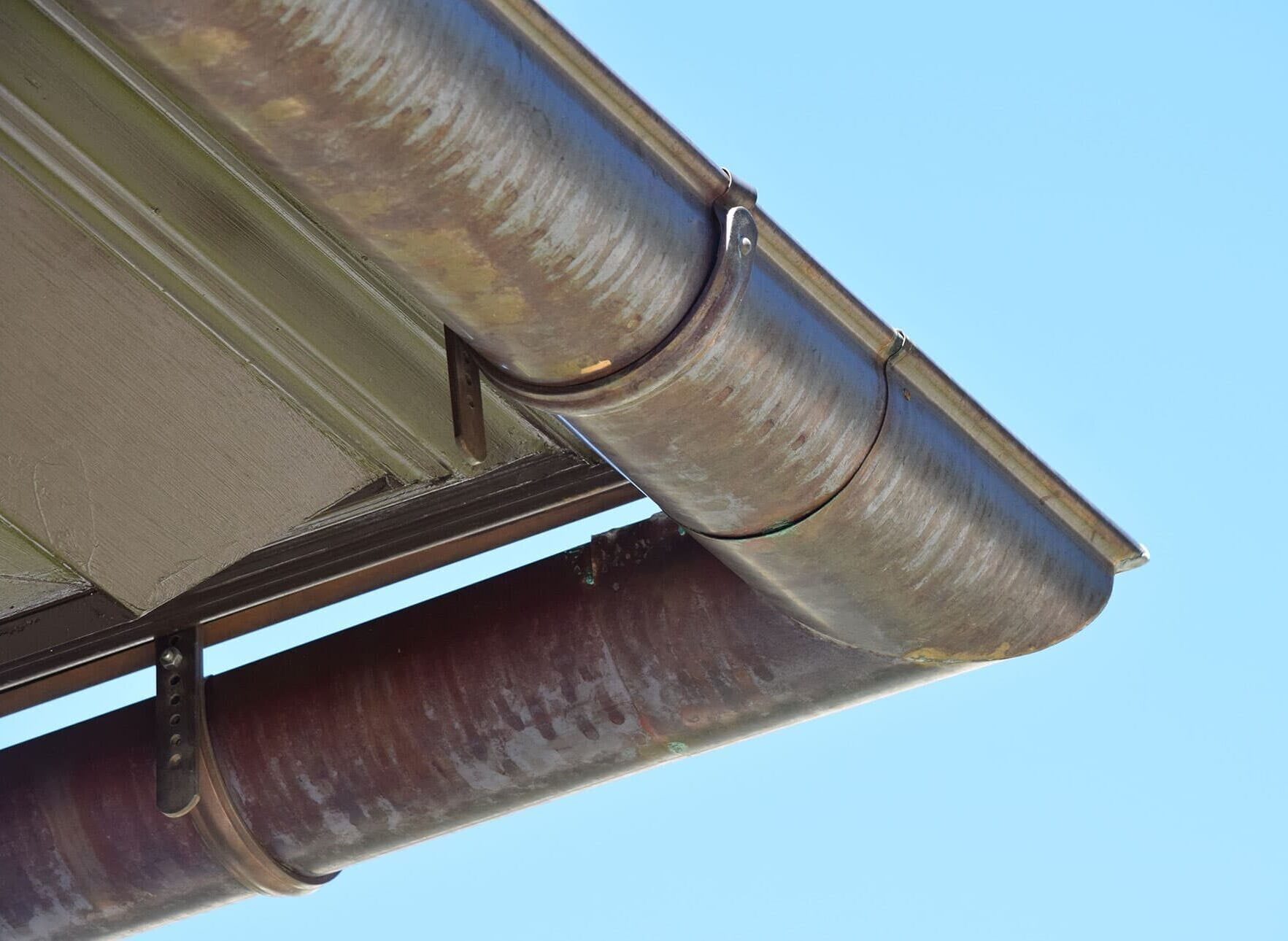
Gutters are easy to overlook, and most homeowners only think about them when something goes wrong. But gutters play one of the most important roles of any exterior feature in protecting your home.
When rainwater isn’t properly collected and directed away, it can damage nearly every part of your exterior. Roof edges rot. Siding absorbs moisture. Foundations crack or shift. Basements leak. Landscaping erodes. What starts as a clogged gutter can turn into thousands of dollars in repairs if ignored.
This guide explains what gutters are designed to do, how they protect your roof, siding, and foundation, and how to recognize when gutter problems are putting your home at risk. Whether you’re maintaining an existing system or considering replacement, understanding how gutters work helps you prevent costly water damage.
Quick Answer
Gutters protect your home by collecting rainwater from the roof and directing it safely away from the siding and foundation. When gutters work properly, they prevent roof edge rot, siding moisture damage, soil erosion, basement leaks, and foundation cracks caused by uncontrolled runoff.
Explore Baker’s Gutter Options for Your Carolina Home
Fast and free estimates.
Related Guides
Why Gutters Matter in the Carolinas
North Carolina and South Carolina experience diverse weather patterns that make functional gutters especially important:
- Coastal areas face hurricane-force winds, tropical storms, and heavy rainfall that can overwhelm undersized or poorly maintained gutter systems
- Piedmont regions see intense summer thunderstorms that dump several inches of rain in short periods
- Mountain areas experience snow, ice dams, and temperature swings that stress gutter systems
- High humidity throughout the region accelerates wood rot when moisture isn’t properly managed
Carolina homes need gutter systems designed for these conditions, properly sized, sloped, and maintained to handle both routine rainfall and severe weather events.
What Gutters Are Designed to Do
Your roof sheds a tremendous amount of water during even a moderate rainstorm. Gutters exist to control that runoff and safely move it away from your home.
A properly functioning gutter system:
- Collects water as it leaves the roof
- Channels it toward downspouts
- Directs it several feet away from the foundation
Without gutters, rainwater pours directly off roof edges, saturating siding, soil, and structural components below. Over time, that uncontrolled water flow causes damage that often isn’t immediately visible.
How Much Water Can Gutters Handle?
The volume of water flowing off your roof during a storm might surprise you. Even a moderate thunderstorm can produce hundreds of gallons of runoff in just an hour. Without gutters, all of that water pours directly off roof edges in concentrated streams, saturating the ground within a few feet of your foundation. Over months and years, this constant water exposure causes:
- Soil erosion around the foundation
- Flooding in basement and crawl space
- Foundation cracks from hydrostatic pressure
- Siding damage from constant moisture exposure
- Landscape washout caused by excessive water flow
Gutters distribute this water through controlled channels and move it safely away from vulnerable areas, preventing thousands of dollars in potential damage.
How Gutters Protect Your Roof
Gutters play a critical role at the roofline, where some of the most vulnerable components of your home are located.
When gutters are working correctly, they prevent water from backing up under shingles and along roof edges. This protects fascia boards, roof decking, and underlayment from prolonged moisture exposure.
Clogged or sagging gutters allow water to pool along the roofline. Over time, that moisture can rot wood components, loosen shingles, and create entry points for leaks.
Ice Dams and Winter Protection
In colder months in the mountain regions of North Carolina, clogged or improperly functioning gutters increase the risk of ice dams. Ice dams form when snow on your roof melts, flows down to cold eaves, and refreezes, creating a barrier that traps water behind it.
This trapped water can seep under shingles and into your home, causing leaks and interior water damage even though your roof appears intact. Proper gutter function and attic ventilation work together to prevent ice dams by maintaining consistent roof temperatures and allowing melted snow to drain properly.
Keeping gutters clear helps extend the life of your roof and reduces the risk of hidden water damage.
How Gutters Protect Your Siding
Overflowing gutters don’t just affect the roof. When water spills over the sides, it runs directly down exterior walls.
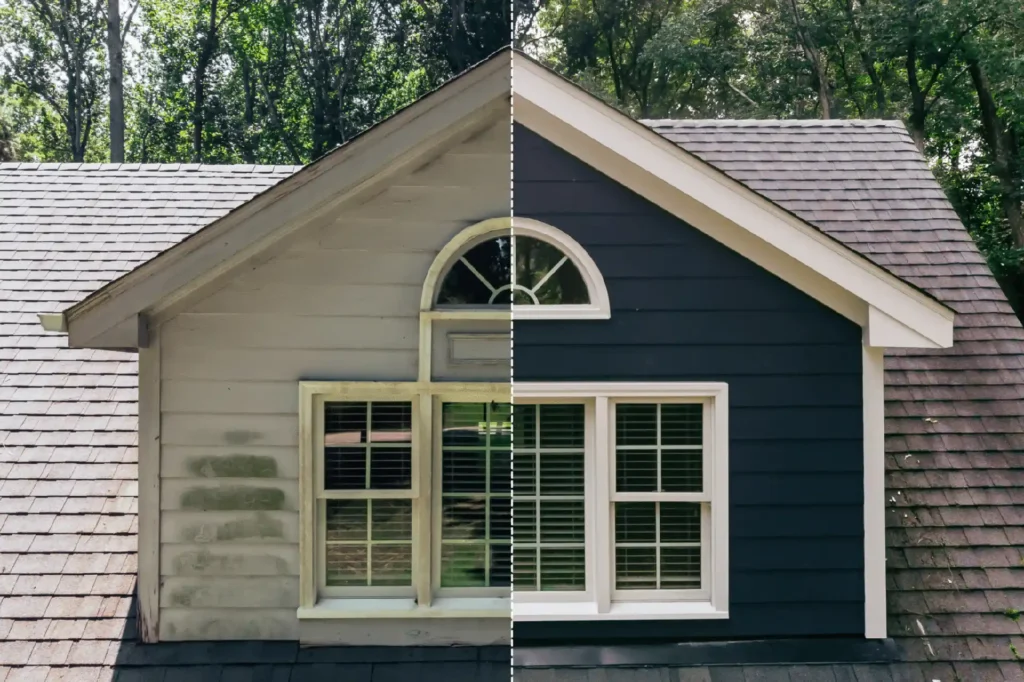
This constant exposure can stain siding, peel paint, and encourage mold or algae growth. Wood siding may warp or rot. Fiber cement and vinyl siding can trap moisture behind panels, leading to structural issues beneath the surface.
By directing water into downspouts instead of letting it cascade over the edge, gutters help keep siding dry and reduce long-term deterioration.
How Gutters Protect Your Foundation
Your foundation is designed to support the weight of your entire home, but it’s vulnerable to water.
When gutters fail to direct water away, soil around the foundation becomes oversaturated. This can cause erosion, wash away support, and increase hydrostatic pressure against foundation walls. Over time, that pressure leads to cracks, settling, and basement leaks.
Properly sized gutters and extended downspouts move water far enough away to protect the foundation and keep crawl spaces and basements dry.
Common Gutter Problems and What They Cause
Gutter issues often develop slowly. Understanding common problems helps you spot trouble early.
- Clogged gutters prevent water from flowing, leading to overflow that damages roof edges, siding, and landscaping. Learn more about how to clean your gutters safely and effectively.
- Sagging gutters pull away from the fascia, disrupting proper slope and allowing water to spill instead of draining.
- Improper slope causes standing water, which accelerates corrosion and increases leak risk.
- Leaking seams or joints allow water to escape before reaching downspouts, damaging the areas directly below.
- Disconnected or short downspouts deposit water too close to the foundation, increasing erosion and flooding risk.
Warning Signs Your Gutters Aren’t Working
You don’t need to climb a ladder to recognize most gutter problems. Common warning signs include:
Water spilling over gutters during rain
This indicates clogs, improper slope, or undersized gutters that can’t handle the volume of water coming off your roof.
Stains or streaks on siding
Dark vertical streaks below the roofline show where water has been overflowing and running down your exterior walls repeatedly.
Peeling paint near roof edges
Moisture trapped behind paint causes it to bubble and peel, indicating water is getting where it shouldn’t.
Pooling water near the foundation
Standing water within 3–5 feet of your home’s foundation means downspouts aren’t directing water far enough away.
Eroded soil or washed-out landscaping
Concentrated water flow creates channels and washes away mulch, soil, and plants near the foundation.
Basement dampness or crawl space moisture
If your gutters aren’t working, water seeps into below-grade spaces, creating mold risks and structural concerns.
Sagging or pulling away from the house
Visible separation between gutters and fascia indicates the weight of water and debris is too much for the current hanger system.
If you notice any of these signs, your gutter system should be inspected.
What Happens If Gutter Problems Are Ignored
Ignoring gutter issues allows water damage to compound over time.
Water damage rarely stays isolated. Once moisture enters your home’s structure, repairs become more complex and expensive.
Downspout Placement and Extensions
Gutters are only as effective as the downspouts that drain them. Proper downspout placement and extensions make the difference between water protection and water damage.
How Many Downspouts Do You Need?
Most homes need one downspout for every 30–40 feet of gutter. Homes with large roof areas, steep pitches, or regions with heavy rainfall may need more frequent downspout placement.
Downspout Extensions Are Critical
Standard downspouts that empty right at your foundation do more harm than good. Water should be directed at least 5-10 feet away from your home’s foundation. Use:
- Downspout extensions or splash blocks
- Underground drainage pipes
- Pop-up emitters that carry water to yards or storm drains
Common Downspout Problems
- Too few downspouts for the roof size
- Clogged downspouts that backup gutters
- Disconnected extensions that dump water at the foundation
- Extensions that direct water toward the home instead of away
Downspout placement should be evaluated as part of any gutter inspection or installation.
Gutter Maintenance Action Plan
Regular maintenance dramatically reduces gutter-related damage and extends the life of your system. Here’s what you need to do across each year to keep your gutters in the best condition possible.
Spring Cleaning (April-May)
- Remove debris left from winter storms
- Check for damage from ice or wind, inspect seams and joints for leaks
- Ensure downspouts drain freely
Fall Cleaning (October-November)
- Clear leaves and debris before winter weather arrives
- Check gutter slope and hangers
- Inspect for rust or corrosion
- Verify downspout extensions are in place
After Severe Storms
Check for visible sagging, detached sections, or debris buildup. Make sure downspouts are securely connected and directing water away from the home.
Monthly Quick Checks (During Rainy Season)
During rain, watch water flow through gutters. Look for overflow, unusual drips, or areas where water isn’t moving. These quick visual checks catch problems before they cause damage.
Homes with Heavy Tree Coverage
Properties surrounded by trees may need cleaning 3–4 times per year, especially after fall leaf drop and spring pollen season.
Routine inspections help catch small problems—like a single loose hanger or minor clog—before they turn into structural repairs costing thousands of dollars.
Seamless Gutters vs. Sectional Gutters
Not all gutter systems are built the same. The main difference between seamless and sectional gutters comes down to how they are constructed and how water flows through them. Seamless gutters are formed from a single continuous piece of material, with joints only at corners and downspouts. Fewer seams mean fewer opportunities for leaks, clogs, and long-term failure.

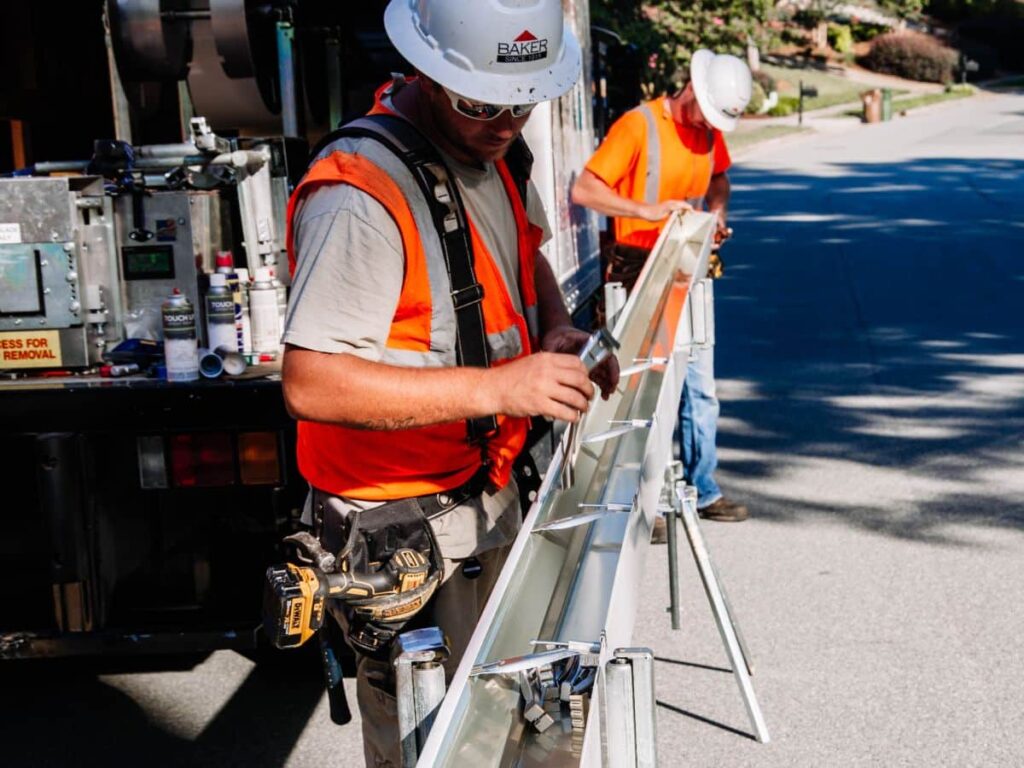
Sectional gutters are made from multiple pre-cut pieces joined together along the length of the run. While they can be installed as a DIY project and may cost less upfront, each seam introduces a potential leak point and increases ongoing maintenance needs.
For most homeowners, seamless gutters offer better performance, a cleaner appearance, and longer lifespan. Sectional gutters, however, are cheaper and can still work when properly installed and maintained, but they typically require more frequent attention to prevent leaks and drainage issues.
Seamless gutters are custom-formed on site to fit your home, reducing leak points and improving performance. For more details on installation, see our guide on how to install seamless gutters.
Compare Gutter Materials
The material you choose affects durability, maintenance, appearance, and cost.
Aluminum is the most common choice for residential gutters. It resists rust, handles Carolina weather well, and comes in many colors. It’s lightweight and affordable while offering good longevity.
Copper develops a distinctive patina over time and can last a century with proper installation. It’s typically reserved for historic homes or high-end installations due to cost. For a detailed cost-benefit analysis, see Copper vs. Aluminum Gutters: Costs and Benefits.
Galvanized Steel is strong and affordable but prone to rust over time, especially in humid climates like the Carolinas. It requires more maintenance than aluminum.
Vinyl gutters are inexpensive and easy to install but can crack in extreme temperatures and don’t hold up as well in areas with severe weather.
Zinc offers similar longevity to copper, but just ike copper, it’s a premium material with a higher price point.
For a complete breakdown of gutter materials and sizing, see our guide to the top 5 best gutter materials for North Carolina homeowners.
Do Gutter Guards Work?
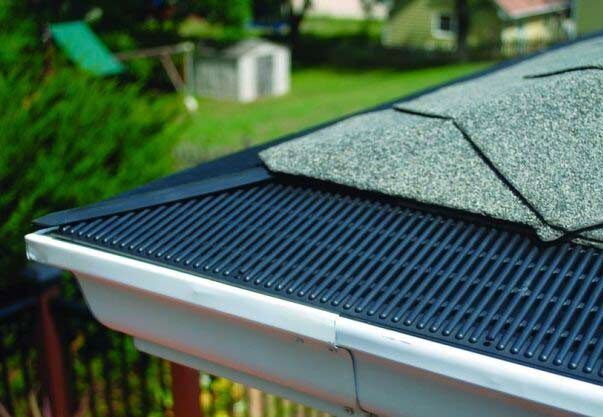
Gutter guards can help reduce debris buildup, but they are not a maintenance-free solution.
High-quality gutter guards allow water to flow while blocking leaves and debris. Conversely, poorly designed or improperly installed guards can actually worsen drainage problems by trapping debris or restricting flow. To understand the benefits and limitations, read why gutter guards matter more than most homeowners realize.
Gutter guards work best when professionally installed and paired with regular inspections to ensure water is flowing as intended.
When to Repair vs. Replace Gutters
Gutters can often be repaired if issues are isolated. Loose hangers, small leaks, or short downspouts are usually fixable.
Replacement may be the better option if gutters are frequently clogging, pulling away from the home, rusting, or leaking along multiple seams. Older sectional systems often benefit from upgrading to seamless gutters for better long-term performance.
A professional inspection helps determine the most cost-effective solution. Our guide Gutter Repairs: When Do I Call a Professional? explains warning signs and when DIY fixes aren’t enough.
How Often You Should Clean Your Gutters
Most homes need gutter cleaning twice per year. Properties with heavy tree coverage may need cleaning three to four times annually.
After major storms, it’s a good idea to visually inspect gutters from the ground to ensure water is flowing properly and nothing has been damaged.
Frequently Asked Questions (FAQs) About Gutters
Yes. Overflowing or clogged gutters allow water to back up under shingles and along roof edges, leading to leaks. Water that pools along the roofline can rot fascia boards, damage underlayment, and eventually penetrate the roof deck. In winter, this standing water can freeze and create ice dams that force water under roofing materials.
Do gutters really protect foundations?
Absolutely. Gutters move water away from the foundation, reducing erosion, preventing basement and crawl space moisture, and avoiding hydrostatic pressure that causes cracks. Foundation repairs are among the most expensive home repairs—often costing $10,000–$30,000 or more. Properly functioning gutters are your first line of defense.
Are gutters required?
While not always required by code, gutters are strongly recommended for protecting your home from water damage. Most building codes require gutters or another form of water management system.
How long do gutters last?
Aluminum gutters typically last 20–30 years with proper maintenance. Copper systems can last 50–100+ years. Lifespan depends on material quality, installation, climate exposure, and maintenance frequency.
Do gutter guards eliminate cleaning?
No. They reduce debris buildup but still require periodic inspection and maintenance. Even the best gutter guards need occasional cleaning and checking to ensure water flows properly.
What size gutters do I need?
Most homes use 5- or 6-inch gutters. Roof size, slope, and rainfall patterns determine the best size. Large roofs or areas with heavy rainfall may need 6-inch gutters or additional downspouts.
How do I know if my gutters are the right size?
If your gutters overflow during moderate rain despite being clean, they may be undersized for your roof area or local rainfall patterns. A roofing professional can calculate the right size based on your roof’s square footage, pitch, and regional weather data.
Protect Your Home by Managing Water Properly
Gutters may not be the most stylish part of your home’s exterior, but they are one of the most important for long-term protection. By controlling where thousands of gallons of water go during every rainstorm, gutters protect your roof, siding, foundation, and interior spaces from damage that can escalate quickly and cost thousands to repair.
Routine maintenance, timely repairs, and properly designed systems help ensure your home stays dry and structurally sound through heavy rains, severe storms, and seasonal weather changes. If you’re seeing signs of overflow, sagging, poor drainage, or water damage, addressing them early prevents far more costly repairs later.
Whether you need gutter cleaning, repairs, or a complete replacement system, professional evaluation ensures you’re getting the right solution for your home.
Baker Home Exteriors: Value that Lasts a Lifetime
Baker Home Exteriors has helped homeowners across the Carolinas protect their homes from water damage for more than 111 years. Our team evaluates gutter systems as part of a whole-home approach to exterior protection—ensuring your gutters, roof, siding, and drainage all work together.
Schedule a gutter inspection if you’re ready to take the first step toward better gutters. Or, if you still need time to consider, check out our Google reviews. Either way, we look forward to working with you!
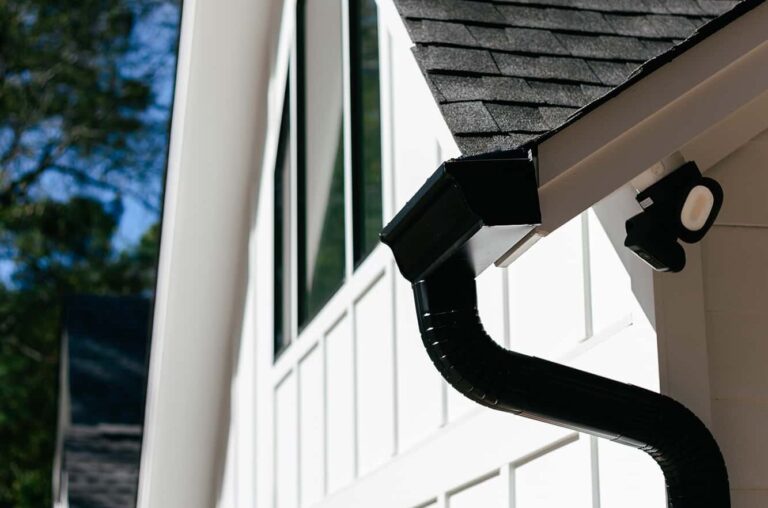
Gutter Repairs: When Do I Call A Professional?
Read More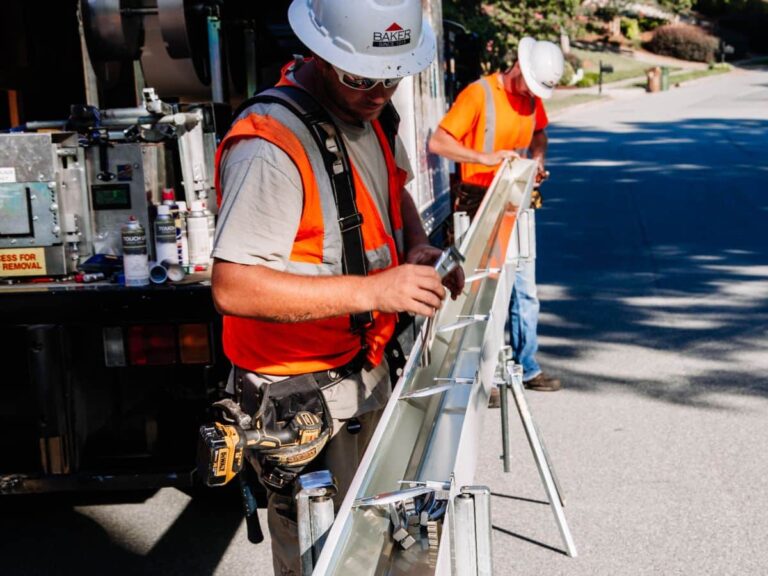
How to Install Seamless Gutters
Read More
Top 5 Best Gutter Materials for Homeowners in North Carolina
Read More
Written by Thomas Noel
Based in Charlotte, North Carolina, Thomas Noel is a writer with more than 10 years of experience writing and editing content that helps homeowners make smart, confident decisions. He previously managed a home design site and has written about everything from eco-friendly home upgrades and smart-home products to heating and cooling solutions like HVAC systems and furnaces. He brings a practical eye and hands-on knowledge to every home improvement story he tells.